Where are electric switches used?
Leave a message

Hey there! As an electric switch supplier, I've seen firsthand how these little devices are used in a ton of different places. Electric switches are super important in our daily lives, and they're everywhere you look. Let's dive into some of the most common places where electric switches are used.
Homes
Our homes are filled with electric switches. You probably don't even think about them most of the time, but they play a crucial role in making our lives comfortable and convenient.
Lighting Control
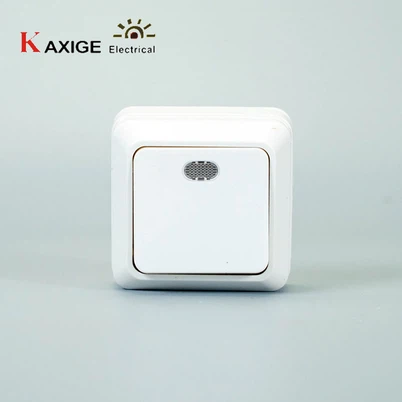
The most obvious use of electric switches in homes is for controlling lights. Whether it's the ceiling lights in your living room, the bedside lamps in your bedroom, or the under - cabinet lights in your kitchen, switches are what turn them on and off. For example, a simple 73B 1 Gang Switch with Lamp Indicator can be installed near the door of a room, allowing you to easily illuminate the space when you enter. It's so convenient that you don't have to fumble around in the dark to find your way.
Appliance Control
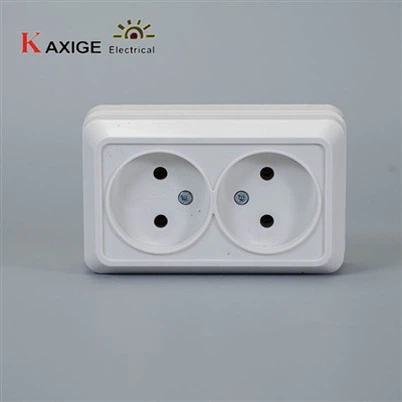
Switches are also used to control various household appliances. In the kitchen, you might have a switch to turn on your microwave, toaster, or coffee maker. In the laundry room, a switch can start and stop your washing machine or dryer. Even in the bathroom, switches control things like exhaust fans and heated towel rails. A 73B 2 Gang Switch can be really useful here, as it allows you to control two different appliances or circuits with a single unit.
Commercial Buildings
Commercial buildings have a whole different set of requirements when it comes to electric switches.
Office Spaces
In offices, switches are used to control the lighting in individual workstations, conference rooms, and common areas. They also control office equipment such as printers, copiers, and computers. For example, a multi - gang switch can be installed at the entrance of a large open - plan office, allowing the receptionist or facilities manager to easily turn on or off all the lights in the area at once. This helps to save energy when the office is not in use.
Retail Stores
Retail stores rely on electric switches to create an inviting shopping environment. Switches are used to control the display lights, which are crucial for highlighting products and attracting customers. They also control the security systems, such as alarms and surveillance cameras. A well - designed switch system can make it easy for store owners to manage the lighting and security of their premises.


Restaurants and Cafes
In the food service industry, switches are used to control kitchen equipment like ovens, stoves, and refrigerators. In the dining area, they control the lighting and sound systems. For example, a dimmer switch can create a cozy atmosphere in the evening, while a normal switch can provide bright lighting during the day for cleaning and preparation.
Industrial Settings
Industrial environments have some of the most demanding requirements for electric switches.
Manufacturing Plants
In manufacturing plants, switches are used to control heavy machinery, conveyor belts, and assembly line equipment. These switches need to be robust and reliable, as any malfunction can lead to production delays and even safety hazards. For example, a safety switch can be used to quickly shut down a machine in case of an emergency.
Power Generation and Distribution
Power plants and substations use electric switches to control the flow of electricity. Circuit breakers, which are a type of switch, are used to protect the electrical system from overloads and short - circuits. These high - voltage switches are designed to handle large amounts of current and need to be extremely reliable.
Outdoor and Public Areas
Electric switches are also used in outdoor and public areas.
Street Lights
Street lights play a vital role in ensuring public safety at night. Electric switches are used to turn them on and off at the appropriate times. Some modern street lights are controlled by smart switches that can adjust the lighting levels based on the time of day and the amount of ambient light.
Parks and Recreation Areas
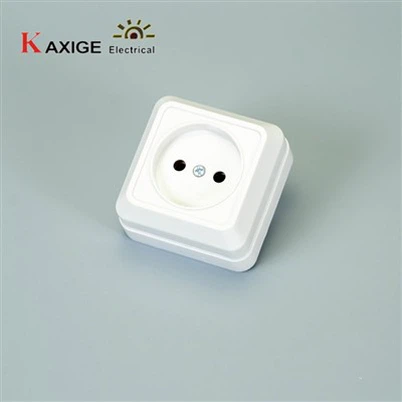
In parks and recreation areas, switches are used to control the lighting in playgrounds, pavilions, and restrooms. They are also used to operate water fountains and other amenities. For example, a 73B 1 Gang Socket 2P can be installed in a pavilion to provide power for outdoor events.
Healthcare Facilities
Hospitals and clinics have specific requirements for electric switches.
Patient Rooms
In patient rooms, switches are used to control the lights, medical equipment, and even the adjustable beds. The switches need to be easy to use, especially for patients who may have limited mobility. They also need to be hygienic, as they are in a healthcare environment where cleanliness is crucial.
Operating Rooms
Operating rooms rely on specialized electric switches to control surgical equipment, lighting, and ventilation systems. These switches need to be extremely precise and reliable, as any error can have serious consequences for the patient.
As you can see, electric switches are used in a wide range of places, from our homes to industrial plants. They are an essential part of our modern lives, and having the right switches is crucial for safety, convenience, and energy efficiency.
If you're in the market for high - quality electric switches for your home, business, or industrial project, I'd love to have a chat with you. We offer a wide range of products, including the ones I've mentioned in this blog, and we can help you find the perfect solution for your needs. Just reach out, and let's start the conversation about your electric switch requirements.
References
- Electrical Installation Handbook, Schneider Electric
- Electrical Engineering for Non - Electrical Engineers, Third Edition, by Keith M. Gooch