What are the common problems with illuminated switches?
Leave a message

As a seasoned supplier in the illuminated switch industry, I've witnessed firsthand the diverse challenges that customers often encounter with these products. Illuminated switches are a popular choice due to their functionality and aesthetic appeal, offering visibility in low-light conditions and enhancing the overall ambiance of a space. However, like any electrical device, they are not without their issues. In this blog post, I'll delve into some of the most common problems associated with illuminated switches, providing insights based on my years of experience in the field.
Flickering Lights
One of the most prevalent issues with illuminated switches is flickering lights. This can be a frustrating problem, not only because it is visually distracting but also because it may indicate an underlying electrical issue. Flickering can occur for several reasons, including loose connections, voltage fluctuations, or a faulty switch mechanism.
Loose connections are a common culprit for flickering lights. Over time, the wires inside the switch can become loose due to vibrations or normal wear and tear. This can cause intermittent contact, resulting in the lights flickering on and off. To address this issue, it's essential to ensure that all connections are tight and secure. If you're not comfortable working with electrical wiring, it's best to consult a qualified electrician.
Voltage fluctuations can also cause flickering lights. These fluctuations can be caused by a variety of factors, such as overloaded circuits, faulty electrical appliances, or problems with the power grid. If you suspect that voltage fluctuations are the cause of the flickering, you may want to consider installing a voltage stabilizer or surge protector. These devices can help regulate the voltage and protect your illuminated switches from damage.
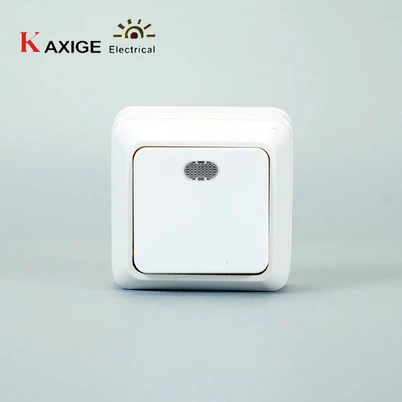
In some cases, the flickering may be due to a faulty switch mechanism. This can occur if the switch is old, worn out, or damaged. If you suspect that the switch is the problem, you may need to replace it. As a supplier, I offer a wide range of high-quality illuminated switches, including the 73B 2 Gang Switch, which is designed to provide reliable performance and long-lasting durability.
Dimming Issues
Another common problem with illuminated switches is dimming issues. Dimming switches are a popular choice for creating a cozy and inviting atmosphere, but they can sometimes be finicky. One of the most common dimming issues is inconsistent dimming. This can occur when the switch does not dim the lights evenly or when the lights flicker or buzz when dimmed.
Inconsistent dimming can be caused by a variety of factors, including incompatible bulbs, a faulty dimmer switch, or a problem with the wiring. It's important to ensure that the bulbs you're using are compatible with the dimmer switch. Some bulbs, such as LED bulbs, require a special type of dimmer switch. If you're using the wrong type of dimmer switch, it can cause inconsistent dimming or other issues.
A faulty dimmer switch can also cause dimming issues. If the switch is old, worn out, or damaged, it may not function properly. In this case, you may need to replace the dimmer switch. As a supplier, I offer a range of high-quality dimmer switches, including the 73B Dimmer Switch, which is designed to provide smooth and consistent dimming.
Finally, a problem with the wiring can also cause dimming issues. If the wiring is loose, damaged, or incorrectly installed, it can affect the performance of the dimmer switch. If you suspect that there is a problem with the wiring, it's best to consult a qualified electrician.
Overheating
Overheating is another common problem with illuminated switches. This can be a serious issue, as it can pose a fire hazard. Overheating can occur for several reasons, including overloading the switch, using the wrong type of bulbs, or a problem with the switch mechanism.
Overloading the switch is a common cause of overheating. If you're using too many high-wattage bulbs or electrical appliances on a single switch, it can cause the switch to overheat. To avoid overloading the switch, it's important to ensure that you're using the correct wattage bulbs and that you're not exceeding the switch's maximum load capacity.
Using the wrong type of bulbs can also cause overheating. Some bulbs, such as incandescent bulbs, generate a lot of heat. If you're using these bulbs with an illuminated switch, it can cause the switch to overheat. It's important to use bulbs that are designed to work with illuminated switches and that generate less heat, such as LED bulbs.
Finally, a problem with the switch mechanism can also cause overheating. If the switch is old, worn out, or damaged, it may not function properly, which can cause it to overheat. If you suspect that there is a problem with the switch mechanism, you may need to replace the switch.
Poor Illumination
Poor illumination is another common problem with illuminated switches. This can be a frustrating issue, especially if you're relying on the switch to provide visibility in low-light conditions. Poor illumination can occur for several reasons, including a faulty bulb, a problem with the switch mechanism, or a problem with the wiring.
A faulty bulb is a common cause of poor illumination. If the bulb is burned out or damaged, it will not provide adequate illumination. To address this issue, simply replace the bulb with a new one. It's important to use bulbs that are compatible with the illuminated switch and that provide the desired level of brightness.


A problem with the switch mechanism can also cause poor illumination. If the switch is not making proper contact or if there is a problem with the electrical circuit, it can affect the performance of the bulb. If you suspect that there is a problem with the switch mechanism, you may need to replace the switch.
Finally, a problem with the wiring can also cause poor illumination. If the wiring is loose, damaged, or incorrectly installed, it can affect the flow of electricity to the bulb. If you suspect that there is a problem with the wiring, it's best to consult a qualified electrician.
Contact Us for Solutions
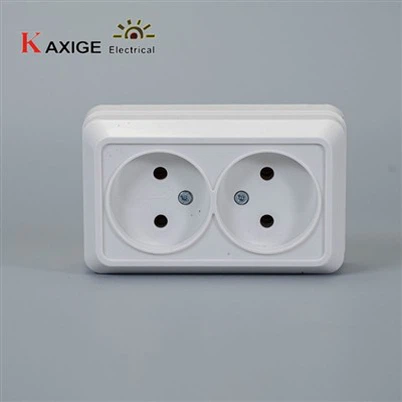
If you're experiencing any of these common problems with illuminated switches, don't hesitate to contact us. As a leading supplier of illuminated switches, we offer a wide range of high-quality products, including the 73B 2 Gang Switch, 73B Dimmer Switch, and 73B 2 Gang Sockets. Our team of experts is available to provide you with professional advice and assistance to help you find the best solution for your needs. Whether you're looking to replace a faulty switch or upgrade your lighting system, we can help. Contact us today to learn more about our products and services and to discuss your specific requirements.
References
- Electrical Safety Foundation International. (n.d.). Electrical Safety Tips. Retrieved from [Website URL]
- Home Depot. (n.d.). How to Troubleshoot a Flickering Light. Retrieved from [Website URL]
- Lowe's. (n.d.). Dimmer Switch Troubleshooting. Retrieved from [Website URL]