What are the installation requirements for an AC dimmer switch?
Leave a message

Hey there! As a supplier of AC dimmer switches, I've been getting a bunch of questions lately about the installation requirements for these nifty devices. So, I thought I'd put together this blog post to break it all down for you.
First off, let's talk about what an AC dimmer switch actually is. Simply put, it's a device that allows you to control the brightness of your lights. Instead of just having a simple on/off switch, you can adjust the light level to create the perfect ambiance in any room. Whether you're looking to set a romantic mood for a dinner date or need some extra light for reading, an AC dimmer switch can do the trick.
Now, onto the installation requirements. The first thing you need to consider is the type of lighting you have. Not all lights are compatible with dimmer switches. Incandescent and halogen lights are the most common types that work well with dimmers. These lights use a simple resistive load, which means they can easily handle the varying levels of voltage that a dimmer switch provides.
On the other hand, LED and fluorescent lights can be a bit trickier. LED lights, in particular, have become increasingly popular in recent years due to their energy efficiency and long lifespan. However, not all LED lights are dimmable. You need to make sure you choose LED lights that are specifically labeled as dimmable. These lights are designed to work with dimmer switches and will provide a smooth and consistent dimming experience.
Fluorescent lights also require special consideration. Traditional fluorescent lights with magnetic ballasts are not compatible with dimmer switches. However, there are now electronic ballasts available that are designed to work with dimmers. These ballasts allow you to adjust the brightness of fluorescent lights just like you would with incandescent or LED lights.
Another important installation requirement is the electrical rating of the dimmer switch. You need to make sure the dimmer switch you choose can handle the load of your lights. The electrical rating is usually measured in watts. To determine the total wattage of your lights, simply add up the wattage of each individual light fixture. Make sure the dimmer switch you select has a wattage rating that is equal to or greater than the total wattage of your lights.
For example, if you have three 60-watt incandescent light bulbs in a room, the total wattage would be 180 watts. In this case, you would need to choose a dimmer switch with a wattage rating of at least 180 watts. It's always a good idea to choose a dimmer switch with a slightly higher wattage rating than you actually need to ensure it can handle any future changes or additions to your lighting setup.
In addition to the wattage rating, you also need to consider the type of wiring in your home. Most dimmer switches are designed to work with standard 120-volt electrical systems. However, if you have a 240-volt system, you'll need to choose a dimmer switch that is specifically designed for use with 240 volts.
When it comes to wiring the dimmer switch, it's important to follow the manufacturer's instructions carefully. If you're not comfortable working with electrical wiring, it's always a good idea to hire a licensed electrician to do the installation for you. Electrical work can be dangerous, and it's better to be safe than sorry.
Here are some general wiring tips to keep in mind:
- Turn off the power: Before you start any electrical work, make sure you turn off the power to the circuit at the breaker box. This will prevent you from getting shocked.
- Identify the wires: In most cases, you'll have three wires: a hot wire (usually black), a neutral wire (usually white), and a ground wire (usually green or bare copper). Make sure you identify each wire correctly before you start connecting them to the dimmer switch.
- Connect the wires: Follow the manufacturer's instructions to connect the wires to the dimmer switch. Usually, the hot wire will connect to the "line" terminal, the neutral wire will connect to the "neutral" terminal, and the ground wire will connect to the "ground" terminal.
- Test the switch: Once you've connected the wires, turn the power back on at the breaker box and test the dimmer switch. Make sure the lights turn on and off properly and that you can adjust the brightness.
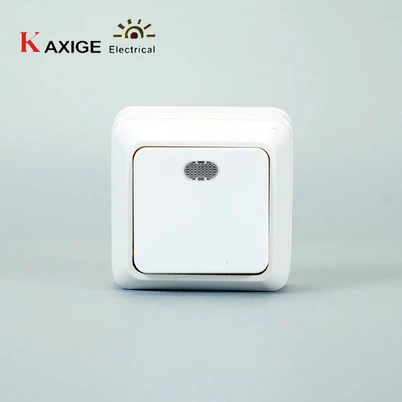
Now, let's talk about some of the products we offer as an AC dimmer switch supplier. We have a wide range of dimmer switches to suit different needs and preferences. For example, our 73B 2 Gang Switch with Lamp Indicator is a great option if you want to control two separate lights or light fixtures from one switch. The lamp indicator makes it easy to see if the switch is on or off, even in the dark.
Our 73B 2 Gang Switch is a more basic option that still provides reliable performance. It's a simple and straightforward way to control two lights or light fixtures.
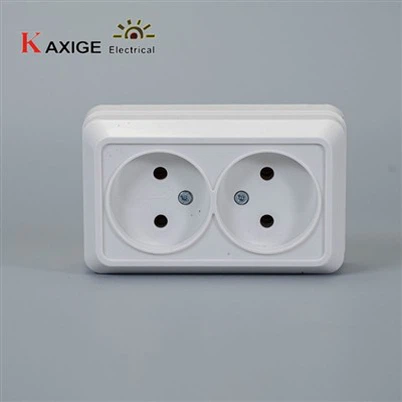
If you're looking for a combination of a switch and a socket, our 73B Switch and Socket Combination is a great choice. This product allows you to control a light or light fixture while also having a convenient socket nearby for plugging in other devices.
In conclusion, installing an AC dimmer switch can be a great way to add some flexibility and ambiance to your lighting. However, it's important to make sure you choose the right dimmer switch for your lights and follow the installation requirements carefully. If you have any questions or need help choosing the right dimmer switch for your needs, don't hesitate to reach out to us. We're here to help you make the most of your lighting setup.
If you're interested in purchasing our AC dimmer switches or any of our other products, please feel free to contact us for a quote and to discuss your specific requirements. We look forward to working with you!


References:
- Electrical Code Handbook
- Manufacturer's instructions for AC dimmer switches