How to test the electrical safety of white plastic sockets?
Leave a message

Hey there! I'm a supplier of white plastic sockets, and I know how crucial electrical safety is. In this blog, I'll share with you how to test the electrical safety of white plastic sockets.


Why Electrical Safety Testing Matters
First off, let's talk about why we even bother with electrical safety testing. White plastic sockets are everywhere in our homes and offices. They're the gateways for electricity to power our devices. If they're not safe, it can lead to all sorts of problems, like electrical shocks, short - circuits, and even fires. So, ensuring their safety is not just a nice - to - have; it's a must.
Visual Inspection
The first step in testing the electrical safety of white plastic sockets is a simple visual inspection. You don't need any fancy tools for this. Just take a good look at the socket.
- Check for Physical Damage: Look for cracks, chips, or any signs of melting on the plastic housing. If you see any of these, it's a red flag. For example, a cracked socket can expose the internal wiring, increasing the risk of electrical shock. You can't use a damaged socket; it needs to be replaced.
- Inspect the Contacts: The metal contacts inside the socket should be clean and free of corrosion. If they're rusty or dirty, it can cause poor electrical connections, which may lead to overheating. You can use a dry cloth to gently clean the contacts if they're just a bit dirty.
Using a Socket Tester
A socket tester is a handy tool that can quickly tell you if a socket is wired correctly and safe to use. It's pretty easy to use.
- How to Use It: Simply plug the socket tester into the socket. Most testers have a set of lights that will indicate the wiring status. For example, if all the lights are on in the correct pattern, it usually means the socket is wired correctly. If some lights are off or on in an incorrect pattern, it could mean there's a problem, like a reversed polarity or a missing ground connection.
- Interpreting the Results: Different socket testers may have different light - indicating systems, but generally, you can refer to the tester's manual for a detailed explanation of what each light combination means. If you're not sure about the results, it's best to consult a professional electrician.
Testing the Grounding
Grounding is a critical part of electrical safety. It helps protect us from electrical shocks by providing a safe path for electricity to flow in case of a fault.
- Using a Multimeter: You can use a multimeter to test the grounding of a socket. Set the multimeter to the resistance mode. Connect one probe to the ground pin of the socket and the other probe to a known good ground, like a metal water pipe (make sure it's properly grounded). A low resistance reading (usually close to zero) indicates a good ground connection.
- Why Grounding is Important: Without proper grounding, if there's a fault in an appliance plugged into the socket, the electricity could flow through a person instead of to the ground, causing a serious electrical shock. That's why it's so important to make sure the grounding of our white plastic sockets is working properly.
Load Testing
Load testing involves plugging in an electrical device and seeing how the socket behaves under a normal load.
- Selecting a Suitable Device: Choose a device with a known power rating. For example, a small lamp or a phone charger. Plug it into the socket and turn it on.
- Monitoring the Socket: While the device is running, feel the socket for any excessive heat. If the socket gets very hot, it could mean there's a problem with the wiring or the contacts. Also, listen for any unusual noises, like buzzing or crackling, which could indicate a loose connection.
Testing Our Products
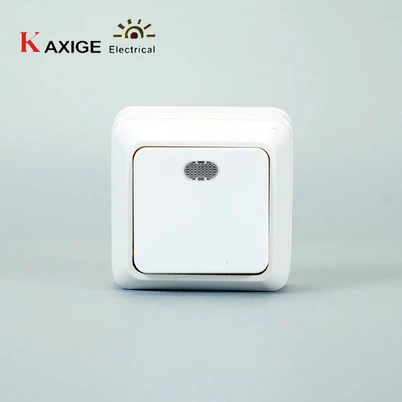
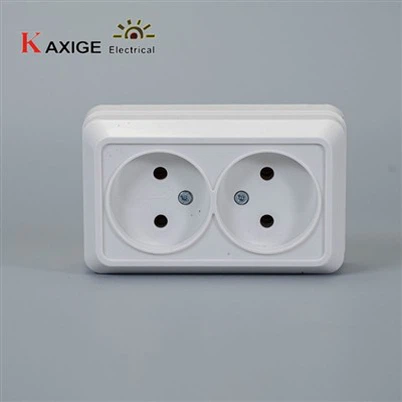
As a white plastic socket supplier, we take electrical safety very seriously. Our products, like the 73B 2 Gang Sockets Grounding, 73B Switch and Socket Combination, and 73B 2 Gang Switch, go through a series of strict electrical safety tests before they reach the market.
- Factory Testing: In our factory, we use advanced testing equipment to simulate different electrical conditions. We test for things like insulation resistance, dielectric strength, and leakage current. These tests ensure that our sockets can withstand normal use and abnormal conditions without posing a safety risk.
- Certifications: Our products also comply with relevant national and international safety standards. We have certifications that prove the quality and safety of our white plastic sockets.
Conclusion
Testing the electrical safety of white plastic sockets is not that difficult, but it's extremely important. By following these simple steps, you can ensure that the sockets in your home or office are safe to use.
If you're in the market for high - quality and safe white plastic sockets, we're here to help. We offer a wide range of products that have passed strict electrical safety tests. Whether you're a homeowner looking to upgrade your sockets or a contractor working on a big project, we can provide you with the right solutions. Don't hesitate to contact us for procurement and further discussions. We're eager to work with you and provide you with the best white plastic sockets on the market.
References
- Electrical Safety Foundation International. (Year). Electrical Safety Guidelines for Homeowners.
- National Electrical Code. (Year). Standards for Electrical Installations.