

IP54 Waterproof Switch Buying Guide: How to Choose the Right Supplier
Leave a message
Introduction: What Buyers Should Consider Before Purchasing a Waterproof Switch
When sourcing electrical switches for outdoor or moisture-prone environments, many buyers focus mainly on price and waterproof ratings. However, selecting the right product requires a deeper evaluation of the application conditions, technical requirements, and supplier capability.
An IP rating provides important information about protection against dust and water, but it does not automatically guarantee that a switch will perform well in every environment. A product installed in a covered outdoor area may require different protection compared with one used in an exposed location, industrial facility, or area with frequent cleaning.
For distributors, contractors, and OEM buyers, choosing the right waterproof switch is not only about finding a suitable product. It is also about working with a reliable supplier that can provide consistent quality, stable production, and long-term support.
This buying guide explains how IP54 protection works, how to determine whether this type of switch matches your application, and what factors should be considered when selecting an IP54 waterproof switch supplier.
What Does IP54 Mean for a Waterproof Switch?
Before purchasing a waterproof electrical switch, buyers should understand what the IP rating represents.
IP stands for Ingress Protection, which is an international classification system used to describe how effectively electrical equipment protects internal components from external elements.
For an IP54-rated switch:
- The first number "5" represents dust protection.
- The second number "4" represents protection against water splashes from different directions.
A protection level of IP54 means the product is designed to reduce the impact of dust and resist water splashes during normal use.
In practical applications, IP54 switches are commonly considered for environments such as:
- Covered outdoor areas
- Garages
- Utility rooms
- Workshops
- Commercial spaces with occasional moisture exposure
However, buyers should understand that IP54 does not mean a switch can withstand all outdoor conditions.
For example, a switch installed under a roof with limited exposure to rain may perform well, while a product installed in an open outdoor area with continuous rainfall or water cleaning may require a higher protection level.
Therefore, the correct purchasing decision depends on matching the protection level with the actual working environment.
Is an IP54 Waterproof Switch Suitable for Your Application?
One of the biggest challenges for buyers is selecting the correct protection level for their project.
Different application environments create different requirements. Before placing an order, buyers should evaluate:
- Whether the installation area is indoor or outdoor
- Whether the switch is protected from direct weather exposure
- The level of humidity and water contact
- Dust conditions
- Frequency of operation
The following table provides a general selection reference:
|
Application Environment |
Selection Consideration |
|
Indoor humid areas such as utility rooms |
IP54 can provide suitable protection |
|
Covered outdoor areas and garages |
IP54 is commonly used |
|
Workshops and storage areas |
Consider dust and moisture conditions |
|
Fully exposed outdoor installations |
Higher protection levels may be required |
|
Areas with frequent water cleaning |
Consider stronger waterproof protection |

For buyers comparing different products, it is important to consider the complete application rather than selecting the highest IP rating without understanding the actual requirements.
Before selecting a product, buyers can review different options through the Waterproof Switches category to compare available waterproof switch solutions for different installation requirements.
Key Factors to Consider Before Buying an IP54 Waterproof Switch
When sourcing waterproof switches in bulk, professional buyers should evaluate more than the product label. A reliable purchase decision requires checking technical specifications, product quality, and supplier capability.
1. Confirm Electrical Specifications Before Ordering
The waterproof function is important, but the switch must also match the electrical requirements of the project.
Important specifications include:
- Rated voltage
- Rated current
- Switch type
- Number of gangs
- Wiring configuration
Different markets and applications may require different electrical standards. A product suitable for residential lighting control may not be the correct choice for industrial equipment or commercial projects.
When contacting an IP54 waterproof switch supplier, buyers should provide detailed application information, including:
- Intended usage environment
- Electrical requirements
- Required quantity
- Target market
- Customization needs
Providing complete information helps suppliers recommend suitable products and reduces communication time during quotation.
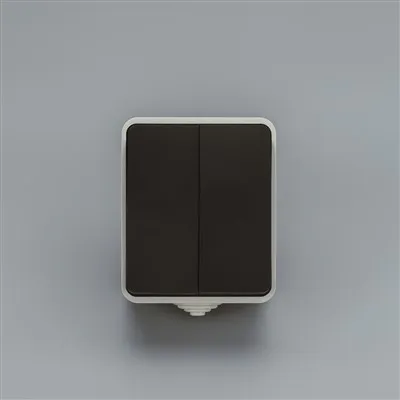
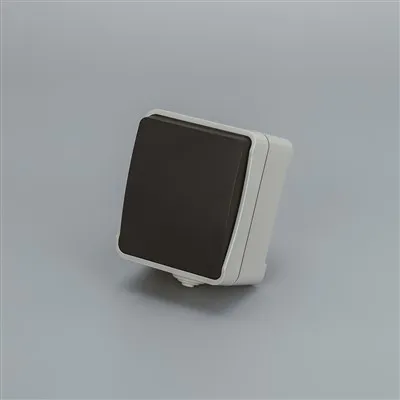
2. Evaluate Housing Material and Waterproof Structure
The durability of a waterproof switch depends heavily on its overall construction.
Important factors include:
Housing material
The external housing should provide:
Mechanical protection
Electrical insulation
Resistance to daily wear
Engineering plastics such as PC and ABS are commonly used in electrical products because they provide good strength and stability.
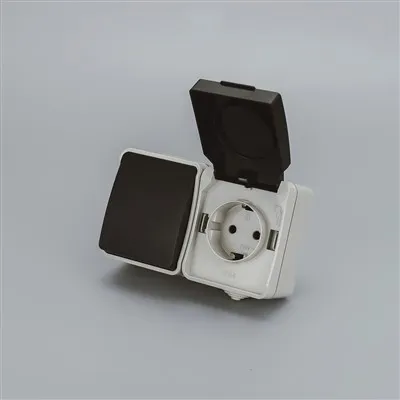
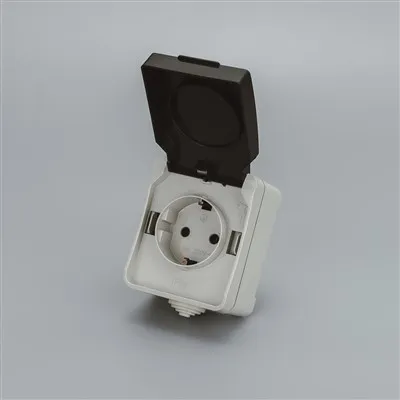
Sealing design
Waterproof performance depends on the complete structure, including:
- Cover design
- Sealing components
- Housing assembly
- Installation method
A good waterproof switch is not simply a normal switch with an added cover. The protection performance comes from the complete product design.
For distributors and contractors, understanding these details helps prevent quality issues after installation.
3. Consider Installation Requirements
Installation conditions should also be considered before selecting a waterproof electrical switch.
Even if a product meets the required protection level, unsuitable installation conditions may affect its actual performance.
Before purchasing, buyers should confirm:
- Installation method
- Mounting space requirements
- Cable entry design
- Compatibility with existing electrical systems
For contractors and project buyers, choosing a switch that is easy to install can help reduce labor costs and prevent delays during project execution.
For distributors, standardized product specifications and reliable documentation also make it easier to introduce products into different markets.
How to Choose a Reliable IP54 Waterproof Switch Supplier?
For B2B buyers, choosing the right supplier is often more important than choosing a single product.
A reliable supplier should not only provide a suitable waterproof switch but also support consistent quality, customization requirements, and long-term supply.
When evaluating an IP54 waterproof switch supplier, buyers should consider the following factors.

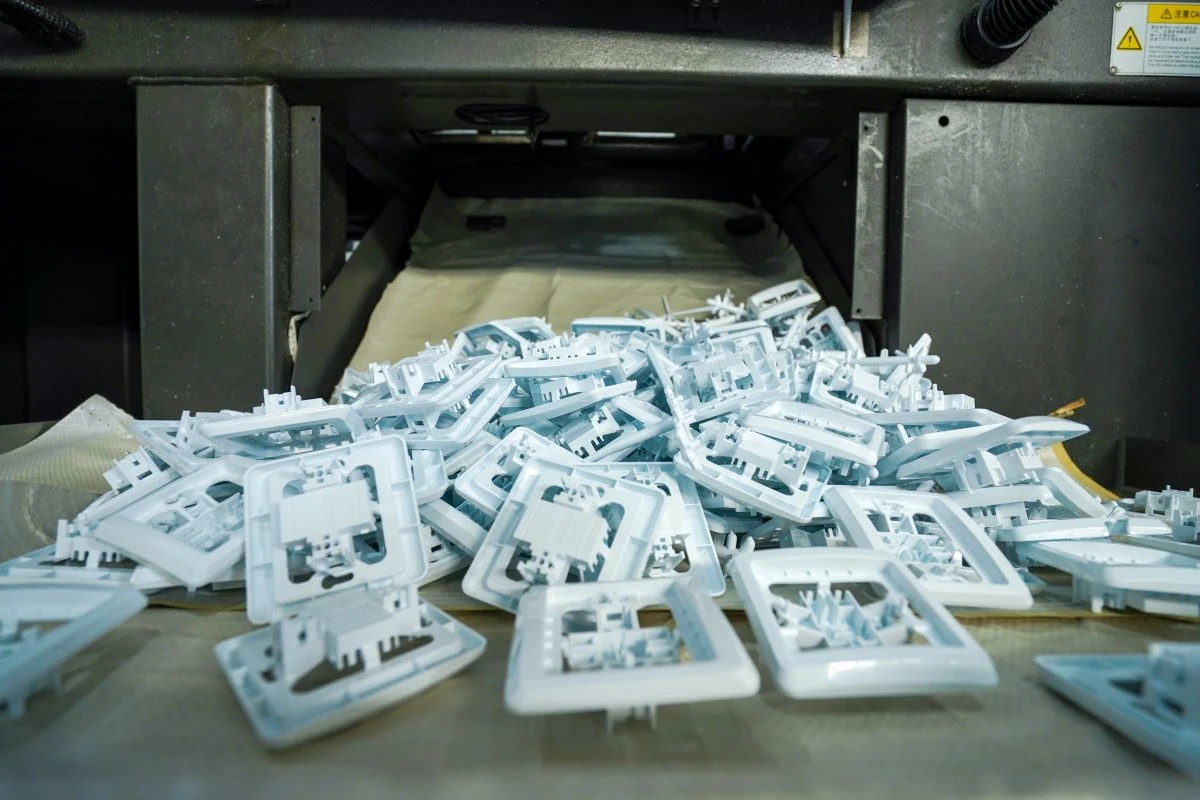
1. Verify Whether the Supplier Is a Manufacturer
The first step is confirming whether the supplier has real manufacturing capability.
Working directly with a manufacturer can provide advantages including:
Better communication about product requirements
More flexible customization options
Improved production control
More stable supply
Before cooperation, buyers should review:
Factory background
Product categories
Production experience
Quality control procedures
Export experience
For importers and distributors, direct cooperation with a manufacturer can reduce communication costs and provide better control over product consistency.
2. Check OEM and Customization Support
Different markets may have different requirements for product appearance, packaging, and specifications.
A suitable waterproof switch manufacturer should be able to support customized requirements such as:
- Product branding
- Packaging solutions
- Product configuration adjustments
- Project-based requirements
Before starting an OEM project, buyers should confirm:
- Minimum order quantity
- Sample approval process
- Production lead time
- Customization limitations
Clear communication during the early stage helps avoid unexpected costs and production delays.
For buyers looking for customized electrical solutions, you can also review the OEM Electrical Switch Manufacturer service.
3. Request Samples Before Bulk Orders
Sample testing is an important step before placing large orders.
Even when product specifications appear suitable, buyers should evaluate samples based on actual application requirements.
Recommended checks include:
Product appearance
Switch operation
Installation convenience
Housing quality
Waterproof structure
Compatibility with project requirements
For distributors, sample evaluation also helps confirm whether the product meets customer expectations before adding it to their product portfolio.
4. Consider Long-Term Supply Stability
For international buyers, consistent quality between different production batches is essential.
A professional supplier should have a clear quality management process covering:
Incoming Material Inspection
Checking raw materials and components before production helps reduce quality issues.
Production Inspection
Monitoring key production steps helps maintain product consistency.
Final Product Inspection
Finished products should be checked before shipment to ensure they meet customer requirements.
A stable quality control process is especially important for buyers who need repeat orders and long-term cooperation.
Common Mistakes When Purchasing Waterproof Switches
Mistake 1: Choosing the Highest IP Rating Without Considering Application
A higher protection rating does not always mean a better purchasing choice.
The correct solution depends on:
- Installation environment
- Water exposure level
- Project requirements
- Cost considerations
Selecting a product with unnecessary protection may increase purchasing costs without providing additional benefits.
Mistake 2: Focusing Only on Product Price
Price is an important factor, but it should not be the only purchasing consideration.
Low-cost products may create additional risks, including:
- Inconsistent quality
- Higher replacement costs
- Customer complaints
- Supply instability
A reliable supplier should provide a balance between cost efficiency, product quality, and long-term support.
Mistake 3: Ignoring Supplier Experience
A supplier's manufacturing experience directly affects product consistency and project support.
Before cooperation, buyers should evaluate whether the supplier can provide:
- Stable production
- Technical communication
- Customization support
- Reliable delivery
Mistake 4: Skipping Sample Verification
Ordering large quantities without testing samples increases purchasing risks.
Sample evaluation allows buyers to confirm:
- Product performance
- Installation suitability
- Market acceptance
This step can prevent larger problems after mass production.
Why Choose KAXIGE as Your Waterproof Switch Supplier?
KAXIGE specializes in manufacturing wall switches, sockets, and plugs for international customers.
For buyers sourcing waterproof switch solutions, cooperation with an experienced manufacturer can provide advantages in:
- Product development support
- OEM requirements
- Manufacturing communication
- Production coordination
- Long-term supply cooperation
Rather than simply purchasing a standard product, working directly with a manufacturer allows buyers to better manage product specifications, customization requirements, and future supply needs.
KAXIGE supports customers who require reliable electrical products for residential, commercial, and project applications.
Conclusion: How to Make a Better Waterproof Switch Purchasing Decision
Choosing the right waterproof switch requires more than checking an IP rating or comparing prices.
A successful purchasing decision should include three key steps:
First, understand the actual installation environment and confirm whether IP54 protection meets the project requirements.
Second, evaluate product specifications, structure, materials, and installation conditions.
Third, select a reliable supplier that can provide consistent quality, customization support, and stable production capability.
For distributors, contractors, and OEM buyers, choosing the right waterproof switch supplier can reduce purchasing risks and improve long-term project reliability.
Before placing a bulk order, define your requirements clearly, request samples when necessary, and communicate with suppliers about technical expectations.
FAQ
1. Is IP54 waterproof enough for outdoor switches?
A:IP54 can be suitable for many protected outdoor applications, including covered patios, garages, and utility areas. However, locations with direct exposure to heavy rain or frequent water cleaning may require higher protection levels.
2. What is the difference between IP54 and IP65 waterproof switches?
A:IP54 protects against dust and water splashes, while IP65 provides stronger protection against dust and water jets.
The correct choice depends on the installation environment rather than simply selecting the higher rating.
3. How do I choose a reliable IP54 waterproof switch supplier?
A:Buyers should evaluate the supplier's manufacturing capability, quality control process, customization support, and production stability.
Requesting samples before bulk orders is also recommended.
4. Can waterproof switches be customized for OEM projects?
A:Yes, many manufacturers support OEM requirements such as branding, packaging, and product configuration adjustments.
Buyers should confirm MOQ, sample approval, and production timelines before starting customization.
5. What information should I provide when requesting a quotation?
A:To receive an accurate quotation, buyers should provide details such as the intended application environment, required protection level, electrical specifications, order quantity, target market, and any customization requirements. Providing complete information helps suppliers recommend the right product solution, confirm production requirements, and avoid delays caused by repeated communication.


