What materials are musical doorbell chimes made of?
Leave a message

Musical doorbell chimes have become a popular addition to homes and businesses, offering a pleasant and distinctive way to announce visitors. As a supplier of musical doorbell chimes, I often get asked about the materials used in their construction. In this blog post, I'll explore the various materials that go into making these charming devices, from the sound - producing components to the outer casing.
Sound - Producing Materials
Metals
One of the most common materials for creating the musical tones in doorbell chimes is metal. Metals like brass and steel are frequently used due to their excellent acoustic properties. Brass, an alloy of copper and zinc, has a warm and rich tone. It is malleable, which allows for the creation of different shapes and sizes of chimes. When struck, brass chimes produce a clear, resonant sound that can carry over a reasonable distance.
Steel, on the other hand, is known for its durability and high - pitched, bright sound. Stainless steel, in particular, is resistant to corrosion, making it suitable for both indoor and outdoor use. The hardness of steel allows it to vibrate quickly and produce sharp, distinct tones. For example, in some high - end musical doorbell chimes, steel rods are precisely tuned to specific frequencies to create a harmonious melody.
Wood
Wood is another material that can be used to generate sound in doorbell chimes. Different types of wood have different acoustic characteristics. Hardwoods like mahogany and oak are often favored because they are dense and can produce a warm, mellow sound. The natural grain of the wood also adds to the aesthetic appeal of the chime.
Wooden chimes are usually designed in a way that the vibration of the wood creates the sound. For instance, a wooden block or bar can be struck, and the resonance within the wood structure produces a unique tone. Wood is also relatively lightweight, which can be an advantage when it comes to installation and portability.
Ceramics
Ceramics are less common but still used in some specialized musical doorbell chimes. They can produce a clear, bell - like sound. The advantage of ceramics is that they can be molded into various shapes, allowing for creative designs. However, ceramics are brittle and need to be handled with care. When properly designed, ceramic chimes can offer a very pure and distinct sound, which is appealing in certain settings.
Electrical Components
Circuit Boards
In modern musical doorbell chimes, circuit boards play a crucial role. These boards are made of a substrate material, usually fiberglass or a composite material. The fiberglass provides a stable base for the electronic components to be mounted on.
The circuit board contains various components such as integrated circuits (ICs), resistors, capacitors, and transistors. The ICs are programmed to generate different musical tones and melodies. They can store a wide range of sounds, from classic doorbell tones to popular songs. Resistors and capacitors are used to control the flow of electricity and the timing of the sound production, while transistors amplify the electrical signals to drive the speaker.
Speakers
Speakers are essential for converting the electrical signals from the circuit board into audible sound. The most common type of speaker used in musical doorbell chimes is the dynamic speaker. It consists of a cone - shaped diaphragm made of materials like paper, plastic, or a composite.
Paper diaphragms are lightweight and can produce a warm, natural sound. Plastic diaphragms are more durable and resistant to moisture and temperature changes. The diaphragm is attached to a voice coil, which is suspended in a magnetic field. When an electrical current passes through the voice coil, it creates a magnetic force that causes the diaphragm to vibrate, producing sound waves.
Outer Casing Materials
Plastic
Plastic is a widely used material for the outer casing of musical doorbell chimes. It is lightweight, inexpensive, and easy to mold into different shapes. There are different types of plastics, such as ABS (acrylonitrile butadiene styrene) and polycarbonate.
ABS plastic is strong and impact - resistant, making it suitable for protecting the internal components of the chime. It can also be easily painted or colored to match different decor styles. Polycarbonate is even more durable and has excellent transparency, which can be used in designs where visibility of the internal components is desired.
Metal
Metal casings, such as aluminum and stainless steel, offer a more robust and high - end look. Aluminum is lightweight and corrosion - resistant, making it a popular choice for outdoor doorbell chimes. It can be anodized to give it a decorative finish and protect it from the elements.
Stainless steel is extremely durable and has a sleek, modern appearance. It is resistant to scratches and dents, ensuring that the chime maintains its aesthetic appeal over time. Metal casings also provide some level of electromagnetic shielding, which can help protect the internal electrical components from interference.
Glass
Glass is a less common but very elegant material for the outer casing of musical doorbell chimes. It can add a touch of sophistication to any setting. Tempered glass is often used because it is stronger and safer than regular glass.
Glass casings can be designed to showcase the internal components, creating a visually interesting effect. However, glass is fragile and requires careful handling during installation and use.
Related Products and Applications
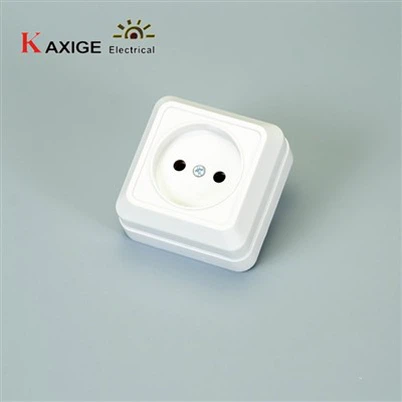
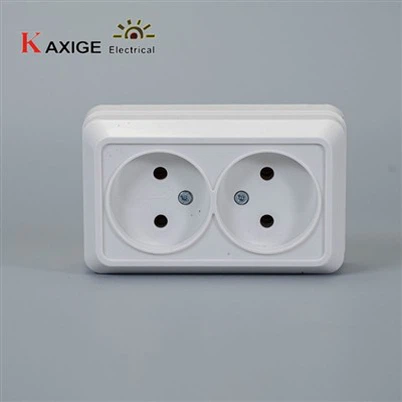
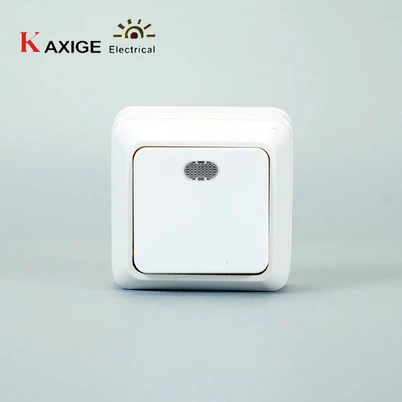
If you are interested in other electrical products, we also have a range of high - quality wall switches and sockets. For example, the 73B 1 Gang Socket 2P is a reliable and well - designed socket that can meet your daily power - supply needs. The 73B 2 Gang Switch with Lamp Indicator not only provides convenient control but also has a lamp indicator for added functionality. And the 73B 2 Gang Sockets are perfect for situations where you need multiple power outlets.
Conclusion
The materials used in musical doorbell chimes are diverse, each contributing to the overall functionality, sound quality, and aesthetic appeal of the product. Whether it's the metals for sound production, the electrical components for generating melodies, or the outer casing materials for protection and style, every part plays an important role.


If you are in the market for high - quality musical doorbell chimes or have any questions about our products, we invite you to contact us for a procurement discussion. We are committed to providing you with the best products and services to meet your needs.
References
- Rossing, Thomas D., et al. "The Science of Sound." Addison - Wesley, 2001.
- Davis, Donald E. "Electronics Fundamentals: Circuits, Devices, and Applications." Pearson, 2015.
- Markowitz, Andrew. "Materials Science for Engineers." McGraw - Hill, 2009.