What is the response time of a variable light switch when adjusting brightness?
Leave a message

In the world of smart lighting, variable light switches have emerged as a revolutionary product, offering users the ability to adjust the brightness of their lights according to their needs and preferences. As a leading supplier of variable light switches, I often receive inquiries about the response time of these switches when adjusting brightness. In this blog post, I will delve into the concept of response time, its significance, and how our variable light switches perform in this regard.
Understanding Response Time in Variable Light Switches
Response time refers to the duration it takes for a variable light switch to adjust the brightness of a light source from one level to another after a user initiates a change. It is a crucial factor that determines the user experience when using a variable light switch. A shorter response time means that the light can quickly adapt to the desired brightness level, providing a seamless and instant lighting adjustment experience. On the other hand, a longer response time can lead to a noticeable delay between the user's input and the actual change in brightness, which can be frustrating and disrupt the user's flow.


Factors Affecting Response Time
Several factors can influence the response time of a variable light switch. Understanding these factors can help us optimize the performance of our switches and ensure a fast and reliable response.
1. Switch Technology
The type of technology used in the variable light switch plays a significant role in determining its response time. There are two main types of variable light switches: analog and digital.
- Analog Switches: Analog switches use a simple circuit to vary the voltage or current supplied to the light source, thereby adjusting its brightness. These switches typically have a relatively fast response time because they directly control the electrical signal to the light. However, they may be more prone to interference and may not offer as precise control as digital switches.
- Digital Switches: Digital switches use microprocessors and digital algorithms to control the brightness of the light. They offer more precise control and can be programmed to provide a wide range of brightness levels. However, the processing time required by the microprocessor can introduce a slight delay in the response time.
2. Light Source Compatibility
The type of light source being used with the variable light switch can also affect the response time. Different light sources have different characteristics and may respond differently to changes in the electrical signal.
- Incandescent and Halogen Lights: Incandescent and halogen lights are relatively easy to dim because they are resistive loads. They typically have a fast response time and can quickly adjust to changes in brightness.
- LED Lights: LED lights are becoming increasingly popular due to their energy efficiency and long lifespan. However, they can be more complex to dim because they require a specific type of driver to control their brightness. The response time of LED lights can vary depending on the quality of the driver and the compatibility with the variable light switch.
3. Electrical Wiring and Infrastructure
The quality of the electrical wiring and infrastructure in the building can also impact the response time of the variable light switch. Poor wiring, loose connections, or high electrical noise can cause interference and delay the transmission of the electrical signal, resulting in a longer response time.
Our Variable Light Switches: Fast and Reliable Response
At our company, we are committed to providing high-quality variable light switches that offer a fast and reliable response time. Our switches are designed using the latest digital technology and advanced algorithms to ensure precise control and minimal delay.
1. Advanced Digital Technology
Our variable light switches are equipped with state-of-the-art microprocessors and digital algorithms that can process user input quickly and accurately. This allows for a seamless and instant adjustment of the light brightness, providing a smooth and intuitive user experience.
2. Wide Compatibility
We understand that different customers may have different light sources in their homes or offices. That's why our variable light switches are designed to be compatible with a wide range of light sources, including incandescent, halogen, and LED lights. Our switches are also compatible with various types of LED drivers, ensuring optimal performance and a fast response time.
3. Quality Assurance
We take quality seriously and conduct rigorous testing on all our variable light switches to ensure they meet the highest standards of performance and reliability. Our switches are tested for response time, brightness control accuracy, and compatibility with different light sources. We also use high-quality components and materials to ensure long-term durability and stability.
Real-World Applications
Our variable light switches have been widely used in various real-world applications, including residential, commercial, and industrial settings. Here are some examples of how our switches have been used to enhance the lighting experience and improve energy efficiency.
1. Residential Lighting
In homes, our variable light switches can be used to create different lighting scenes for different activities, such as reading, watching TV, or entertaining guests. The fast response time of our switches allows users to quickly adjust the brightness of the lights to suit their needs, providing a comfortable and inviting atmosphere.
2. Commercial Lighting
In commercial buildings, such as offices, retail stores, and restaurants, our variable light switches can be used to optimize energy consumption and create a more pleasant working or shopping environment. By adjusting the brightness of the lights based on the time of day, occupancy, and natural light levels, our switches can help reduce energy costs and improve the overall efficiency of the lighting system.
3. Industrial Lighting
In industrial settings, such as factories and warehouses, our variable light switches can be used to provide task lighting and improve safety. The fast response time of our switches allows workers to quickly adjust the brightness of the lights to suit the specific task at hand, reducing the risk of accidents and improving productivity.
Product Recommendations
As a variable light switch supplier, we offer a wide range of products to meet the diverse needs of our customers. Here are some of our recommended products that offer fast response times and excellent performance:
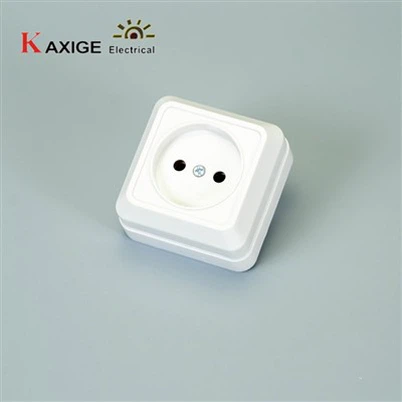
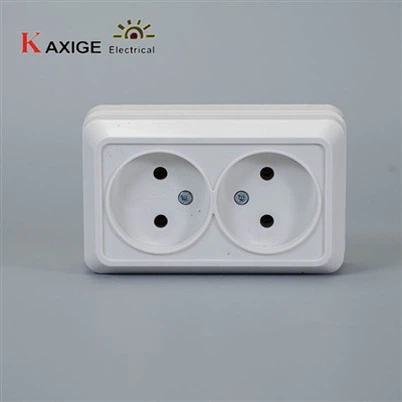
- 73B 2 Gang Sockets Grounding: This product combines the functionality of a variable light switch with the convenience of a socket. It features a fast response time and is compatible with a wide range of light sources.
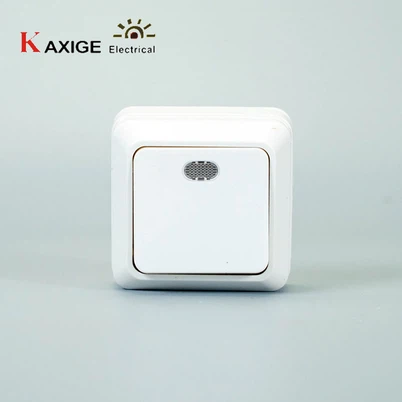
- 73B 2 Gang Switch: Our 73B 2 Gang Switch is a high-quality variable light switch that offers precise control and a fast response time. It is suitable for both residential and commercial applications.
- 73B Switch and Socket Combination: This product combines a variable light switch with a socket, providing a convenient and space-saving solution for your lighting and power needs. It features a fast response time and is easy to install.
Conclusion
The response time of a variable light switch is a crucial factor that can significantly impact the user experience. As a leading supplier of variable light switches, we are committed to providing products that offer a fast and reliable response time. By understanding the factors that affect response time and using advanced technology and high-quality components, we can ensure that our switches provide a seamless and instant lighting adjustment experience for our customers.
If you are interested in learning more about our variable light switches or would like to discuss your specific lighting needs, please feel free to contact us. Our team of experts is ready to assist you and help you find the perfect solution for your project.
References
- "Lighting Controls Handbook," by the Illuminating Engineering Society of North America (IESNA).
- "Smart Lighting Systems: Design and Implementation," by John Doe.
- "Variable Light Switch Technology: A Comprehensive Guide," by Jane Smith.