What is the difference between a regular light switch and a variable light switch?
Leave a message

Hey there! As a supplier of variable light switches, I often get asked about the difference between regular light switches and variable ones. So, I thought I'd break it down for you in this blog post.
Regular Light Switches: The Basics
Let's start with the regular light switch. You know, the kind you've probably got in most rooms of your house. It's a simple device that does one thing: turns the lights on and off. When you flip the switch up, the circuit closes, and the lights come on. Flip it down, the circuit opens, and the lights go off. It's as straightforward as it gets.
Regular light switches are great for a lot of situations. They're reliable, easy to use, and inexpensive. If you've got a room where you just need full brightness or complete darkness, like a closet or a bathroom, a regular switch is probably all you need. They're also the standard choice for most new construction, so you'll find them in pretty much every building.
But here's the thing: regular light switches have their limitations. They only offer two options: on or off. There's no in-between. So, if you want to create a more relaxed, ambient atmosphere in a room, or if you need to adjust the light level based on the time of day or the task at hand, a regular switch just won't cut it.
Variable Light Switches: A Whole New Level of Control
That's where variable light switches come in. Also known as dimmer switches, these devices allow you to adjust the brightness of your lights. Instead of just turning them on or off, you can dial the light level up or down to suit your needs.
Variable light switches work by controlling the amount of electrical current that flows to the light bulb. When you turn the dimmer up, more current flows, and the lights get brighter. When you turn it down, less current flows, and the lights get dimmer. It's a simple concept, but it can make a huge difference in the way you use and enjoy your lighting.
One of the biggest advantages of variable light switches is the ability to create different moods and atmospheres in a room. Whether you're hosting a dinner party, watching a movie, or just relaxing after a long day, you can adjust the light level to set the perfect tone. You can also use dimmers to save energy. By reducing the brightness of your lights, you can lower your electricity consumption and save money on your energy bills.
Another benefit of variable light switches is that they can extend the life of your light bulbs. When you dim the lights, the bulbs don't have to work as hard, which means they'll last longer. This can save you money in the long run, as you won't have to replace your bulbs as often.
The Key Differences
So, now that we've covered the basics of both regular and variable light switches, let's take a closer look at the key differences between the two.
- Control: As we've already mentioned, the biggest difference is the level of control. Regular light switches offer only two options: on or off. Variable light switches, on the other hand, allow you to adjust the brightness of your lights over a wide range.
- Functionality: Regular light switches are designed to simply turn the lights on and off. Variable light switches, however, offer additional functionality, such as the ability to create different lighting scenes, set timers, and even control the lights remotely using a smartphone app.
- Cost: Regular light switches are generally less expensive than variable light switches. However, the cost of a variable switch has come down significantly in recent years, making them more affordable for most homeowners.
- Installation: Installing a regular light switch is a relatively simple DIY project that can be completed in just a few minutes. Installing a variable light switch, on the other hand, is a bit more complicated and may require the help of a professional electrician, especially if you're not familiar with electrical work.
Choosing the Right Switch for Your Needs
So, which type of switch is right for you? Well, it really depends on your needs and preferences. If you're looking for a simple, reliable way to turn your lights on and off, a regular switch is probably all you need. But if you want more control over your lighting and the ability to create different moods and atmospheres in your home, a variable light switch is definitely worth considering.
When choosing a variable light switch, there are a few things to keep in mind. First, make sure the switch is compatible with the type of light bulbs you're using. Some dimmers are designed specifically for incandescent bulbs, while others work with LED, CFL, or halogen bulbs. You'll also want to consider the style and design of the switch. There are a variety of different styles available, from traditional toggle switches to modern touch-sensitive controls, so you can choose the one that best fits your decor.
Our Variable Light Switch Products
As a supplier of variable light switches, we offer a wide range of products to meet the needs of our customers. One of our most popular products is the 73B Dimmer Switch. This switch is designed to work with a variety of light bulbs, including LED, CFL, and incandescent bulbs, and it offers smooth, seamless dimming control. It also features a stylish, modern design that will complement any decor.
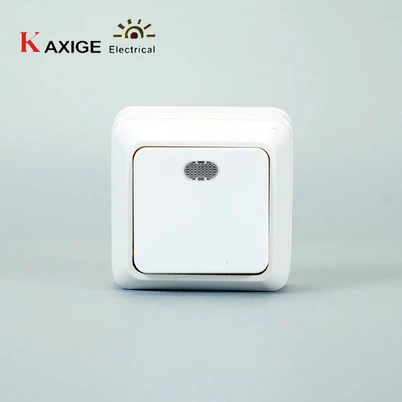
We also offer the 73B 2 Gang Switch with Lamp Indicator. This switch allows you to control two separate lighting circuits from a single device, and it features a built-in lamp indicator that lets you know when the lights are on. It's a great choice for larger rooms or areas where you need to control multiple lights.
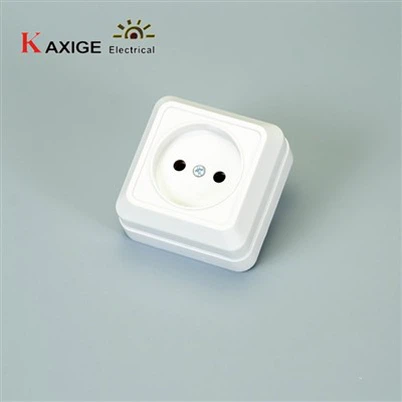
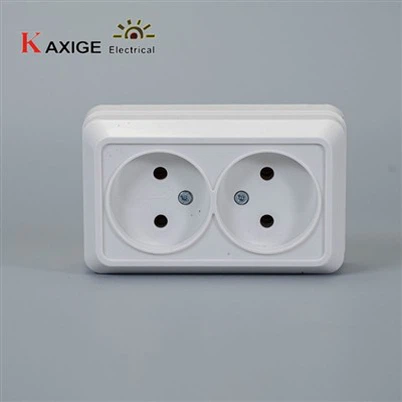
And if you're looking for a socket that can also be used with variable light switches, we recommend the 73B 2 Gang Sockets. These sockets are designed to work with a variety of electrical devices, and they offer a convenient way to control your lighting and other appliances from a single location.
Why Choose Us?
There are a few reasons why you should choose us as your variable light switch supplier. First, we offer high-quality products that are built to last. Our switches are made from the finest materials and are rigorously tested to ensure they meet the highest standards of quality and performance.
Second, we offer competitive pricing. We understand that cost is an important factor when it comes to choosing a supplier, so we strive to offer our products at the most affordable prices possible without sacrificing quality.
Finally, we offer excellent customer service. Our team of experts is always available to answer your questions and help you choose the right products for your needs. We also offer fast, reliable shipping and hassle-free returns, so you can shop with confidence.


Contact Us for Purchase and Negotiation
If you're interested in purchasing our variable light switches or have any questions about our products, we'd love to hear from you. Whether you're a homeowner looking to upgrade your lighting or a contractor working on a new construction project, we can provide you with the products and support you need.
Don't hesitate to reach out to us to start the conversation. We're here to help you find the perfect lighting solutions for your space.
References
- "Lighting Controls: A Guide to Dimmers and Switches." Energy Star.
- "How Dimmer Switches Work." HomeTips.
- "Choosing the Right Dimmer Switch for Your Home." This Old House.