What is the difference between a regular double socket and a universal double socket?
Leave a message

What is the difference between a regular double socket and a universal double socket?
In the world of electrical fittings, the choice between a regular double socket and a universal double socket can significantly impact the functionality and convenience of your electrical setup. As a supplier of universal double sockets, I've witnessed firsthand the diverse needs of customers and the unique advantages that universal double sockets offer. In this blog post, I'll delve into the key differences between these two types of sockets, highlighting the features that set universal double sockets apart.
Design and Compatibility
The most obvious difference between a regular double socket and a universal double socket lies in their design and compatibility. A regular double socket is typically designed to accommodate specific plug types that are standard in a particular region. For example, in the United Kingdom, regular double sockets are designed to fit the BS 1363 standard plugs, while in the United States, they are designed for NEMA 5-15 plugs. This means that if you have electrical appliances with plugs from different regions, you may need to use adapters to use them with a regular double socket.
On the other hand, a universal double socket is designed to accommodate a wide range of plug types from different countries. It usually features multiple socket configurations, such as flat pins, round pins, and different pin arrangements, allowing you to plug in appliances from various regions without the need for adapters. This makes universal double sockets ideal for international travelers, multi-national households, or businesses that deal with electrical equipment from different parts of the world.
Safety Features
Safety is a crucial consideration when it comes to electrical sockets. Regular double sockets typically come with basic safety features, such as shutters to prevent accidental contact with live pins and grounding terminals to protect against electrical shocks. However, universal double sockets often offer additional safety features to ensure the safe use of electrical appliances.
For example, many universal double sockets are equipped with surge protection, which helps to protect your appliances from damage caused by power surges. They may also have built-in overcurrent protection, which automatically cuts off the power supply if the current exceeds a safe level. Additionally, some universal double sockets feature childproof shutters that require a certain amount of pressure to open, reducing the risk of children inserting foreign objects into the sockets.
Versatility and Convenience
Another significant difference between regular double sockets and universal double sockets is their versatility and convenience. Regular double sockets are designed for a specific purpose and are usually installed in a fixed location. They are suitable for everyday use with appliances that are commonly used in a particular region.
Universal double sockets, on the other hand, offer greater versatility and convenience. They can be used with a wide range of electrical appliances from different countries, making them ideal for use in homes, offices, hotels, and other settings where there is a need to accommodate international visitors or use electrical equipment from different regions. Additionally, universal double sockets can be easily installed in existing electrical systems, providing a convenient solution for upgrading your electrical setup without the need for extensive rewiring.
Examples of Universal Double Sockets
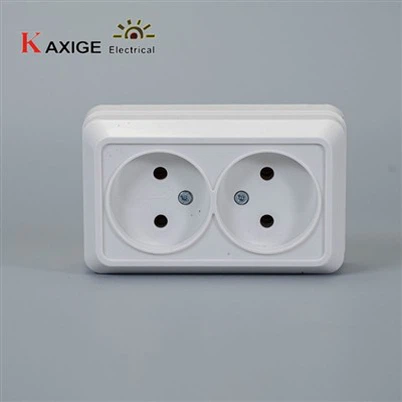
As a supplier of universal double sockets, I offer a range of high-quality products that are designed to meet the diverse needs of my customers. One of our popular products is the 73B 2 Gang Sockets, which features a universal design that can accommodate a wide range of plug types from different countries. This socket is suitable for use in homes, offices, and other settings where there is a need to accommodate international visitors or use electrical equipment from different regions.


Another product that I recommend is the 73B Dimmer Switch, which allows you to control the brightness of your lights. This switch is compatible with a variety of light sources, including incandescent, halogen, and LED lights, and can be easily installed in existing electrical systems.
In addition to these products, I also offer the 73B 2 Gang Sockets Grounding, which provides an additional layer of safety by ensuring that your electrical appliances are properly grounded. This socket is suitable for use in areas where there is a high risk of electrical shocks, such as bathrooms, kitchens, and outdoor areas.
Conclusion
In conclusion, the choice between a regular double socket and a universal double socket depends on your specific needs and requirements. If you primarily use electrical appliances that are standard in a particular region, a regular double socket may be sufficient for your needs. However, if you have electrical appliances with plugs from different regions or if you need to accommodate international visitors, a universal double socket is a more versatile and convenient option.
As a supplier of universal double sockets, I am committed to providing high-quality products that offer superior performance, safety, and convenience. If you are interested in learning more about our products or if you have any questions or concerns, please feel free to contact me. I would be happy to assist you in finding the right universal double socket for your needs.
References
- Electrical Safety Foundation International. (n.d.). Electrical Safety Tips. Retrieved from https://www.esfi.org/
- International Electrotechnical Commission. (n.d.). Standards for Electrical Equipment. Retrieved from https://www.iec.ch/