What causes an electric switch to fail?
Leave a message

Yo, fellow electric enthusiasts! I'm an electric switch supplier, and I've seen my fair share of switches biting the dust. So, I thought I'd spill the beans on what causes an electric switch to fail. This ain't no boring technical jargon session; I'll break it down in plain English so you can understand what's going on.
1. Wear and Tear
One of the most common reasons for switch failure is good old wear and tear. Every time you flip a switch, the contacts inside it come together and break apart. Over time, this repeated action can cause the contacts to wear out. The constant friction can lead to pitting on the contact surfaces. When the contacts don't meet perfectly flat anymore, it can cause arcing. Arcing is basically a little electric spark that jumps between the contacts. This arcing not only further damages the contacts but can also generate heat.
Think about those switches in your home that you use a million times a day, like the one by your bedroom door. The constant on-and-off action takes a toll on it. Eventually, the contacts might get so worn that they can't maintain a proper electrical connection. You might start noticing that the light flickers when you turn it on, or it doesn't turn on at all. That's a classic sign of worn-out contacts due to wear and tear.
2. Overloading
Switches are designed to handle a certain amount of electrical current. If you try to make them handle more than they can bear, that's a recipe for disaster. Overloading can happen when you connect too many high-power appliances to a single circuit controlled by a switch.
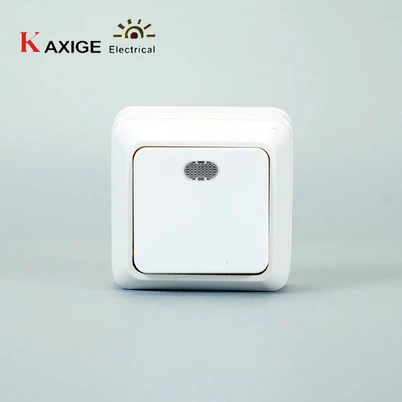
Let's say you've got a 73B 1 Gang Switch controlling a few outlets in your living room. You plug in a space heater, a microwave, and a hair dryer all at once. These appliances draw a lot of power, and if the combined current exceeds the switch's rating, it can cause the switch to overheat.
The heat generated by the overload can melt the internal components of the switch. The plastic housing might start to warp, and the contacts can fuse together. Once the contacts are fused, it's game over for the switch, and you'll need to replace it.
3. Environmental Factors
The environment where a switch is installed can have a huge impact on its lifespan. Moisture, for example, is a switch's worst enemy. If a switch is installed in a damp area like a bathroom or a basement, the moisture can seep into the switch. Water is a good conductor of electricity, and when it gets inside the switch, it can cause short circuits.


Corrosion is another issue caused by environmental factors. In areas with high humidity or near saltwater, the metal parts of the switch can corrode. The corrosion can form a layer on the contacts, which increases the resistance. This increased resistance leads to more heat generation and can eventually cause the switch to fail.
Dust and dirt can also be problematic. When dust accumulates inside the switch, it can insulate the contacts and prevent a proper electrical connection. This can result in intermittent operation or complete failure of the switch.
4. Poor Installation
You know what they say, a job worth doing is worth doing right. And that goes for installing electric switches too. If a switch is installed incorrectly, it's bound to cause problems down the line.
One common installation mistake is improper wiring. If the wires are not connected securely, they can come loose over time. Loose wires can cause intermittent electrical connections, which can lead to arcing and overheating.
Another issue is incorrect sizing. Using a switch that's not rated for the voltage or current of the circuit it's installed in is a big no-no. It's like trying to fit a square peg in a round hole. The switch won't be able to handle the electrical load properly, and it will likely fail prematurely.
5. Quality of the Switch
Not all switches are created equal. The quality of the materials used in a switch plays a significant role in its durability. Cheaper switches might use lower-quality contacts made from subpar materials. These contacts are more likely to wear out quickly and cause problems.
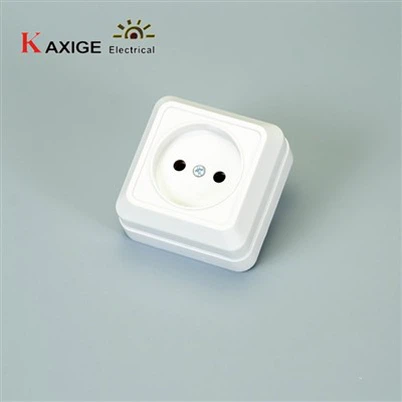
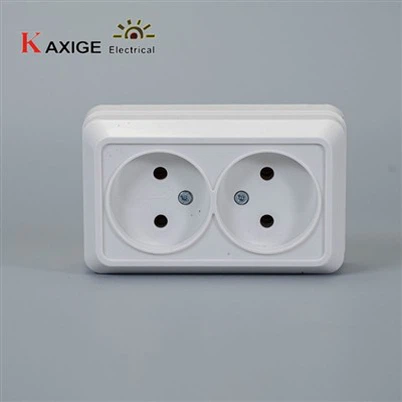
The construction of the switch also matters. A well-built switch with a sturdy housing and proper insulation is less likely to fail compared to a flimsy one. At our company, we take pride in offering high-quality switches like the 73B 1 Gang Socket Grounding and 73B 1 Gang Switch with Lamp Indicator. We use top-notch materials and rigorous quality control processes to ensure that our switches can stand the test of time.
6. Electrical Surges
Electrical surges are sudden spikes in voltage that can occur for various reasons. Lightning strikes are a well-known cause of electrical surges. When lightning hits a power line, it can send a massive surge of electricity through the electrical system.
Power outages and brownouts can also cause surges when the power is restored. These surges can be strong enough to damage the internal components of a switch. The sensitive electronics inside the switch can get fried, leaving it inoperable.
How to Prevent Switch Failure
Now that you know what causes switch failure, let's talk about how to prevent it. First and foremost, choose high-quality switches from a reputable supplier. As I mentioned earlier, our switches are built to last.
Proper installation is key. Make sure to hire a qualified electrician to install your switches. They'll know how to wire them correctly and ensure that they're the right size for the circuit.
Avoid overloading your circuits. Be mindful of how many appliances you're plugging into a single switch. If you need to use multiple high-power appliances, consider using a dedicated circuit.
Keep the environment around your switches clean and dry. If you're installing switches in a damp area, use moisture-resistant switches.
And finally, consider installing surge protectors. These devices can help absorb electrical surges and protect your switches and other electrical equipment.
Time to Talk Business
If you're in the market for reliable electric switches, we've got you covered. Our range of products, including the 73B 1 Gang Socket Grounding, 73B 1 Gang Switch with Lamp Indicator, and 73B 1 Gang Switch, are designed to meet your electrical needs. Whether you're a homeowner, an electrician, or a contractor, we're here to provide you with the best switches at competitive prices.
Don't hesitate to reach out to us for a quote or to discuss your specific requirements. We're eager to help you find the perfect switches for your projects.
References
- “Electrical Wiring Handbook” by Rex Miller
- “Understanding Basic Electricity” by U.S. Navy Department