What are the signs of a short - circuit in an old socket?
Leave a message

As a long - standing supplier of old switches and sockets, I've witnessed firsthand the issues that can arise with aging electrical components. One of the most concerning problems is a short - circuit in an old socket. A short - circuit can lead to various hazards, including electrical fires, damage to appliances, and even personal injury. In this blog, I'll share the signs that indicate a short - circuit in an old socket.
1. Frequent Tripping of Circuit Breakers
One of the most obvious signs of a short - circuit in an old socket is the frequent tripping of circuit breakers. Circuit breakers are designed to protect your electrical system from overloads and short - circuits. When a short - circuit occurs, an excessive amount of current flows through the circuit. This sudden surge in current causes the circuit breaker to trip, cutting off the power to the affected circuit.
If you notice that a particular circuit breaker trips repeatedly, especially when you plug something into a specific socket, it could be a sign of a short - circuit. For example, if you plug in a lamp into an old socket and immediately the breaker trips, there's a high probability that there's a short - circuit in that socket. It's important not to simply reset the breaker without investigating the cause, as this can be dangerous.
2. Burning Smell
A burning smell coming from an old socket is a serious warning sign of a short - circuit. When a short - circuit occurs, the electrical current flows through an unintended path, often causing the wires to overheat. This overheating can lead to the insulation on the wires melting, which produces a distinct burning smell.
The smell might be faint at first, but it can become stronger over time. If you detect a burning smell near an old socket, you should immediately unplug any appliances connected to it and turn off the power to that circuit at the breaker box. Continuing to use the socket with a burning smell can pose a significant fire risk.
3. Sparks or Arcing
Sparks or arcing when you plug in or unplug an appliance from an old socket are clear indicators of a short - circuit. Arcing occurs when the electrical current jumps across a gap in the circuit, creating a visible spark. This can happen due to loose connections, damaged wires, or worn - out contacts in the socket.
For instance, if you see a small spark every time you insert a plug into an old socket, it's not normal. A healthy socket should have a smooth connection without any visible sparks. If you notice arcing, it's crucial to stop using the socket right away and have it inspected by a qualified electrician.
4. Flickering Lights
Flickering lights can also be a sign of a short - circuit in an old socket. When there's a short - circuit, the electrical current in the circuit becomes unstable. This instability can cause the voltage supplied to the lights to fluctuate, resulting in flickering.
If you have a lamp connected to an old socket and the light flickers intermittently, it could be due to a short - circuit in the socket. Flickering lights not only indicate a potential electrical problem but can also be a nuisance. It's advisable to check the socket and the wiring to ensure safety.
5. Warm or Hot Sockets
An old socket that feels warm or hot to the touch is a red flag. A short - circuit causes an increase in electrical resistance, which in turn generates heat. If you notice that a socket is unusually warm or hot, it means that there's an excessive amount of current flowing through it, likely due to a short - circuit.
Be cautious when checking the temperature of a socket. Use the back of your hand to gently touch it, as this can prevent you from getting burned if the socket is extremely hot. If the socket is warm or hot, unplug all appliances connected to it and have it inspected.
Why Old Sockets are Prone to Short - Circuits
Old sockets are more likely to experience short - circuits for several reasons. Over time, the contacts inside the socket can wear out, leading to loose connections. Loose connections increase the resistance in the circuit, which can cause overheating and eventually a short - circuit.
The insulation on the wires in old sockets can also deteriorate. Exposure to heat, moisture, and other environmental factors can cause the insulation to crack or peel, exposing the bare wires. When the bare wires come into contact with each other or with other conductive materials, a short - circuit can occur.
Our Solutions: High - Quality Old Switches and Sockets
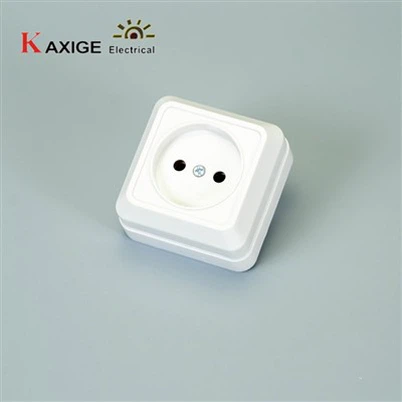
As a supplier of old switches and sockets, we understand the importance of providing reliable products. Our 73B 2 Gang Switch is designed with high - quality materials to ensure long - lasting performance. It has excellent contact points that reduce the risk of loose connections and short - circuits.
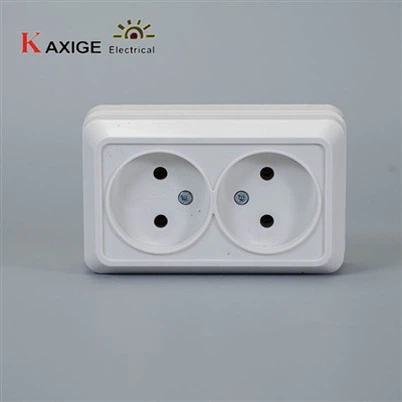
The 73B 2 Gang Sockets Grounding is another great option. It features proper grounding, which helps to protect against electrical faults, including short - circuits. Grounding provides a safe path for the electrical current in case of a fault, preventing it from causing damage or harm.


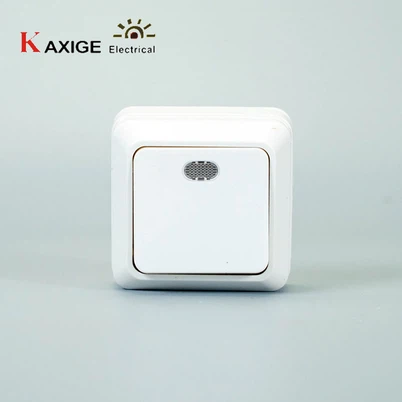
Our 73B Dimmer Switch is also engineered to be reliable. It has advanced circuitry that can handle the electrical load without overheating, reducing the likelihood of short - circuits.
Conclusion
Recognizing the signs of a short - circuit in an old socket is crucial for maintaining electrical safety in your home or workplace. Frequent tripping of circuit breakers, burning smells, sparks or arcing, flickering lights, and warm or hot sockets are all signs that should not be ignored.
If you suspect a short - circuit in an old socket, it's important to take immediate action. Unplug all appliances, turn off the power at the breaker box, and have the socket inspected by a professional electrician.
As a supplier of old switches and sockets, we are committed to providing high - quality products that can help prevent short - circuits. If you're interested in upgrading your old sockets or switches, we invite you to contact us for procurement and further discussions. We have a wide range of products that can meet your needs and ensure the safety of your electrical system.
References
- National Fire Protection Association. (2023). Electrical Fires in Residential Buildings.
- Electrical Safety Foundation International. (2023). Guide to Electrical Safety at Home.