What are the safety regulations for electrical sockets and switches in a residential area?
Leave a message

Hey there! As a supplier of socket and switch electrical products, I've seen firsthand how important it is to follow safety regulations when it comes to electrical sockets and switches in a residential area. In this blog, I'll break down the key safety rules and explain why they matter.
1. Installation Height and Location
First off, let's talk about where and how high to install sockets and switches. In a residential setting, sockets should generally be installed at a height of around 30 - 45 centimeters from the floor. This height makes them easily accessible for plugging in appliances but keeps them out of the reach of small children who might be tempted to stick their fingers in.
Switches, on the other hand, are usually installed at a height of about 1.2 - 1.4 meters from the floor. This is a comfortable height for most adults to operate without having to bend down or stretch too much.
It's also crucial to consider the location of sockets and switches. They should be placed away from water sources like sinks, bathtubs, and washing machines. Water and electricity are a dangerous combination, and even a small amount of moisture can cause a short - circuit or electric shock. For example, you wouldn't want to have a socket right next to your kitchen sink where water might splash onto it.
2. Proper Wiring
Proper wiring is the backbone of electrical safety. All sockets and switches must be wired correctly to prevent electrical fires and shocks. The wiring should be of the appropriate gauge for the electrical load it will carry. Thicker wires are needed for high - power appliances like electric heaters or air conditioners.
When wiring sockets, it's essential to connect the live, neutral, and earth wires correctly. The live wire carries the electrical current, the neutral wire completes the circuit, and the earth wire provides a safe path for the current in case of a fault. A faulty connection, such as reversing the live and neutral wires, can be extremely dangerous.
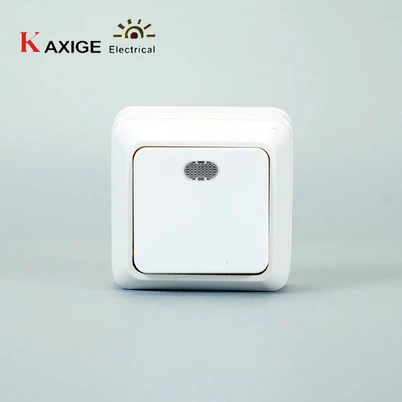
We always ensure that our products, like the 73B 1 Gang Switch, are designed to be easily and safely wired. Our switches come with clear wiring diagrams and instructions to help electricians and DIY enthusiasts get it right.
3. Overload Protection
Overloading sockets is a common cause of electrical fires. Each socket has a maximum load capacity, which is usually marked on the socket itself. You should never plug in too many high - power appliances into a single socket or power strip. For example, if you try to run a microwave, a toaster, and a coffee maker all from one socket, you're likely to overload it.
To prevent overloading, it's a good idea to use circuit breakers or fuses. These devices automatically cut off the power when the electrical current exceeds a safe level. Our 73B 2 Gang Switch with Lamp Indicator can be used in conjunction with proper circuit protection systems to ensure safe operation.
4. Child - Proofing
If you have kids in your home, child - proofing your sockets is a must. There are several ways to do this. One option is to use socket covers. These are small plastic caps that fit over the socket holes, preventing children from inserting objects into them.
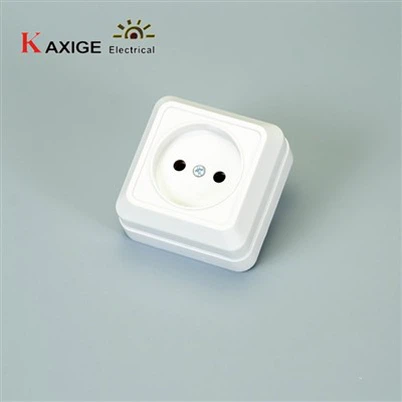
Another option is to install sockets with built - in child - proof shutters. These shutters only open when a plug is inserted correctly, blocking access to the live contacts. Our range of sockets includes child - proof models that provide an extra layer of safety for your little ones.
5. Regular Inspections
Regular inspections of your sockets and switches are essential to ensure they are in good working condition. Look for signs of damage such as cracks, burns, or loose connections. If you notice any of these issues, it's important to replace the socket or switch immediately.
You should also check for any signs of overheating. If a socket or switch feels warm to the touch, it could be a sign of a problem, such as a loose connection or overloading. Don't ignore these warning signs, as they could lead to a serious electrical fire.
6. Quality Products
Using high - quality sockets and switches is crucial for safety. Cheap, low - quality products may not meet the necessary safety standards and can pose a significant risk. At our company, we take pride in offering top - notch electrical products. Our 73B 2 Gang Switch is made from high - quality materials and undergoes rigorous testing to ensure it meets all the relevant safety regulations.
7. Grounding
Grounding is an important safety measure that provides a path for electrical current to flow safely into the ground in case of a fault. All sockets and switches should be properly grounded. The grounding wire connects the electrical device to the earth, which helps to prevent electric shocks.
In a residential area, the electrical system should have a proper grounding rod installed outside the house. This rod is connected to the electrical panel and then to all the sockets and switches in the house. Without proper grounding, a fault in an electrical appliance could cause the metal casing to become live, putting anyone who touches it at risk of electric shock.
Why These Regulations Matter
Following these safety regulations isn't just a good idea; it's essential for the safety of you and your family. Electrical fires can spread quickly and cause extensive damage to your home. Electric shocks can be life - threatening, especially for children and the elderly.
By adhering to these regulations, you can reduce the risk of electrical accidents and ensure that your home's electrical system is safe and reliable.
Contact Us for Your Electrical Needs
If you're in the market for high - quality sockets and switches that meet all the safety regulations, we're here to help. Whether you're a homeowner looking to upgrade your electrical system or a contractor working on a residential project, we have a wide range of products to suit your needs.
Don't compromise on safety when it comes to your electrical sockets and switches. Contact us today to discuss your requirements and get a quote. We're committed to providing you with the best products and service to keep your home safe and powered up.


References
- National Electrical Code (NEC)
- Local building codes and regulations
- Electrical safety standards published by relevant authorities