What are the safety precautions when using an AC dimmer switch?
Leave a message

Hey there! As a supplier of AC dimmer switches, I've seen firsthand how these nifty devices can transform the ambiance of any space. But, like any electrical equipment, they come with their own set of safety precautions. In this blog, I'll share some essential safety tips to keep in mind when using an AC dimmer switch.
1. Installation Safety
First things first, installing an AC dimmer switch isn't a job for amateurs. If you're not an experienced electrician, it's best to hire a professional. Electrical work can be dangerous, and a single mistake can lead to short circuits, electrical fires, or even electrocution.
Before you start the installation process, make sure to turn off the power at the circuit breaker. This is a no - brainer, but you'd be surprised how many people forget. Use a voltage tester to double - check that the power is indeed off. This simple step can save your life.
When choosing a location for your dimmer switch, make sure it's in a dry area. Moisture and electricity don't mix well. Avoid installing it near sinks, bathtubs, or any other areas where water might splash. Also, ensure that the switch box is properly grounded. Grounding helps to prevent electrical shocks by providing a safe path for excess electricity to flow.
2. Compatibility
Not all light bulbs are compatible with AC dimmer switches. Incandescent and halogen bulbs are generally the most compatible. They can be dimmed smoothly without any issues. However, if you're using LED or CFL bulbs, you need to be more careful.
LED bulbs, for example, require a special type of dimmer switch designed for them. Using a regular dimmer switch with an LED bulb can cause flickering, buzzing, or even damage to the bulb. Look for dimmer switches that are labeled "LED - compatible" or "CFL - compatible" when using these types of bulbs.
Another thing to consider is the wattage rating of the dimmer switch. Each dimmer switch has a maximum wattage it can handle. Exceeding this wattage can cause the switch to overheat, which is a major fire hazard. Check the wattage of your light bulbs and make sure the total wattage doesn't exceed the rating of the dimmer switch.
3. Overheating
Overheating is one of the biggest safety concerns when using an AC dimmer switch. As I mentioned earlier, exceeding the wattage rating can cause overheating. But there are other factors that can contribute to it as well.
Poor ventilation around the dimmer switch can cause heat to build up. Make sure there's enough space around the switch for air to circulate. Avoid covering the switch with insulation or other materials that can trap heat.
If you notice that the dimmer switch is getting unusually hot to the touch, turn off the power immediately. This could be a sign of a problem, such as a short circuit or an overloaded switch. Have a professional electrician inspect the switch to determine the cause.
4. Regular Maintenance
Regular maintenance is key to ensuring the safe operation of your AC dimmer switch. Check the switch periodically for any signs of damage, such as cracks, loose connections, or discoloration. If you notice any of these issues, replace the switch right away.
Clean the switch regularly to remove dust and debris. Use a dry cloth to wipe the surface of the switch. Avoid using any liquid cleaners, as they can seep into the switch and cause electrical problems.
5. Avoid Overloading Circuits
Don't overload the electrical circuit that the dimmer switch is connected to. If you have multiple dimmer switches or other electrical devices on the same circuit, make sure the total load doesn't exceed the circuit's capacity. Overloading a circuit can cause the circuit breaker to trip, or in worst - case scenarios, it can lead to an electrical fire.
If you're planning to add more dimmer switches or other electrical devices to a circuit, consult an electrician. They can help you determine if the circuit can handle the additional load or if you need to install a new circuit.
6. Children and Pets
Keep children and pets away from the dimmer switch. Children are naturally curious and may try to play with the switch, which can be dangerous. Consider using child - proof covers on the switch to prevent accidental contact.
Pets, especially cats and dogs, may also be attracted to the switch. They could chew on the wires or knock the switch, causing damage or electrical problems. Make sure the switch is installed in a place where pets can't reach it.
7. Upgrading and Replacement
Over time, dimmer switches can wear out. If you've had your dimmer switch for a long time and it's starting to malfunction, it's probably time to replace it. Look for newer models that offer better safety features and compatibility.
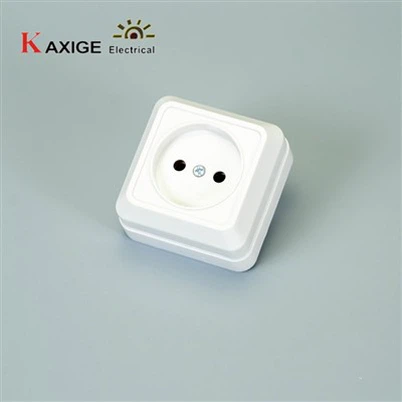
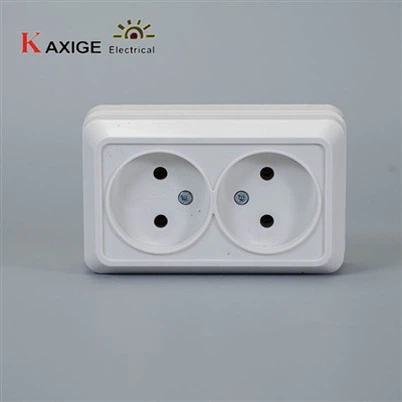
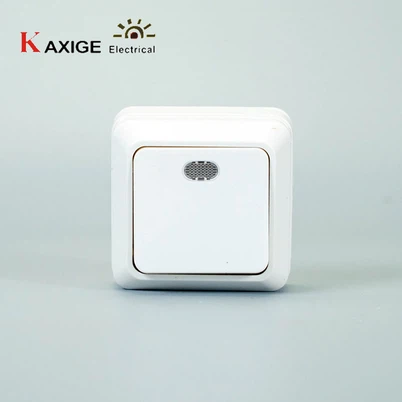
When upgrading your dimmer switch, take the opportunity to also upgrade your light bulbs. Newer LED bulbs are more energy - efficient and can provide better lighting quality. You can check out some of our other great products like the 73B 1 Gang Socket 2P, 73B Switch and Socket Combination, and 73B 2 Gang Switch with Lamp Indicator.
Conclusion
Using an AC dimmer switch can add a lot of value to your home or office, but it's important to do it safely. By following these safety precautions, you can enjoy the benefits of dimmable lighting without putting yourself or your property at risk.


If you're in the market for a high - quality AC dimmer switch or any other electrical products, we're here to help. We offer a wide range of products that are not only safe but also reliable. Whether you're a homeowner looking to upgrade your lighting or a contractor working on a big project, we've got you covered. Reach out to us for a procurement discussion, and let's work together to find the best solutions for your needs.
References
- Electrical Safety Foundation International. "Electrical Safety Tips for the Home."
- National Fire Protection Association. "Electrical Fire Prevention."
- Lighting Research Center at Rensselaer Polytechnic Institute. "Lighting and Dimming Compatibility."