How does a touch - sensitive electric switch work?
Leave a message

In the modern era of technology, touch-sensitive electric switches have become a staple in both residential and commercial settings. As an established electric switch supplier, I've witnessed firsthand the growing demand for these innovative devices. In this blog, I'll delve into the inner workings of touch-sensitive electric switches, exploring the science behind their functionality and why they've become such a popular choice for many.
The Basics of Electric Switches
Before we dive into touch-sensitive switches, let's first understand the fundamental concept of an electric switch. At its core, an electric switch is a device that controls the flow of electricity in a circuit. It can either complete the circuit, allowing current to flow, or break the circuit, stopping the flow of current. Traditional switches, such as toggle or rocker switches, rely on mechanical movement to make or break the electrical connection.
How Touch-Sensitive Electric Switches Differ
Touch-sensitive electric switches, on the other hand, operate on a different principle. Instead of using mechanical components, they utilize electrical properties to detect touch. This makes them more durable, as there are no moving parts that can wear out over time. Additionally, touch-sensitive switches offer a sleek and modern aesthetic, making them a popular choice for contemporary interior designs.
The Science Behind Touch Sensitivity
The key to the functionality of touch-sensitive electric switches lies in their ability to detect changes in electrical capacitance. Capacitance is the ability of a system to store an electric charge. When a person touches a touch-sensitive switch, their body acts as a conductor, altering the electrical field around the switch. This change in the electrical field is detected by the switch's sensor, which then triggers the appropriate action, such as turning a light on or off.
Components of a Touch-Sensitive Electric Switch
A typical touch-sensitive electric switch consists of several key components:
- Touch Sensor: This is the part of the switch that detects the touch. It is usually made of a conductive material, such as copper or indium tin oxide (ITO). When a person touches the sensor, the electrical capacitance changes, which is detected by the switch's circuitry.
- Control Circuitry: The control circuitry processes the signals from the touch sensor and determines whether to turn the switch on or off. It also includes components such as microcontrollers and integrated circuits, which are responsible for managing the switch's functions.
- Power Supply: The power supply provides the necessary electrical energy for the switch to operate. It can be either a battery or a direct connection to the electrical grid.
- Output Device: The output device is the component that controls the flow of electricity to the load, such as a light bulb or an appliance. It can be a relay, a transistor, or another type of switching device.
Types of Touch-Sensitive Electric Switches
There are several types of touch-sensitive electric switches available on the market, each with its own unique features and applications:
- Capacitive Touch Switches: These are the most common type of touch-sensitive switches. They work by detecting changes in electrical capacitance when a person touches the switch. Capacitive touch switches are highly sensitive and can detect even the slightest touch.
- Resistive Touch Switches: Resistive touch switches operate by detecting changes in electrical resistance when a person presses on the switch. They are less sensitive than capacitive touch switches but are more durable and can be used in harsh environments.
- Infrared Touch Switches: Infrared touch switches use infrared light to detect the presence of a touch. They are often used in applications where a high level of accuracy is required, such as in touchscreen displays.
Advantages of Touch-Sensitive Electric Switches
Touch-sensitive electric switches offer several advantages over traditional mechanical switches:
- Durability: Since there are no moving parts, touch-sensitive switches are more durable and less prone to wear and tear. This makes them ideal for high-traffic areas and applications where frequent use is expected.
- Aesthetics: Touch-sensitive switches offer a sleek and modern aesthetic, making them a popular choice for contemporary interior designs. They can be easily integrated into any type of decor, adding a touch of sophistication to any space.
- Convenience: Touch-sensitive switches are easy to use, as they only require a simple touch to operate. This makes them ideal for people with limited mobility or dexterity.
- Safety: Touch-sensitive switches eliminate the risk of electrical shock, as there are no exposed electrical contacts. This makes them a safer option, especially in areas where children or pets are present.
Applications of Touch-Sensitive Electric Switches
Touch-sensitive electric switches are used in a wide range of applications, including:
- Residential Lighting: Touch-sensitive switches are commonly used to control lighting in homes. They offer a convenient and stylish way to turn lights on and off, and can be integrated with smart home systems for added functionality.
- Commercial Buildings: In commercial buildings, touch-sensitive switches are used to control lighting, HVAC systems, and other electrical equipment. They offer a more efficient and cost-effective way to manage energy consumption, as they can be programmed to turn off automatically when not in use.
- Industrial Applications: Touch-sensitive switches are also used in industrial applications, such as in control panels and machinery. They offer a reliable and durable way to control electrical equipment, even in harsh environments.
Our Product Range
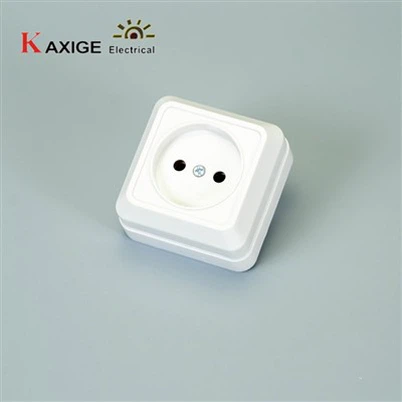
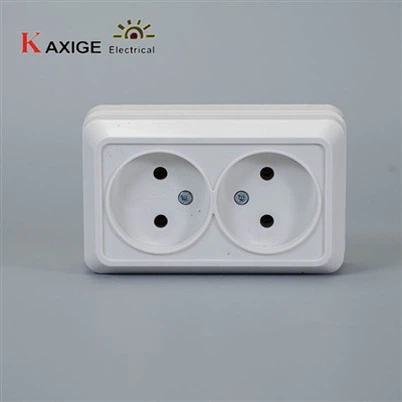
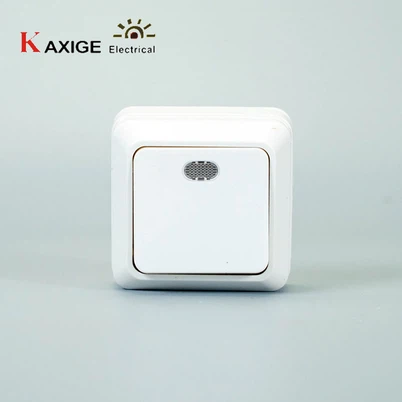
As an electric switch supplier, we offer a wide range of touch-sensitive electric switches to meet the needs of our customers. Our products include the 73B 1 Gang Socket Grounding, 73B 2 Gang Switch, and 73B 1 Gang Switch. These switches are designed to provide reliable and efficient performance, and are available in a variety of styles and finishes to suit any interior design.
Contact Us for Procurement
If you're interested in learning more about our touch-sensitive electric switches or would like to discuss your procurement needs, please don't hesitate to contact us. Our team of experts is available to provide you with detailed information and assistance, and we're committed to helping you find the right products for your applications.


References
- "Touch Sensors: Principles, Design, and Applications" by Yuchun Shi
- "Electric Circuits" by James W. Nilsson and Susan A. Riedel
- "Capacitive Sensing: What It Is and How It Works" by Microchip Technology Inc.