How do I troubleshoot a universal double socket if it stops working?
Leave a message

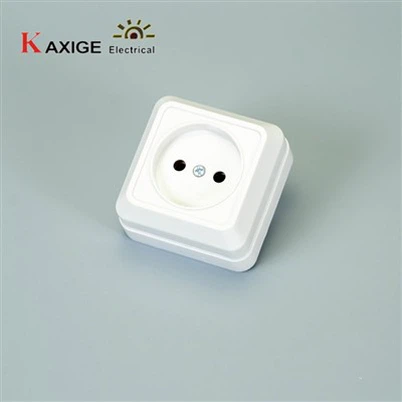
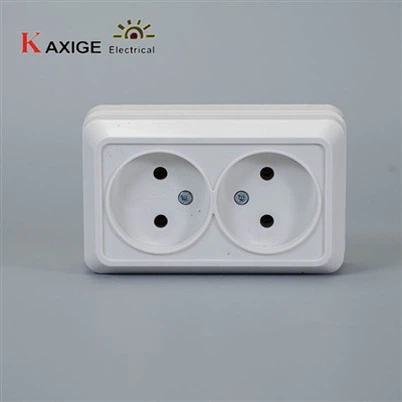
As a supplier of universal double sockets, I often encounter customers who face issues when their sockets stop working. Troubleshooting such problems can seem daunting, but with a systematic approach, most issues can be resolved efficiently. In this blog, I'll guide you through the steps to troubleshoot a universal double socket that has stopped functioning.
Step 1: Check the Power Supply
The first and simplest step is to ensure that the power supply to the socket is intact. Start by checking the circuit breaker or fuse box. Locate the breaker or fuse that corresponds to the area where the socket is installed. If the breaker has tripped, switch it back on. If a fuse has blown, replace it with a new one of the same rating.
Sometimes, a power outage in the neighborhood can cause the socket to stop working. Check if other electrical devices in your home are also affected. If so, contact your local power utility company to inquire about the outage.
Step 2: Inspect the Socket Itself
Once you've confirmed that the power supply is okay, examine the socket closely. Look for any visible signs of damage, such as cracks, burns, or loose connections. If you notice any physical damage, it's advisable to replace the socket immediately.
Check if the socket is loose in the wall. A loose socket can cause intermittent power issues. To fix this, you may need to tighten the screws that hold the socket in place. However, before doing any work on the socket, make sure to turn off the power at the circuit breaker to avoid the risk of electric shock.
Step 3: Test the Socket with a Different Device
To determine if the problem lies with the socket or the device you're trying to plug in, try using a different electrical device. Plug a known - working device, such as a lamp or a phone charger, into the socket. If the new device works, then the original device may be faulty. If the new device also doesn't work, the problem is likely with the socket.
Step 4: Check the Wiring
If the socket and the power supply seem fine, the issue could be with the wiring. Faulty wiring can cause a variety of problems, including a non - functioning socket. However, working with electrical wiring can be dangerous, so if you're not experienced in electrical work, it's best to call a professional electrician.
If you're confident in your abilities, turn off the power at the circuit breaker and remove the socket cover. Inspect the wires for any signs of damage, such as fraying or corrosion. Make sure that all the wires are securely connected to the terminals on the socket. Loose or disconnected wires can prevent the socket from working properly.
Step 5: Consider the Circuit Overload
Another possible cause of a non - working socket is a circuit overload. If too many high - wattage devices are plugged into the same circuit, it can cause the circuit breaker to trip. Check the other devices on the same circuit and unplug any that are not essential. If the socket starts working after unplugging some devices, you may need to redistribute the load across different circuits.
Step 6: Look for Internal Component Failures
In some cases, the internal components of the socket may have failed. This could be due to normal wear and tear or a manufacturing defect. If you suspect an internal component failure, it's usually best to replace the socket.
At our company, we offer a wide range of high - quality universal double sockets that are designed to be reliable and durable. In addition to our sockets, we also provide other electrical products such as the 73B 2 Gang Switch, the 73B 2 Gang Switch with Lamp Indicator, and the 73B Dimmer Switch. These products are built to meet the highest standards of quality and safety.
If you've followed all the troubleshooting steps and still can't get your socket to work, or if you're unsure about any part of the process, don't hesitate to reach out to us. We have a team of experts who can provide you with further guidance and support. Whether you need a replacement socket or advice on electrical installation, we're here to help.
If you're in the market for new electrical products, we invite you to contact us for procurement and further discussions. Our team is ready to assist you in finding the right products for your needs.


References
- Electrical Safety Foundation International. (2023). Home Electrical Safety.
- National Electrical Code Handbook. (2023 Edition).