How do I prevent electrical arcs in a socket?
Leave a message

Preventing electrical arcs in a socket is crucial for ensuring electrical safety and the longevity of your electrical devices. As a supplier of sockets and switches, I understand the importance of this issue and have gathered some effective strategies to help you avoid this potentially dangerous problem.
Understanding Electrical Arcs in Sockets
Before we discuss prevention methods, it's essential to understand what electrical arcs are and why they occur in sockets. An electrical arc is a discharge of electricity through a gas, typically air, between two conductive materials. In a socket, arcs can form when there is a sudden break in the electrical circuit, such as when a plug is inserted or removed, or when there is a loose connection.
Arcs can generate a significant amount of heat, which can damage the socket, the plug, and even the connected device. In severe cases, electrical arcs can cause fires or electric shocks, posing a serious threat to your safety and property.
Common Causes of Electrical Arcs in Sockets
Several factors can contribute to the formation of electrical arcs in sockets. Here are some of the most common causes:
- Loose Connections: A loose plug or a faulty socket can create a gap between the conductors, allowing an arc to form when electricity tries to jump across the gap.
- Overloading: Plugging too many devices into a single socket can cause the circuit to overload, leading to overheating and the formation of arcs.
- Worn-out Components: Over time, the contacts in a socket can wear out, reducing their ability to make a good connection and increasing the risk of arcing.
- Dust and Debris: Accumulated dust and debris in a socket can interfere with the electrical connection, causing arcing.
- Incorrect Installation: If a socket is not installed correctly, it may not provide a secure connection, increasing the likelihood of arcing.
Prevention Strategies
Now that we understand the causes of electrical arcs in sockets, let's explore some effective prevention strategies:
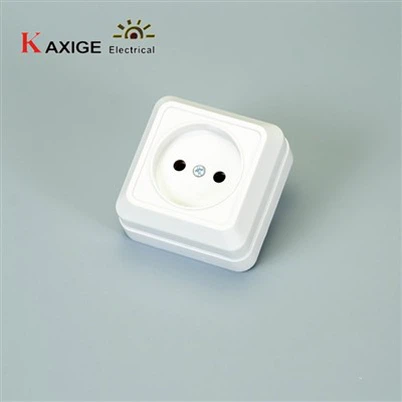
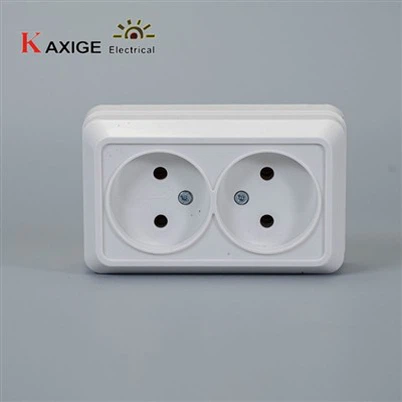
- Use High-Quality Sockets and Plugs: Investing in high-quality sockets and plugs is one of the most important steps you can take to prevent electrical arcs. Look for products that are certified to meet safety standards and have a reputation for reliability. Our 73B 1 Gang Switch and 73B Switch and Socket Combination are designed to provide a secure and reliable electrical connection, reducing the risk of arcing.
- Ensure Proper Installation: It's crucial to have your sockets installed by a qualified electrician. A professional installer will ensure that the sockets are properly wired and grounded, reducing the risk of electrical problems.
- Avoid Overloading: To prevent overloading, use power strips with built-in circuit breakers and avoid plugging too many devices into a single socket. If you need to use multiple devices, consider using a surge protector or a power distribution unit.
- Keep Sockets Clean: Regularly clean your sockets to remove dust and debris. You can use a dry cloth or a small brush to clean the contacts. Avoid using water or other liquids, as this can damage the socket.
- Inspect Sockets Regularly: Periodically inspect your sockets for signs of wear or damage, such as loose connections, discoloration, or melting. If you notice any problems, replace the socket immediately.
- Use Arc Fault Circuit Interrupters (AFCIs): AFCIs are devices that can detect and interrupt electrical arcs, preventing them from causing a fire. They are required by code in many areas and can provide an extra layer of protection for your home or business.
- Unplug Unused Devices: When you're not using a device, unplug it from the socket. This not only reduces the risk of arcing but also helps to save energy.
Our Products and Solutions
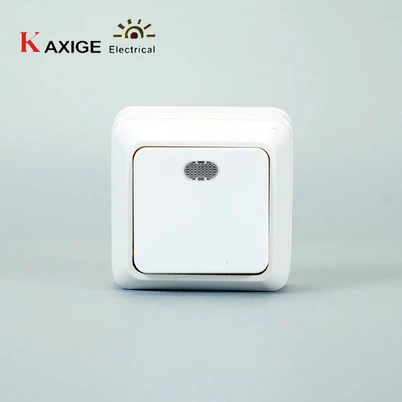
As a leading supplier of sockets and switches, we offer a wide range of products designed to prevent electrical arcs and ensure electrical safety. Our 73B series includes a variety of switches and sockets, such as the 73B 1 Gang Switch, 73B Switch and Socket Combination, and 73B 1 Gang Switch with Lamp Indicator. These products are made from high-quality materials and are designed to provide a secure and reliable electrical connection.
In addition to our standard products, we also offer customized solutions to meet the specific needs of our customers. Whether you need a special socket design or a unique switch configuration, our team of experts can work with you to develop a solution that meets your requirements.
Conclusion
Preventing electrical arcs in a socket is essential for ensuring electrical safety and the longevity of your electrical devices. By understanding the causes of electrical arcs and implementing the prevention strategies outlined in this article, you can reduce the risk of arcing and protect your home or business from potential hazards.
If you're interested in learning more about our products and solutions for preventing electrical arcs, or if you have any questions or concerns, please don't hesitate to contact us. We're here to help you find the right products and solutions for your needs and to ensure the safety and reliability of your electrical systems.


References
- National Fire Protection Association. (2023). National Electrical Code (NEC).
- Underwriters Laboratories. (2023). UL 498: Standard for Attachment Plugs and Receptacles.
- International Electrotechnical Commission. (2023). IEC 60884: Plugs, Socket - Outlets, Vehicle Connectors and Vehicle Inlets - Safety Requirements.