How do I label a socket and switch for easy identification?
Leave a message

In the electrical industry, clear and accurate labeling of sockets and switches is not just a matter of convenience; it's a necessity for safety, efficiency, and user-friendliness. As a dedicated socket and switch electrical supplier, I understand firsthand the importance of proper labeling and its impact on both installers and end-users. In this blog, I'll share some practical insights on how to label sockets and switches for easy identification.
Understanding the Importance of Labeling
Before delving into the how-to, let's take a moment to understand why labeling is so crucial. First and foremost, it enhances safety. In a home or commercial building, misidentifying a switch or socket can lead to electrical accidents, such as short circuits or electrocution. For example, if a switch labeled "Living Room Lights" actually controls a high - voltage appliance, it can pose a serious risk to anyone who operates it.
Secondly, labeling improves efficiency. When you need to quickly find a specific switch or socket, a clear label can save you time and effort. This is especially important in large buildings with numerous electrical outlets and switches. For instance, in an office building, it's far easier to manage electrical systems when outlets for computers, printers, and lights are clearly marked.
Lastly, it enhances the user experience. Whether it's a homeowner or a facility manager, having well - labeled sockets and switches makes the electrical system more intuitive to use, reducing frustration and confusion.
Types of Labels
There are several types of labels that can be used for sockets and switches, each with its own advantages.
Permanent Labels
Permanent labels are a great option for long - term use. They can be made of materials such as plastic or metal and are often engraved or printed with the information. These labels are resistant to wear and tear, cleaning agents, and environmental factors. For example, for a commercial building where the electrical system is expected to last for decades, permanent metal labels can be used to ensure that the labels remain clear and legible over time.
Removable Labels
Removable labels offer flexibility. They can be easily changed or removed if there are alterations to the electrical system. Vinyl stickers are a common type of removable label. For example, in a rented office space, tenants may need to label the sockets and switches according to their specific equipment. Removable labels allow them to customize the labeling without causing any damage to the electrical components.
Digital Labels
In the age of technology, digital labels are becoming increasingly popular. These can be electronic display units that show the function of the socket or switch. They can be programmed to change information as needed and can even be integrated with smart home systems. For example, a digital label can display real - time energy consumption data of the connected appliance.
Labeling Considerations
When labeling sockets and switches, there are several factors to consider to ensure easy identification.
Function
The primary purpose of the label is to indicate the function of the socket or switch. Be as specific as possible. Instead of simply labeling a switch as "Lights," specify which area the lights are in, such as "Kitchen Ceiling Lights" or "Bedroom Wall Lights." For sockets, note the type of appliance that is typically connected, like "Desktop Computer Socket" or "Refrigerator Socket."
Location
In addition to function, including the location in the label can be very helpful. For large buildings, you can combine the floor number, room number, and the electrical component's position. For example, "Floor 3, Room 302, Wall Socket near Window." This makes it much easier to locate the specific socket or switch.
Color - Coding
Color - coding can be used in conjunction with text labels to enhance identification. For example, you can use red labels for high - power appliances, blue for lighting circuits, and green for low - voltage devices like chargers. This visual cue can make it easier for users to quickly identify the type of electrical connection at a glance.
Consistency
It's important to maintain consistency in your labeling system. Use the same font, size, and color scheme throughout the building. This makes the labeling system more organized and easier to understand.
Labeling Our Products
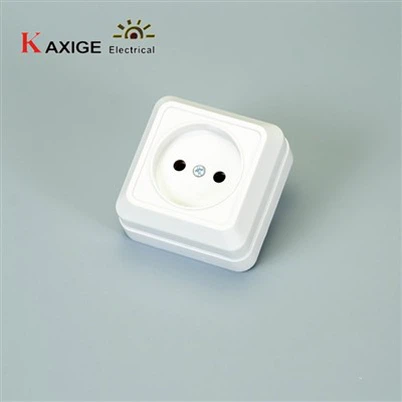
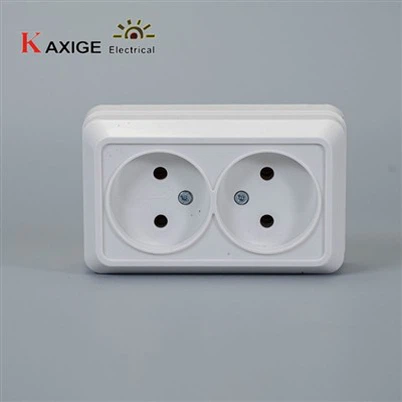
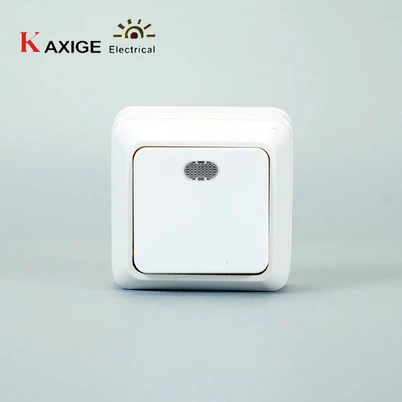
As a socket and switch electrical supplier, we offer a wide range of high - quality products, including the 73B Switch and Socket Combination, 73B 1 Gang Socket 2P, and 73B 2 Gang Sockets. When it comes to labeling these products, we recommend following the principles mentioned above.
For our 73B Switch and Socket Combination, which is often used in living rooms or bedrooms, you can label the switch according to the lighting it controls, such as "Living Room Table Lamp Switch." The socket part can be labeled based on the common appliances connected, like "Mobile Phone Charging Socket."
Our 73B 1 Gang Socket 2P is suitable for a single appliance. You can label it clearly with the name of the appliance, such as "Coffee Maker Socket." And for the 73B 2 Gang Sockets, which can power two devices simultaneously, you can label each socket separately, for example, "Laptop Charger Socket" and "Tablet Charger Socket."


Step - by - Step Guide to Labeling
-
Plan Your Labeling System
- Decide on the type of labels you will use (permanent, removable, or digital).
- Determine the information to be included on the labels, such as function, location, and color - coding.
- Create a template for your labels to ensure consistency.
-
Gather Your Materials
- If you're using permanent labels, you may need a label maker, engraving tools, or pre - made metal or plastic labels.
- For removable labels, vinyl stickers and a printer can be sufficient.
- Digital labels may require specialized software and display units.
-
Identify the Sockets and Switches
- Go through each socket and switch in the building and determine its function and location.
- Make a list of the labels you need to create.
-
Create the Labels
- Use your chosen materials and tools to create the labels. Make sure the text is clear, legible, and the colors are vivid.
-
Apply the Labels
- For permanent labels, follow the manufacturer's instructions for installation. This may involve using adhesives or screws.
- Removable labels can be simply peeled and stuck onto the sockets or switches.
- Digital labels need to be installed and programmed according to the provided guidelines.
Benefits of Proper Labeling for Our Customers
Properly labeled sockets and switches from our company offer several benefits to our customers. Firstly, it reduces the risk of electrical accidents for end - users. When people know exactly what each switch and socket controls, they are less likely to make mistakes that could lead to hazards.
Secondly, it simplifies maintenance and troubleshooting for electricians. When they need to repair or replace a component, a clear label can quickly guide them to the right location and help them understand the connected circuit.
Lastly, it adds value to the property. A well - labeled electrical system is seen as a sign of good quality and care, which can be appealing to potential buyers or tenants in the case of real estate.
Contact Us for Your Electrical Needs
If you are in the market for high - quality sockets and switches and need guidance on labeling or any other electrical matters, don't hesitate to contact us. We are committed to providing top - notch products and excellent customer service. Our team of experts is ready to assist you with all your electrical supply and installation needs. Whether you are a homeowner, a contractor, or a facility manager, we have the right solutions for you.
References
- Basic Electrical Safety Guidelines, National Electrical Safety Foundation.
- Handbook of Electrical Installation, Institute of Electrical Installation Engineers.