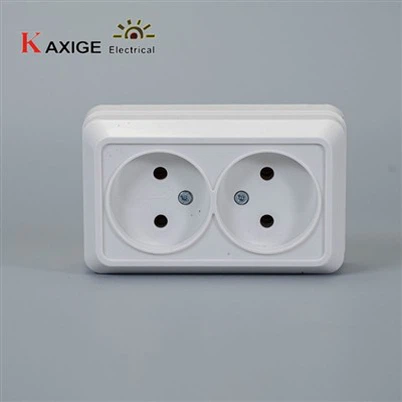
Do universal double sockets comply with international electrical standards?
Leave a message

Hey there! As a supplier of universal double sockets, I often get asked if these little guys actually comply with international electrical standards. It's a super important question, and I'm here to break it down for you in plain English.
Let's start by understanding what international electrical standards are all about. These standards are like a rulebook for electrical products. They're put in place to make sure that everything from sockets to appliances is safe to use, reliable, and works well. There are different standards in different parts of the world, but some big players include the IEC (International Electrotechnical Commission) standards. These are kinda like the gold standard for electrical safety and performance on a global scale.
So, do universal double sockets comply with these standards? Well, it's not a one - size - fits - all answer. The key thing to know is that there are good quality universal double sockets out there that are designed and manufactured to meet international electrical standards. But, just like with any product, there are also some that don't quite cut it.
When a universal double socket complies with international standards, it means a few really important things. First off, safety is a huge deal. These sockets are built to prevent electrical shocks. They've got proper insulation to keep the electrical current where it should be and out of your fingers! For example, they'll have a certain level of protection against dust and water, known as an IP (Ingress Protection) rating. A socket with a high IP rating can be used in more challenging environments without getting damaged or posing a safety risk.
Another aspect is electrical performance. A standard - compliant socket will handle the right amount of voltage and current. This is crucial because if a socket can't handle the power that's being sent through it, it can overheat, which is a fire hazard. Good sockets are also designed to have a low resistance, so they don't waste energy as heat.
Now, as a supplier, I take compliance seriously. We work hard to make sure that our universal double sockets meet all the relevant international standards. We use high - quality materials in the manufacturing process. The conductors inside the sockets are made of copper or other good - conducting metals that can handle the electrical load without a problem. And we test our products rigorously. We put them through all sorts of tests, like temperature tests to see how they perform under different heat conditions, and electrical tests to make sure they can handle the expected voltage and current.


But why are international standards so important for consumers and businesses? Well, for consumers, it's all about safety. You don't want to plug in your phone charger or hair dryer and worry about getting a shock or starting a fire. Compliance gives you that peace of mind. Plus, using standard - compliant products can also extend the life of your appliances. Your devices are designed to work with sockets that meet certain electrical characteristics, so using a compliant socket ensures that they function properly for longer.
For businesses, compliance is not just about safety but also about legality. In many countries, it's a legal requirement to use electrical products that meet international standards. If you're a shop, office, or any commercial establishment, using non - compliant sockets can land you in hot water with the authorities. It can also lead to insurance issues. If there's an electrical accident caused by non - compliant equipment, your insurance company might not cover the damages.
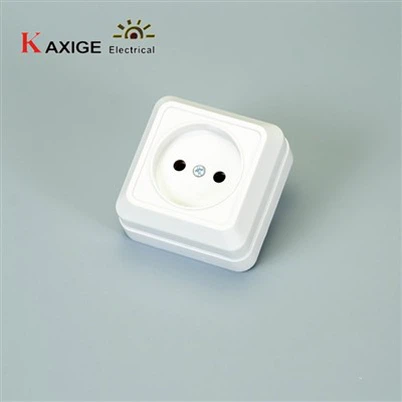
Let me tell you a bit about some of the products we offer. We have the 73B 1 Gang Socket 2P. This is a great universal double socket that's designed to meet international electrical standards. It's got a sleek design and is made to be durable. The materials used are top - notch, ensuring good electrical conductivity and long - term performance.
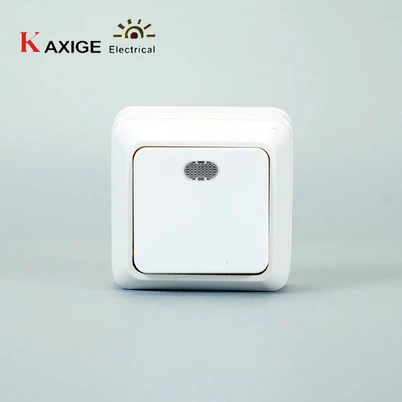
We also have the 73B 1 Gang Switch. While it's not a socket, it's part of our electrical product range. It's built to the same high standards as our sockets, so you can be sure it's safe and reliable. And if you're looking for something a bit more advanced, we've got the 73B 2 Gang Switch with Lamp Indicator. This switch comes with a handy lamp indicator, and of course, it meets all the necessary electrical standards.
Now, I know there might be some concerns out there. Some people might think that universal double sockets won't work well in different countries because of the different electrical systems. But that's the beauty of well - designed universal sockets. They're made to adapt to different plug types and voltage requirements. Most of the time, they can handle a wide range of voltages, usually from 100V to 240V, which covers a large part of the world's electrical systems. And they've got different plug openings to fit various plug shapes.
However, it's still important to do your research. Even though we strive to make our products compliant, you should always check the specifications and certifications of the product you're buying. Look for labels like the CE (Conformité Européene) mark in Europe or the UL (Underwriters Laboratories) mark in the United States. These marks are a sign that the product has been tested and meets certain standards.
In conclusion, universal double sockets can definitely comply with international electrical standards, but it depends on the quality of the product. As a supplier, I'm committed to providing products that are safe, reliable, and compliant. Whether you're a homeowner looking to upgrade your sockets or a business owner in need of electrical equipment, we've got you covered.
If you're interested in our universal double sockets or any of our other electrical products, don't hesitate to reach out. Let's have a chat about your needs and see how we can help you. We're always happy to answer any questions you might have and guide you through the purchasing process.
References
- International Electrotechnical Commission (IEC) - Standards on electrical safety and performance
- Underwriters Laboratories (UL) - Information on electrical product testing and certification
- Various electrical safety regulations from different countries around the world