Can old switches and sockets be used in a new electrical system?
Leave a message

When embarking on a new electrical system installation, one question that often arises is whether old switches and sockets can be integrated into the setup. As a long - standing supplier of old switches and sockets, I've encountered this query numerous times from electricians, contractors, and DIY enthusiasts alike. In this blog, I'll delve into the feasibility, advantages, and potential drawbacks of using old switches and sockets in a new electrical system.
Compatibility Considerations
The first and most crucial aspect to assess is the compatibility of old switches and sockets with the new electrical system. Electrical standards and requirements have evolved over the years. Newer systems are designed to meet more stringent safety and performance criteria. For instance, modern electrical codes often mandate features like arc - fault circuit interrupters (AFCIs) and ground - fault circuit interrupters (GFCIs) to prevent electrical fires and shocks.
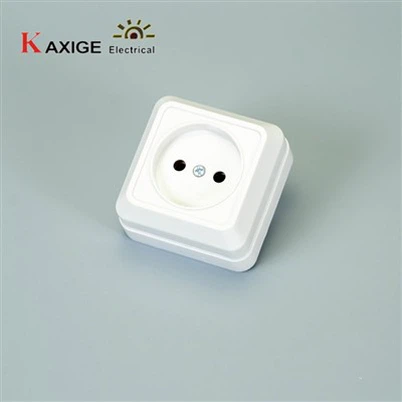
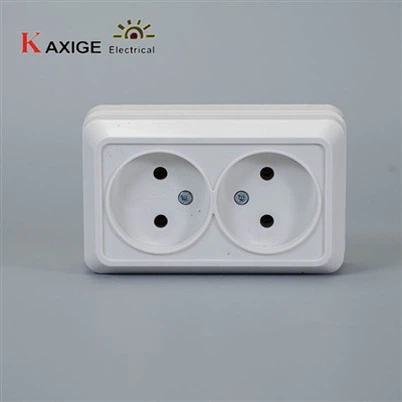
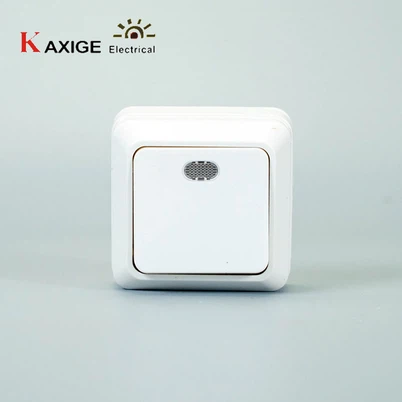
However, many of our old switches and sockets, such as the 73B Dimmer Switch, the 73B 1 Gang Socket 2P, and the 73B 2 Gang Switch, have been engineered to handle a wide range of electrical loads. They are built with high - quality materials that ensure durability and reliable performance. Before installation, it's essential to check the voltage and amperage ratings of the old components against the requirements of the new system. If the ratings match, the old switches and sockets can likely be used without major issues.
Safety Aspects
Safety is non - negotiable when it comes to electrical systems. Older switches and sockets may lack some of the advanced safety features found in newer models. For example, older sockets might not have tamper - resistant shutters, which are now standard in many new installations to prevent children from inserting foreign objects into the outlets.
On the other hand, our old switches and sockets have undergone rigorous testing during their manufacturing process. They are made with flame - retardant materials, which significantly reduce the risk of fire in case of an electrical short - circuit. Additionally, proper installation and maintenance can mitigate many safety concerns. An experienced electrician can inspect the old components for signs of wear, such as frayed wires or loose connections, and make the necessary repairs or replacements.


Cost - Effectiveness
One of the most significant advantages of using old switches and sockets in a new electrical system is cost - effectiveness. New electrical components can be quite expensive, especially if you're working on a large - scale project. By reusing old switches and sockets, you can save a substantial amount of money without sacrificing too much in terms of functionality.
Our old switches and sockets are available at a fraction of the cost of new ones. This makes them an attractive option for budget - conscious customers who still want a reliable electrical system. Moreover, since these components have already been in use for some time, their long - term performance and durability have been proven in real - world scenarios.
Aesthetic Appeal
In some cases, the aesthetic appeal of old switches and sockets can be a major selling point. They often have a classic design that can add a touch of vintage charm to a modern interior. For example, the smooth operation and elegant finish of our 73B series switches and sockets can complement both traditional and contemporary decors.
If you're aiming for a unique or retro look in your new building or renovation project, using old switches and sockets can help you achieve that desired aesthetic. They can create a cohesive and stylish look that sets your space apart from others.
Potential Drawbacks
Despite the many benefits, there are also some potential drawbacks to using old switches and sockets in a new electrical system. As mentioned earlier, they may not comply with the latest electrical codes. This could pose a problem if you're required to pass an electrical inspection. In such cases, you may need to make modifications or replace some of the old components to meet the regulatory requirements.
Another issue is the limited availability of spare parts. Since these are old products, finding replacement parts in case of damage can be challenging. This might lead to longer downtime if a switch or socket malfunctions.
Making the Decision
Ultimately, the decision to use old switches and sockets in a new electrical system depends on several factors. If you're on a tight budget, looking for a vintage aesthetic, and the components are compatible with the new system, then it's definitely worth considering. However, if safety and compliance with the latest electrical codes are your top priorities, you may need to weigh the pros and cons more carefully.
Before making a final decision, it's advisable to consult with a qualified electrician. They can assess the condition of the old components, evaluate the compatibility with the new system, and provide professional advice on whether it's a viable option.
Contact for Purchase and Consultation
If you're interested in learning more about our old switches and sockets or are considering using them in your new electrical system, I encourage you to reach out for a consultation. Our team of experts is ready to assist you in making the right choice for your project. Whether you have questions about compatibility, safety, or pricing, we're here to help.
References
- "Electrical Installation Handbook" by International Electrotechnical Commission (IEC)
- "National Electrical Code" published by the National Fire Protection Association (NFPA)