Can I use an AC dimmer switch in a bathroom?
Leave a message

As a supplier of AC dimmer switches, I often receive inquiries from customers about the feasibility of using our products in bathrooms. This is a valid concern, considering the unique environment of bathrooms, which combines water and electricity, two elements that require careful handling. In this blog post, I will delve into the technical aspects, safety considerations, and regulatory requirements to help you make an informed decision.
Technical Feasibility
AC dimmer switches are designed to control the brightness of lighting fixtures by adjusting the voltage supplied to them. They work by varying the phase angle of the alternating current (AC) waveform, effectively reducing the average power delivered to the light. This technology is commonly used in residential and commercial settings to create different lighting atmospheres and save energy.
In theory, there is no technical reason why an AC dimmer switch cannot be used in a bathroom. However, several factors need to be considered to ensure the safe and reliable operation of the switch.
Compatibility with Lighting Fixtures
Not all lighting fixtures are compatible with dimmer switches. Incandescent and halogen bulbs are the most compatible types of lighting for dimming, as they can easily adjust their brightness in response to changes in voltage. LED and fluorescent lights, on the other hand, require special dimmer switches designed specifically for their electrical characteristics.


When selecting a dimmer switch for your bathroom, it is essential to ensure that it is compatible with the type of lighting fixtures you have installed. Using an incompatible dimmer switch can cause flickering, buzzing, or premature failure of the lighting fixtures.
Electrical Load
The electrical load of the lighting fixtures in your bathroom must be within the rated capacity of the dimmer switch. Overloading a dimmer switch can cause it to overheat, leading to a fire hazard. Before installing a dimmer switch, calculate the total wattage of all the lighting fixtures in the bathroom and choose a dimmer switch with a rated capacity that exceeds this value.
Environmental Conditions
Bathrooms are high-moisture environments, which can pose a challenge to the operation of electrical devices. AC dimmer switches are typically designed for indoor use, but they may not be suitable for direct exposure to water or high humidity. To ensure the safe operation of the dimmer switch in a bathroom, it is recommended to install it in a location where it will not be splashed with water or exposed to steam.
Safety Considerations
Safety is the top priority when it comes to using electrical devices in a bathroom. The combination of water and electricity creates a potentially dangerous environment, and any electrical installation must comply with strict safety standards.
Ground Fault Circuit Interrupter (GFCI) Protection
A Ground Fault Circuit Interrupter (GFCI) is a safety device that protects against electrical shock by detecting imbalances in the electrical current. In a bathroom, all electrical outlets and switches, including dimmer switches, must be protected by a GFCI. This ensures that if a person comes into contact with an electrical current, the GFCI will quickly shut off the power, preventing serious injury or death.
Water Resistance
To prevent water damage and electrical shock, the dimmer switch must be water-resistant. Look for dimmer switches that are rated for use in wet or damp locations, such as those with an IP (Ingress Protection) rating of at least IP44. This rating indicates that the switch is protected against splashing water from any direction.
Proper Installation
Proper installation is crucial for the safe operation of any electrical device. When installing a dimmer switch in a bathroom, it is recommended to hire a qualified electrician who is familiar with local electrical codes and safety regulations. The electrician will ensure that the switch is installed correctly, wired properly, and grounded effectively.
Regulatory Requirements
In addition to safety considerations, there are also regulatory requirements that must be met when using an AC dimmer switch in a bathroom. These requirements vary depending on the location and the specific electrical code in your area.
National Electrical Code (NEC)
In the United States, the National Electrical Code (NEC) sets the standards for electrical installations in residential and commercial buildings. According to the NEC, all electrical devices in a bathroom must be installed in accordance with specific requirements to ensure safety. This includes the use of GFCI protection, proper grounding, and water-resistant enclosures.
Local Building Codes
In addition to the NEC, local building codes may also have specific requirements for electrical installations in bathrooms. It is important to check with your local building department to ensure that you are in compliance with all applicable codes and regulations.
Product Recommendations
As a supplier of AC dimmer switches, I recommend the following products for use in bathrooms:
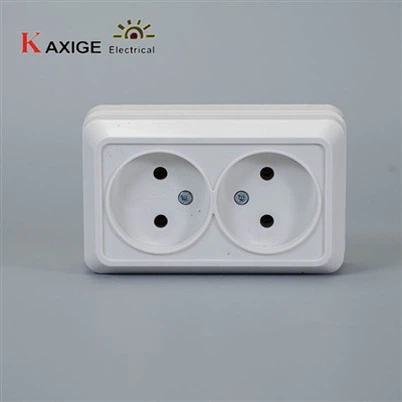
73B 2 Gang Sockets
These sockets are designed for use in wet or damp locations and are equipped with a water-resistant cover. They are compatible with a variety of electrical devices and provide a convenient way to power multiple appliances in the bathroom.
73B 2 Gang Switch with Lamp Indicator
This switch features a built-in lamp indicator that provides visual feedback on the status of the switch. It is suitable for use in bathrooms and other areas where visibility is important.
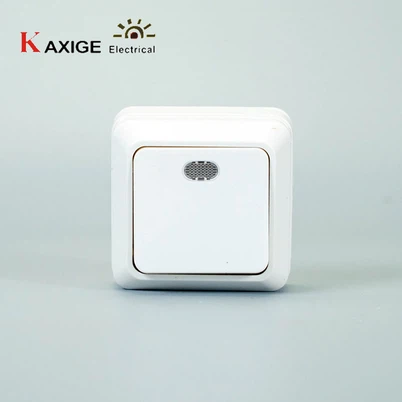
73B 1 Gang Switch
This single-gang switch is a simple and reliable option for controlling a single lighting fixture in the bathroom. It is easy to install and operates smoothly.
Conclusion
In conclusion, it is possible to use an AC dimmer switch in a bathroom, but it is essential to take into account the technical feasibility, safety considerations, and regulatory requirements. By choosing a compatible dimmer switch, ensuring proper installation, and following all safety guidelines, you can create a safe and comfortable lighting environment in your bathroom.
If you have any questions or need further assistance in selecting the right AC dimmer switch for your bathroom, please do not hesitate to contact us. We are a leading supplier of high-quality electrical products and are committed to providing our customers with the best possible solutions. Our team of experts is available to answer your questions and help you make an informed decision. Contact us today to discuss your requirements and start the procurement process.
References
- National Electrical Code (NEC), NFPA 70
- Local building codes and regulations