Can I paint a wall light switch for home?
Leave a message

As a supplier of wall light switches for homes, I often get asked a rather interesting question: "Can I paint a wall light switch for home?" It's a query that might seem simple at first glance, but it actually delves into a variety of factors, from safety and functionality to aesthetics and durability. In this blog post, I'll explore this question in detail, providing you with the information you need to make an informed decision.
Safety First: The Electrical Aspect
Before you even think about picking up a paintbrush, it's crucial to understand the electrical implications of painting a wall light switch. Wall light switches are electrical devices, and any interference with their components can pose serious safety risks. The internal mechanisms of a switch, such as the contacts and wiring, need to function properly to prevent electrical shorts, fires, and other hazards.
Painting the exterior of a switch might seem harmless, but if paint seeps into the switch's internal parts, it can cause problems. For example, paint can insulate the contacts, preventing them from making proper electrical connections. This can lead to overheating, which is a major fire hazard. Additionally, paint can interfere with the switch's ability to dissipate heat, further increasing the risk of overheating.
To ensure safety, it's recommended that you turn off the power to the switch at the circuit breaker before attempting any painting. This will prevent any electrical shock while you're working. If you're unsure how to do this, it's best to consult a qualified electrician.
Functionality and Durability
Another important consideration is the functionality and durability of the switch after painting. Wall light switches are designed to be used repeatedly, and the paint needs to be able to withstand the wear and tear of daily use. If the paint chips or peels off, it can not only look unsightly but also expose the switch's underlying materials to damage.
When choosing a paint for your wall light switch, it's important to select a high-quality, durable paint that is suitable for the type of material the switch is made of. Most wall light switches are made of plastic or metal, and different paints are required for each material. For plastic switches, a paint that is specifically designed for plastic surfaces is recommended. These paints are formulated to adhere well to plastic and provide long-lasting protection. For metal switches, a paint that is resistant to corrosion and abrasion is a good choice.
In addition to the type of paint, the application method is also important. It's recommended that you use a small brush or a spray can to apply the paint evenly. Avoid applying too much paint at once, as this can cause drips and uneven coverage. It's also a good idea to apply multiple thin coats of paint, allowing each coat to dry completely before applying the next one. This will help to ensure a smooth, even finish.
Aesthetics
Of course, one of the main reasons people want to paint their wall light switches is for aesthetic reasons. Painting a wall light switch can be a great way to match it to the color scheme of your room or to add a personal touch to your home decor. However, it's important to choose a color that complements the overall look of the room.
When selecting a color for your wall light switch, consider the color of the walls, the furniture, and other decorative elements in the room. You can choose a color that matches the walls for a seamless look, or you can choose a contrasting color to make the switch stand out. It's also a good idea to test the color on a small, inconspicuous area of the switch first to make sure you like the way it looks.
Our Product Recommendations
As a supplier of wall light switches for homes, we offer a wide range of high-quality switches that are designed to meet the needs of different customers. Our switches are available in a variety of styles, colors, and configurations, so you can find the perfect switch for your home.
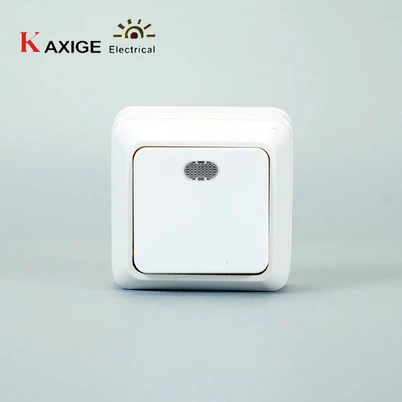
One of our popular products is the 73B 1 Gang Switch. This switch is a single-pole switch that is suitable for controlling a single light or electrical device. It has a sleek, modern design that will complement any home decor. Another popular product is the 73B 2 Gang Switch with Lamp Indicator. This switch is a double-pole switch that is suitable for controlling two lights or electrical devices. It has a built-in lamp indicator that makes it easy to see if the switch is on or off.
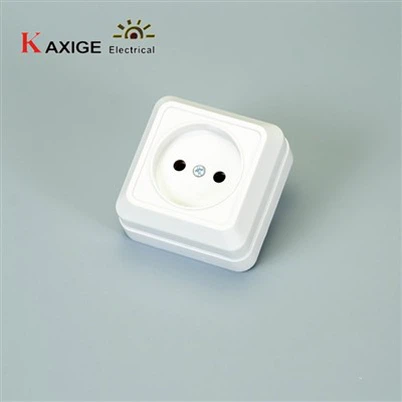
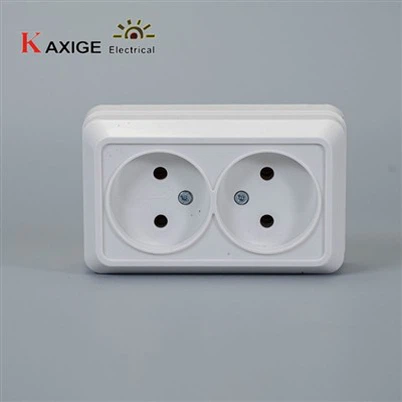
If you're looking for a socket, we also offer the 73B 1 Gang Socket Grounding. This socket is designed to provide a safe and reliable electrical connection for your appliances. It has a grounding terminal that helps to protect against electrical shock.


Conclusion
In conclusion, while it is possible to paint a wall light switch for home, it's important to do it safely and correctly. Make sure to turn off the power to the switch at the circuit breaker before painting, and choose a high-quality, durable paint that is suitable for the type of material the switch is made of. Consider the functionality and durability of the switch after painting, as well as the aesthetics of the color you choose.
If you have any questions or need further information about our wall light switches or sockets, please don't hesitate to contact us. We're here to help you find the perfect products for your home.
References
- Electrical Safety Foundation International. (n.d.). Electrical Safety Tips. Retrieved from [Website URL]
- National Fire Protection Association. (n.d.). Electrical Fires. Retrieved from [Website URL]
- Paint Manufacturers Association. (n.d.). Choosing the Right Paint for Your Project. Retrieved from [Website URL]