Can a light regulator switch be used with incandescent bulbs?
Leave a message

Hey there! As a supplier of light regulator switches, I often get asked this question: Can a light regulator switch be used with incandescent bulbs? Well, let's dive right into it and find out.
First off, let's understand what a light regulator switch is. It's a device that allows you to control the brightness of a light. You can dim the light to create a cozy atmosphere or brighten it up when you need more illumination. Pretty handy, right?
Now, incandescent bulbs. These are the traditional bulbs that have been around for ages. They work by heating a filament inside the bulb until it glows, producing light. They're known for their warm, soft light, but they're not the most energy - efficient option out there.
The good news is, in most cases, a light regulator switch can be used with incandescent bulbs. Incandescent bulbs are very compatible with dimmer switches because they respond well to changes in voltage. When you use a light regulator switch to reduce the voltage going to an incandescent bulb, the filament inside the bulb heats up less, and the light gets dimmer. It's a simple and effective way to control the lighting in your space.
However, there are a few things you need to keep in mind. One important factor is the wattage rating of the dimmer switch. Every dimmer switch has a maximum wattage it can handle. You need to make sure that the total wattage of the incandescent bulbs you connect to the dimmer switch does not exceed this rating. If you overload the dimmer switch, it can overheat, which is not only a fire hazard but can also damage the switch and the bulbs.
Another thing to consider is the type of dimmer switch. There are different types of light regulator switches available in the market, such as leading - edge dimmers and trailing - edge dimmers. Leading - edge dimmers are more commonly used with incandescent bulbs. They work by chopping off the leading part of the AC voltage waveform, which reduces the power going to the bulb. Trailing - edge dimmers, on the other hand, are more suitable for LED and CFL bulbs, but in some cases, they can also work with incandescent bulbs.
Let me tell you about some of the products we offer as a light regulator switch supplier. We have the 73B Dimmer Switch. This is a great option if you want to control the brightness of your incandescent bulbs. It's easy to install and has a smooth dimming operation. You can adjust the light from very bright to almost off, giving you complete control over the lighting in your room.
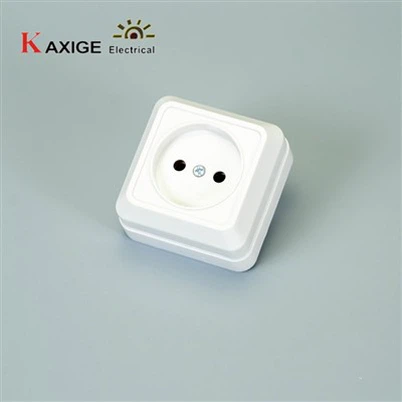
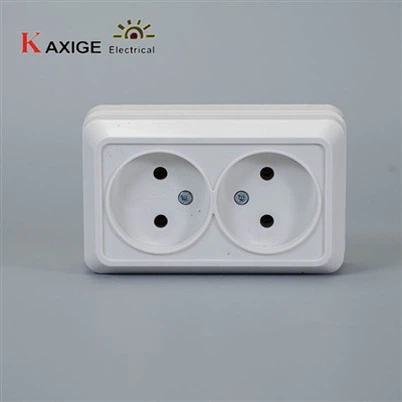
We also have the 73B Switch and Socket Combination. This is a versatile product that combines a switch and a socket in one unit. You can use the switch to control the incandescent bulbs, and the socket for other electrical devices. It's a space - saving solution that is perfect for small rooms or areas where you need multiple functions in one place.
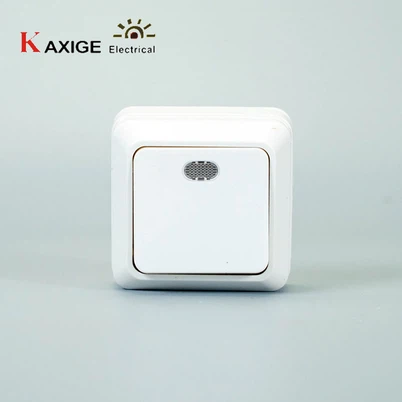
And then there's the 73B 1 Gang Switch with Lamp Indicator. This switch not only allows you to control the incandescent bulbs but also has a lamp indicator. The indicator light shows whether the switch is on or off, which is very convenient, especially in the dark.
Using a light regulator switch with incandescent bulbs has many benefits. For one, it can help you save energy. When you dim the lights, you're using less electricity, which means lower energy bills. It also extends the lifespan of the incandescent bulbs. Since the bulbs are not always operating at full brightness, the filament inside the bulb doesn't wear out as quickly, so you won't have to replace the bulbs as often.
In addition, it creates a more comfortable and customizable lighting environment. You can set the mood for different activities. For example, if you're having a romantic dinner, you can dim the lights to create a soft and intimate atmosphere. If you're reading or working, you can brighten the lights for better visibility.
But there are also some potential drawbacks. One issue is that incandescent bulbs can flicker when used with a dimmer switch. This is usually caused by a poor quality dimmer switch or an incompatible bulb. If you experience flickering, you may need to try a different dimmer switch or check if the bulbs are suitable for dimming.
Another drawback is that incandescent bulbs are not very energy - efficient compared to LED and CFL bulbs. Even when you dim them, they still consume more energy than other types of bulbs. So, if you're looking for a long - term energy - saving solution, you might want to consider upgrading to LED bulbs in the future.
In conclusion, a light regulator switch can definitely be used with incandescent bulbs, and it offers a lot of benefits in terms of lighting control and energy savings. However, you need to choose the right dimmer switch, make sure it's properly rated for the bulbs, and be aware of the potential issues.


If you're interested in our light regulator switches or have any questions about using them with incandescent bulbs, feel free to reach out to us. We're here to help you make the best choice for your lighting needs. Whether you're a homeowner looking to upgrade your lighting or a contractor working on a project, we have the products and expertise to assist you.
References
- "Dimmer Switches: How They Work and How to Choose the Right One." Electrical Safety Foundation International.
- "Incandescent Bulbs: The Basics." Energy.gov.