What is the heat dissipation performance of white plastic sockets?
Leave a message

Hey there! As a supplier of white plastic sockets, I often get asked about the heat dissipation performance of these little guys. Well, let's dive right in and explore this topic.
First off, why does heat dissipation matter? When electrical devices are plugged into sockets, they draw current, and this process generates heat. If the socket can't dissipate this heat effectively, it can lead to a bunch of problems. High temperatures can cause the plastic to deform over time, reducing the socket's lifespan. It can also pose a fire hazard, which is obviously a big no - no.
Now, let's talk about white plastic sockets specifically. White plastic is a popular choice for sockets for several reasons. It's aesthetically pleasing, easy to clean, and relatively inexpensive. But how does it fare when it comes to heat dissipation?
The heat dissipation performance of white plastic sockets depends on a few key factors. One of the most important is the type of plastic used. Most white plastic sockets are made from polycarbonate or ABS (Acrylonitrile Butadiene Styrene). Polycarbonate is known for its high heat resistance and good electrical insulation properties. It can withstand relatively high temperatures without deforming, which is great for heat dissipation. ABS, on the other hand, is more affordable but has a lower heat resistance compared to polycarbonate.


Another factor is the design of the socket. A well - designed socket will have proper ventilation channels or fins that allow heat to escape more easily. Some sockets are designed with a honeycomb - like structure inside, which increases the surface area for heat transfer. This helps in dissipating the heat more efficiently.
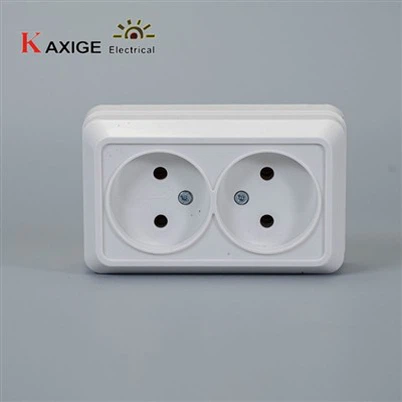
Let's take a look at some of our products. We have the 73B 2 Gang Sockets. These sockets are made from high - quality polycarbonate, which gives them excellent heat dissipation capabilities. The design of the 73B 2 Gang Sockets includes small ventilation holes around the edges. These holes allow air to circulate inside the socket, carrying away the heat generated by the electrical contacts.
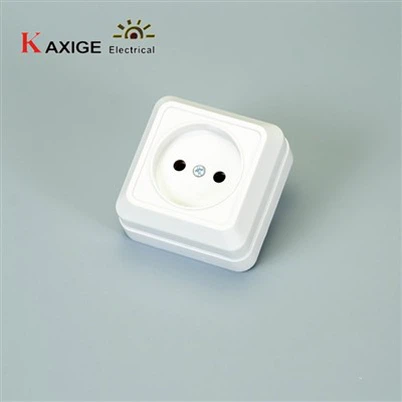
Our 73B 1 Gang Socket 2P is another great example. It also uses polycarbonate material, and the internal structure is optimized for heat transfer. The contacts inside the socket are made from high - conductivity copper, which not only reduces resistance (and thus heat generation) but also helps in conducting the heat away from the plastic body.
The 73B 2 Gang Sockets Grounding is designed with safety and heat dissipation in mind. The grounding feature helps in preventing electrical faults, and at the same time, the socket's design allows for efficient heat dissipation. The plastic used in this socket is treated to improve its thermal conductivity, so it can transfer heat more effectively to the surrounding environment.
To measure the heat dissipation performance of our white plastic sockets, we conduct a series of tests. We use thermal imaging cameras to monitor the temperature distribution on the surface of the socket during operation. We also measure the temperature inside the socket at different points. By comparing the temperatures before and after a certain period of use, we can determine how well the socket is dissipating heat.
In real - world applications, the heat dissipation performance of our white plastic sockets has been proven to be reliable. For example, in a home setting where multiple electrical devices are plugged in simultaneously, our sockets can handle the load without overheating. In commercial buildings, where the electrical demand is even higher, our sockets still maintain a safe operating temperature.
However, it's important to note that the heat dissipation performance can also be affected by external factors. If the socket is installed in a confined space with poor ventilation, it will have a harder time dissipating heat. Similarly, if the electrical devices plugged into the socket are faulty or draw excessive current, it can put more stress on the socket and reduce its heat dissipation efficiency.
So, if you're in the market for white plastic sockets, heat dissipation should definitely be on your list of considerations. Our products, like the 73B series, are designed to offer excellent heat dissipation performance, ensuring the safety and longevity of your electrical connections.
If you're interested in learning more about our white plastic sockets or would like to place an order, feel free to reach out. We're always happy to have a chat and discuss your specific needs. Whether you're a contractor working on a large - scale project or a homeowner looking to upgrade your electrical sockets, we've got you covered.
In conclusion, the heat dissipation performance of white plastic sockets is a crucial aspect that can't be overlooked. With the right choice of materials and design, these sockets can provide a safe and efficient solution for your electrical needs.
References:
- Electrical Engineering Handbook for Socket Design
- Studies on Heat Transfer in Plastic Electrical Components