What are the compatibility issues with smart home electric switches?
Leave a message

Smart home technology has revolutionized the way we interact with our living spaces, offering unparalleled convenience, energy efficiency, and control. Electric switches, as fundamental components of smart home systems, play a crucial role in this transformation. However, compatibility issues can arise when integrating these switches into existing or new smart home setups. As an electric switch supplier, I've encountered various compatibility challenges in the field. In this blog, I'll explore these issues in detail and provide insights on how to navigate them.
Compatibility with Smart Home Hubs
Smart home hubs act as the central control unit for all connected devices in a smart home ecosystem. They allow users to manage multiple devices from a single interface, often through a smartphone app or voice commands. One of the primary compatibility issues with smart home electric switches is their ability to communicate effectively with different types of smart home hubs.


Protocol Mismatch
Smart home devices use different communication protocols to transmit data. Some of the common protocols include Wi - Fi, ZigBee, Z - Wave, and Bluetooth. Each protocol has its own set of standards, frequencies, and data transfer rates. For example, Wi - Fi is widely used due to its high - speed data transfer and widespread availability, but it can consume more power. ZigBee and Z - Wave, on the other hand, are low - power protocols designed for home automation.
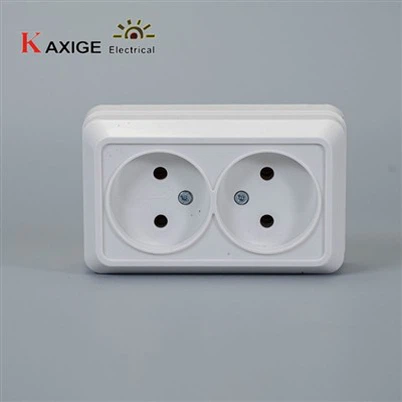
If a smart electric switch uses a different protocol than the smart home hub, they won't be able to communicate. For instance, a switch that operates on the ZigBee protocol won't work with a hub that only supports Z - Wave. As a supplier, we offer a range of switches that support multiple protocols to ensure compatibility with different hubs. Our 73B 2 Gang Switch is available in both Wi - Fi and ZigBee versions, giving customers the flexibility to choose based on their existing smart home setup.
Firmware and Software Compatibility
In addition to protocol issues, firmware and software compatibility can also pose problems. Smart home hubs and switches often receive regular updates to improve performance, add new features, and enhance security. However, if the switch's firmware is not compatible with the hub's software version, it may lead to connectivity issues or limited functionality.
For example, a new version of the hub's software may introduce changes to the communication protocol or user interface that the switch's firmware cannot support. To address this, we provide regular firmware updates for our switches and offer detailed documentation on how to perform these updates. We also recommend that customers check the compatibility matrix provided by both the switch and hub manufacturers before making a purchase.
Compatibility with Electrical Systems
Another critical aspect of smart home electric switch compatibility is their integration with existing electrical systems. Different regions have different electrical standards, including voltage, frequency, and wiring configurations.
Voltage and Frequency
The voltage and frequency of the electrical supply vary around the world. In the United States, the standard voltage is 120V at 60Hz, while in many European countries, it is 230V at 50Hz. Smart electric switches need to be designed to operate within the specific voltage and frequency range of the local electrical system.
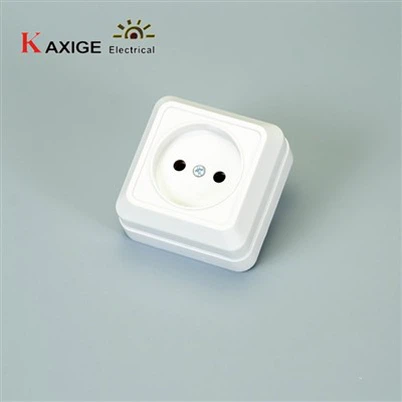
Using a switch rated for a different voltage can not only damage the switch but also pose a safety hazard. Our switches are available in different voltage ratings to meet the requirements of various markets. For example, our 73B 1 Gang Socket Grounding is available in both 120V and 230V versions, ensuring safe and reliable operation in different regions.
Wiring Configurations
Wiring configurations can also differ between homes and buildings. Some older buildings may have different wiring systems compared to new constructions. Smart electric switches need to be compatible with the existing wiring to be installed correctly.
For example, some switches require a neutral wire for proper operation, while others can work without it. If a switch that requires a neutral wire is installed in a system without one, it may not function correctly. We provide detailed installation guides for our switches, which include information on different wiring configurations and how to troubleshoot common wiring - related issues.
Compatibility with Other Smart Home Devices
Smart home electric switches are often part of a larger ecosystem that includes other smart devices such as smart bulbs, thermostats, and security cameras. Compatibility issues can arise when these devices try to interact with each other.
Device Interference
Multiple smart devices operating in the same area can cause interference, especially if they use the same frequency band. For example, Wi - Fi routers, smart speakers, and smart switches all operate in the 2.4GHz or 5GHz frequency bands. If too many devices are competing for the same frequency, it can lead to slow data transfer, dropped connections, or intermittent operation.
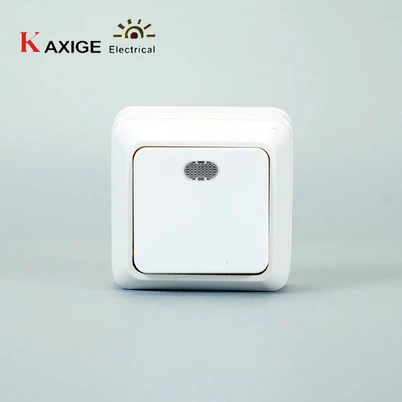
To minimize interference, we recommend that customers use devices that support different frequency bands or use signal - boosting devices. Our 73B 2 Gang Switch with Lamp Indicator is designed to have a low - interference operation, ensuring stable communication with other smart home devices.
Integration with Third - Party Apps
Many smart home users like to use third - party apps to control their devices. However, not all smart electric switches are compatible with every third - party app. Some switches may only work with the manufacturer's proprietary app, while others may support a wider range of third - party platforms.
As a supplier, we are constantly working to expand the compatibility of our switches with popular third - party apps. We also encourage customers to check the app compatibility list before purchasing a switch to ensure that it meets their specific needs.
Navigating Compatibility Issues
While compatibility issues can be frustrating, there are several steps that customers can take to ensure a smooth integration of smart home electric switches into their systems.
Research and Planning
Before purchasing a smart electric switch, customers should research the compatibility requirements of their existing smart home setup. This includes identifying the type of smart home hub they have, the electrical system in their home, and the other smart devices they want to integrate. By doing so, they can choose a switch that is compatible with their specific needs.
Consultation with Experts
If customers are unsure about the compatibility of a switch, they can consult with an electrician or a smart home expert. These professionals have the knowledge and experience to assess the electrical system and recommend the most suitable switch. As a supplier, we also offer technical support to help customers with installation and compatibility issues.
Testing and Troubleshooting
After installing a smart electric switch, it's important to test it thoroughly to ensure that it is working correctly. If any compatibility issues arise, customers can refer to the troubleshooting guides provided by the manufacturer or contact our support team for assistance.
Conclusion
Compatibility issues with smart home electric switches are a common challenge, but with the right knowledge and approach, they can be effectively managed. As an electric switch supplier, we are committed to providing high - quality, compatible products and excellent customer support. Our range of switches, including the 73B 2 Gang Switch, 73B 1 Gang Socket Grounding, and 73B 2 Gang Switch with Lamp Indicator, is designed to meet the diverse needs of smart home users.
If you are interested in purchasing our smart home electric switches or have any questions about compatibility, please feel free to contact us for a detailed consultation. We look forward to helping you create a seamless and efficient smart home experience.
References
- Smart Home Technology: A Comprehensive Guide, published by Tech Publishing House.
- Electrical Standards and Compatibility in Home Automation, an industry report by HomeTech Research Institute.
- Communication Protocols in Smart Home Devices, a white paper by IoT Solutions Group.