What are the best practices for using a light regulator switch in a stairway lighting system?
Leave a message

Hey there! As a supplier of light regulator switches, I've seen firsthand how these nifty devices can transform a stairway lighting system. In this blog, I'm gonna share some of the best practices for using a light regulator switch in a stairway, so you can make the most of your lighting setup.
Understanding the Basics of Light Regulator Switches
Before we dive into the best practices, let's quickly go over what a light regulator switch is. Simply put, it's a switch that allows you to control the brightness of your lights. This can be super useful in a stairway, where you might want different levels of light depending on the time of day or your needs.
There are a few different types of light regulator switches out there, but the most common ones are dimmer switches and smart switches. Dimmer switches let you manually adjust the brightness of your lights using a slider or a knob. Smart switches, on the other hand, can be controlled remotely using a smartphone app or a voice assistant like Amazon Alexa or Google Assistant.
Best Practices for Using a Light Regulator Switch in a Stairway
Now that you know what a light regulator switch is, let's talk about how to use it effectively in a stairway. Here are some best practices to keep in mind:
1. Choose the Right Switch for Your Needs
The first step in using a light regulator switch in a stairway is to choose the right one for your needs. As I mentioned earlier, there are dimmer switches and smart switches to choose from. If you prefer a more traditional approach, a dimmer switch might be the way to go. If you want the convenience of controlling your lights remotely, a smart switch is probably a better option.
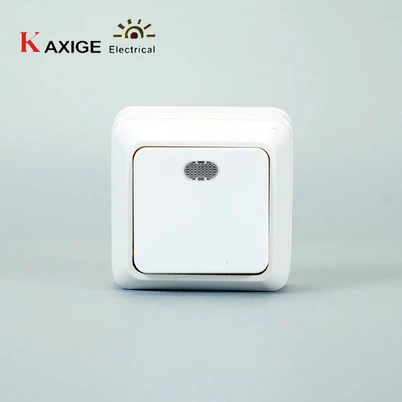
Another thing to consider is the number of gangs on the switch. A gang refers to the number of switches on a single plate. For a stairway, you might want to consider a 73B 1 Gang Switch if you only need to control one light fixture, or a 73B 2 Gang Switch if you have multiple fixtures.
2. Install the Switch in the Right Location
Once you've chosen the right switch, the next step is to install it in the right location. In a stairway, it's a good idea to install the switch at the top and bottom of the stairs. This way, you can turn the lights on and off as you enter or leave the stairway.
When installing the switch, make sure it's easily accessible and within reach. You don't want to have to stretch or bend over to reach the switch, especially if you're carrying something.
3. Set the Right Brightness Levels
One of the biggest advantages of using a light regulator switch in a stairway is that you can set the right brightness levels for different times of day and situations. For example, you might want to set the lights to a lower brightness level at night to create a more relaxing atmosphere. During the day, you can set the lights to a higher brightness level to make it easier to see.
To set the brightness levels, simply use the slider or knob on a dimmer switch, or the app or voice assistant on a smart switch. You can also set up schedules or scenes to automatically adjust the brightness levels at certain times of day.
4. Use the Switch in Combination with Other Lighting
In addition to using a light regulator switch, you might also want to consider using other types of lighting in your stairway. For example, you could install wall sconces or recessed lights to provide additional illumination. You could also use a 73B Switch and Socket Combination to provide both lighting and power outlets in the same location.


By using a combination of different types of lighting, you can create a more layered and interesting lighting design in your stairway.
5. Test the Switch Regularly
Finally, it's important to test the switch regularly to make sure it's working properly. This can help you catch any issues early on and prevent them from becoming bigger problems.
To test the switch, simply turn the lights on and off using the switch. You should also check the brightness levels to make sure they're adjusting correctly. If you notice any issues, such as the lights not turning on or off, or the brightness levels not adjusting properly, contact a professional electrician to have the switch checked.
Conclusion
Using a light regulator switch in a stairway can be a great way to improve the safety and functionality of your lighting system. By following these best practices, you can make the most of your light regulator switch and create a more comfortable and inviting environment in your stairway.
If you're interested in learning more about our light regulator switches or other lighting products, please don't hesitate to contact us. We'd be happy to help you find the right products for your needs and answer any questions you might have.
References
- Electrical Safety Foundation International. (n.d.). Lighting Safety. Retrieved from https://www.esfi.org/lighting-safety
- HomeAdvisor. (n.d.). How to Install a Dimmer Switch. Retrieved from https://www.homeadvisor.com/r/how-to-install-a-dimmer-switch/
- SmartThings. (n.d.). What is a Smart Switch? Retrieved from https://www.smartthings.com/what-is-a-smart-switch