How to wire a double lamp switch in parallel?
Leave a message

Wiring a double lamp switch in parallel is a practical skill that can enhance the functionality and convenience of your lighting system. As a supplier of high - quality double lamp switches, I'm here to guide you through the process step by step.
Understanding the Basics of Parallel Wiring
Before we start wiring, it's essential to understand what parallel wiring means. In a parallel circuit, each component (in this case, the lamps controlled by the double switch) has its own independent path to the power source. This means that if one lamp fails, the other will continue to work. The voltage across each component in a parallel circuit remains the same, while the current is divided among the components according to their resistance.
Tools and Materials Needed
To wire a double lamp switch in parallel, you'll need the following tools and materials:


- A double lamp switch. Our company offers a variety of high - quality double lamp switches that are durable and easy to install.
- Electrical wires. Make sure to choose wires with the appropriate gauge for your electrical load.
- A screwdriver for removing and attaching electrical covers and terminals.
- Wire strippers to expose the wire ends for connection.
- Electrical tape to insulate the connections and prevent short circuits.
Safety Precautions
Safety should always be your top priority when working with electricity. Before you begin any wiring work:
- Turn off the power at the circuit breaker or fuse box to the area where you'll be working. Use a voltage tester to confirm that the power is off.
- Wear insulated gloves and safety glasses to protect yourself from electrical shocks and potential debris.
- Make sure the work area is dry and free from any flammable materials.
Step - by - Step Wiring Process
Step 1: Prepare the Work Area
Remove the existing switch cover and any other electrical covers that may be in the way. Carefully inspect the electrical box to ensure it's in good condition and has enough space for the new double lamp switch.
Step 2: Identify the Wires
In most cases, you'll have three main types of wires: the hot wire (usually black or red), the neutral wire (usually white), and the ground wire (usually green or bare copper). The hot wire carries the electrical current from the power source, the neutral wire provides the return path for the current, and the ground wire is a safety measure to protect against electrical faults.
Step 3: Connect the Ground Wire
Connect the ground wire from the electrical box to the grounding terminal on the double lamp switch. This is usually a green - colored screw. Use a screwdriver to tighten the connection securely. The grounding wire helps prevent electrical shocks in case of a short circuit.
Step 4: Connect the Hot Wires
The hot wire from the power source needs to be connected to the common terminal on the double lamp switch. There are usually two brass - colored terminals on a double switch. One is the common terminal, and the other two are the traveler terminals. Connect the hot wire to the common terminal.
Then, connect the hot wires that lead to the two lamps to the traveler terminals. These wires will carry the current to the lamps when the switch is turned on. Make sure to strip the wire ends about 3/4 inch and insert them into the appropriate terminals. Tighten the terminal screws firmly to ensure a good electrical connection.
Step 5: Connect the Neutral Wires
Connect the neutral wires from the power source and the lamps together in the electrical box. You can use a wire nut to join the neutral wires. Twist the wire nut clockwise onto the exposed wire ends until it's tight. Then, cover the connection with electrical tape for added insulation.
Step 6: Mount the Double Lamp Switch
Carefully place the double lamp switch into the electrical box and secure it with the mounting screws. Make sure the switch is level and flush with the wall.
Step 7: Re - attach the Switch Cover
Once the switch is securely mounted, re - attach the switch cover. Make sure all the screws are tightened properly.
Step 8: Restore Power and Test
Go back to the circuit breaker or fuse box and turn the power back on. Flip the double lamp switch on and off to test if both lamps are working properly. If one or both lamps don't work, turn off the power again and check your connections.
Additional Considerations
- If you're wiring multiple double lamp switches in parallel to control multiple sets of lamps, the process is similar. Just make sure to connect the hot wires from each switch in parallel to the power source and the neutral wires together.
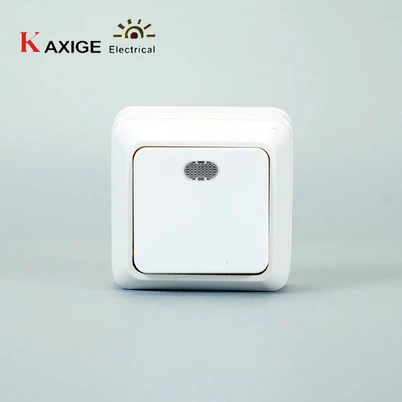
- For more advanced lighting control, you may consider using a 73V 2 Gang Switch with Lamp Indicator. This switch not only allows you to control two lamps but also has a lamp indicator that shows when the switch is on.
- If you need to add an additional outlet in the same area, you can use a 73V 1 Gang Socket Grounding. It provides a safe and convenient way to power other electrical devices.
Troubleshooting
- If the lamps flicker, it could be due to a loose connection. Turn off the power and check all the wire connections to make sure they're tight.
- If the switch gets hot, it may be overloaded. Check the electrical load of the lamps and make sure they're within the switch's rated capacity.
- If one lamp works but the other doesn't, check the connection to the non - working lamp. It could be a loose wire or a faulty lamp.
Conclusion
Wiring a double lamp switch in parallel is a relatively straightforward process if you follow the steps carefully and take the necessary safety precautions. As a double lamp switch supplier, we're committed to providing you with high - quality products and useful information to make your electrical projects a success.
If you're interested in purchasing our double lamp switches or other related products such as the 73V 2 Gang Switch, we welcome you to contact us for more details and to discuss your specific requirements. Our team of experts is ready to assist you in finding the best solutions for your lighting needs.
References
- National Electrical Code (NEC) Handbook.
- Electrical Wiring Residential textbooks.
- Manufacturer's instructions for double lamp switches and related electrical components.