How to determine if old switches and sockets are still in good condition?
Leave a message

Determining if old switches and sockets are still in good condition is a crucial task, whether you're a homeowner looking to ensure safety or a professional in the electrical industry. As a supplier of old switches and sockets, I've encountered numerous situations where customers need guidance on assessing the functionality and safety of these essential electrical components. In this blog, I'll share some valuable insights and practical methods to help you make an informed decision.
Visual Inspection
The first step in evaluating old switches and sockets is a thorough visual inspection. Start by examining the physical appearance of the devices. Look for any signs of damage, such as cracks, chips, or burns on the plastic casing. These can indicate overheating or physical stress, which may compromise the safety and performance of the switch or socket.
Check the faceplate for discoloration or warping. A yellowed or distorted faceplate could be a sign of excessive heat exposure, which might be caused by a loose connection or overloading. Additionally, inspect the mounting screws to ensure they are tight and secure. Loose screws can lead to poor electrical contact and increase the risk of arcing.
Examine the contacts inside the socket or switch. They should be clean, free of corrosion, and show no signs of pitting or melting. Corroded contacts can cause resistance, leading to overheating and potential fire hazards. If you notice any significant corrosion or damage to the contacts, it's advisable to replace the switch or socket.
Functionality Testing
Once you've completed the visual inspection, it's time to test the functionality of the switches and sockets. For switches, turn them on and off several times to ensure they operate smoothly and without any hesitation. A switch that sticks or requires excessive force to operate may be worn out and should be replaced.
Test the sockets by plugging in a known working device, such as a lamp or a charger. Make sure the device powers on and functions properly. If the device doesn't work or flickers when plugged in, it could indicate a problem with the socket, such as a loose connection or a faulty contact.
You can also use a voltage tester to check if the socket is receiving power. Simply insert the tester into the socket, and it will indicate whether there is voltage present. This can help you identify any issues with the electrical supply to the socket.
Grounding Check
Proper grounding is essential for the safety of electrical devices and users. To determine if an old socket has proper grounding, you can use a grounding tester. This device will indicate whether the socket is grounded correctly.


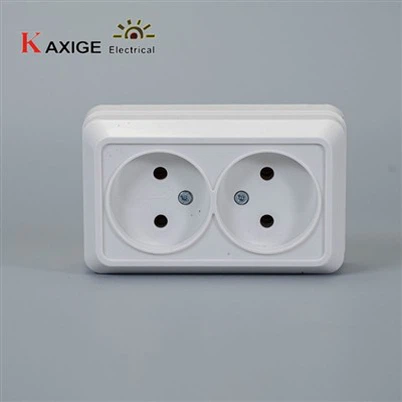
For example, our 73B 2 Gang Sockets and 73B 2 Gang Sockets Grounding are designed with reliable grounding features. If you're unsure about the grounding of your old sockets, it's important to have them inspected by a qualified electrician.
Another way to check grounding is to look for the grounding prong on the socket. A properly grounded socket will have a third prong, which is connected to the grounding wire in the electrical system. If the socket doesn't have a grounding prong or if the prong is damaged, it may not be grounded correctly.
Age and Usage Considerations
The age and usage of switches and sockets can also provide valuable clues about their condition. Generally, electrical components have a limited lifespan, and older switches and sockets are more likely to experience wear and tear. If your switches and sockets are more than 10-15 years old, it's a good idea to consider replacing them, even if they appear to be in good condition.
Heavy usage can also accelerate the deterioration of switches and sockets. For example, sockets that are frequently used to power high-wattage devices, such as heaters or air conditioners, may experience more stress and wear. If you notice any signs of overheating or damage in these high-usage sockets, it's important to replace them promptly.
Professional Inspection
While the methods described above can help you assess the condition of old switches and sockets, it's always a good idea to have a professional electrician perform a comprehensive inspection. A qualified electrician has the expertise and tools to detect hidden problems and ensure that your electrical system is safe and up to code.
During a professional inspection, the electrician will test the electrical circuits, check the grounding, and evaluate the overall condition of the switches and sockets. They can also provide recommendations on whether to repair or replace any faulty components.
Conclusion
Determining if old switches and sockets are still in good condition requires a combination of visual inspection, functionality testing, and consideration of age and usage. By following the steps outlined in this blog, you can identify potential issues and take appropriate action to ensure the safety and reliability of your electrical system.
As a supplier of old switches and sockets, I understand the importance of providing high-quality products that meet the highest safety standards. If you're in the market for reliable switches and sockets, I encourage you to explore our range of products, including the 73B 2 Gang Sockets and related grounding options.
If you have any questions or would like to discuss your specific requirements, please don't hesitate to contact me for a procurement discussion. I'm here to help you find the right solutions for your electrical needs.
References
- Electrical Safety Foundation International. (n.d.). Electrical Safety Tips. Retrieved from [Website URL]
- National Fire Protection Association. (n.d.). Electrical Safety Codes and Standards. Retrieved from [Website URL]