How to check if a white plastic socket is working properly?
Leave a message

Hey there! As a supplier of white plastic sockets, I often get asked about how to check if these sockets are working properly. It's super important to ensure that your sockets are in tip - top shape for safety and functionality reasons. So, let's dive right into it.
Visual Inspection
The first step in checking if a white plastic socket is working is a simple visual inspection. Start by looking at the exterior of the socket. Check for any visible cracks, burns, or signs of damage on the plastic housing. Cracks can expose the electrical components inside, which is a huge safety hazard. If you see any burn marks, it could mean there has been an overheating issue, maybe due to a short - circuit or an overloaded circuit.
Also, make sure the socket is properly mounted on the wall. Loose sockets can cause poor connections, which might lead to flickering lights or electrical appliances not functioning correctly. If you notice the socket is wobbly, it's a sign that it needs to be tightened or replaced.
Circuit Breaker Check
Before you start any hands - on testing, it's a good idea to check the circuit breaker related to the socket. Locate your home's electrical panel and find the breaker switch for the area where the white plastic socket is installed. If the breaker has tripped (it will usually be in the “off” position instead of “on”), flip it back to the “on” position.


Sometimes, the breaker trips because of a temporary overload, like when you plug in too many high - wattage appliances at once. However, if the breaker keeps tripping every time you flip it on, there could be a more serious problem, such as a short - circuit in the socket or the wiring leading to it.
Using a Plug - in Tester
One of the easiest ways to check if a white plastic socket is working is by using a plug - in electrical tester. These testers are inexpensive and widely available at hardware stores.
To use a plug - in tester, simply insert it into the socket. The tester will have a series of lights that indicate the status of the socket. If all the lights on the tester light up correctly, it usually means that the socket is wired correctly and is providing power. For example, a common tester might have lights for hot, neutral, and ground. If the “hot” light is on, it means the socket is getting power; if the “neutral” light is on, the neutral connection is good; and if the “ground” light is on, the grounding is working as it should.
If one or more of the lights on the tester don't come on, it indicates a problem. A missing “hot” light could mean there's no power reaching the socket, perhaps due to a broken wire or a tripped breaker. A missing “neutral” light might suggest a loose or broken neutral wire. And a missing “ground” light could be a sign of a grounding issue, which is a serious safety concern.
Testing with an Appliance
Another way to check the functionality of a white plastic socket is by plugging in a small, known - working appliance. A lamp is a great choice for this test. Plug the lamp into the socket and turn it on. If the lamp lights up, it's a good sign that the socket is working. However, if the lamp doesn't light up, there could be a problem with the socket.
But don't just stop at one test. Try plugging the lamp into different sockets in the area to make sure it's not a problem with the lamp itself. If the lamp works in other sockets but not in the one you're testing, then the issue is likely with that particular white plastic socket.
Checking the Receptacle Contacts
Over time, the contacts inside the socket can wear out or become loose. To check the receptacle contacts, you can use a small, flat - tip screwdriver. First, make sure the power to the socket is turned off at the circuit breaker to avoid getting shocked.
Gently pry open the socket cover to expose the contacts. Look at the contacts and see if they're bent, corroded, or loose. If the contacts are bent, you can try straightening them carefully with the screwdriver. Corroded contacts can sometimes be cleaned with a small amount of electrical contact cleaner. If the contacts are loose, you may need to replace the socket.
Our White Plastic Socket Products
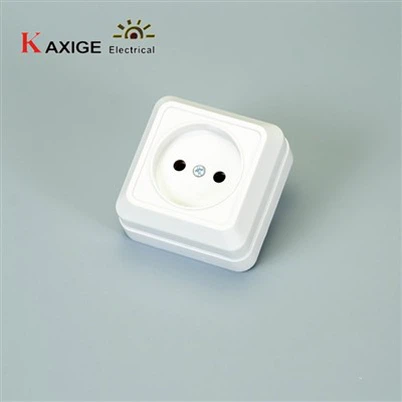
We offer a wide range of high - quality white plastic sockets. For example, our 73B 1 Gang Socket Grounding is perfect for single - appliance use. It has excellent grounding, which adds an extra layer of safety. The 73B series is known for its durability and reliability.
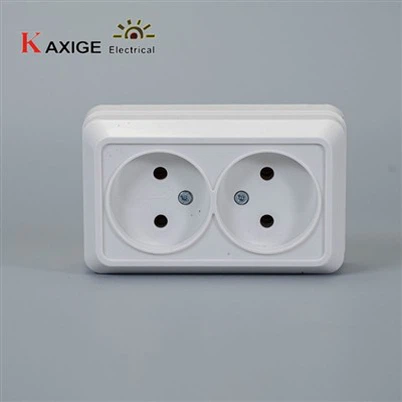
If you need to power multiple appliances, our 73B 2 Gang Sockets Grounding is a great option. It provides two separate outlets in one compact unit, making it convenient for use in kitchens, living rooms, or offices.
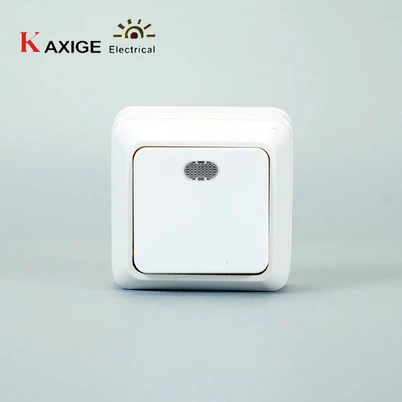
We also have the 73B 2 Gang Switch with Lamp Indicator. This switch not only controls the power to your sockets but also has a lamp indicator that shows when the switch is on, which is really handy in the dark.
Conclusion
Checking if a white plastic socket is working properly is not that difficult. By following these simple steps of visual inspection, circuit breaker check, using a plug - in tester, testing with an appliance, and checking the receptacle contacts, you can ensure that your sockets are safe and functional.
If you're in the market for high - quality white plastic sockets, we're here to help. We pride ourselves on providing top - notch products that meet the highest safety standards. Whether you're a homeowner looking to replace a few old sockets or a contractor working on a big project, we've got the right products for you. Reach out to us to discuss your requirements and start a great business relationship!
References
- Electrical Safety Foundation International. (20XX). Home Electrical Safety Guide.
- National Electrical Code (NEC). (Latest Edition).