Do variable light switches cause flickering in bulbs?
Leave a message

Do Variable Light Switches Cause Flickering in Bulbs?
As a supplier of variable light switches, I've been frequently asked whether our products can cause flickering in bulbs. This is a valid concern, as flickering not only affects the visual comfort but may also be an indication of potential electrical issues. In this blog post, I'll delve into the science behind variable light switches and explore the possible reasons for bulb flickering.
Understanding Variable Light Switches
Variable light switches, also known as dimmer switches, offer the flexibility to adjust the brightness of a light source according to your needs. They work by altering the electrical current flowing through the bulb. Unlike traditional on - off switches that either allow full current or no current to pass, variable light switches can control the amount of current, thus dimming or brightening the bulb.
The most common types of variable light switches are leading - edge dimmers and trailing - edge dimmers. Leading - edge dimmers are typically used with incandescent and halogen bulbs. They work by chopping off the leading edge of the alternating current (AC) waveform, which reduces the average voltage supplied to the bulb. Trailing - edge dimmers, on the other hand, are more suitable for LED and fluorescent bulbs. They chop off the trailing edge of the AC waveform, providing a smoother and more efficient way of dimming.
Possible Causes of Bulb Flickering with Variable Light Switches
-
Incompatible Bulb and Switch Combination
One of the most common reasons for bulb flickering is the mismatch between the variable light switch and the bulb. Different bulbs have different electrical characteristics, and not all bulbs are compatible with all types of dimmers. For example, incandescent bulbs have a simple resistive load, and they work well with leading - edge dimmers. However, LED bulbs have a more complex electronic driver, and they require a trailing - edge dimmer or a dimmer specifically designed for LEDs. Using an incompatible dimmer can cause the LED driver to malfunction, resulting in flickering. -
Poor Electrical Connection
Another cause of flickering can be a poor electrical connection. If the wiring in the switch box is loose, corroded, or damaged, it can lead to inconsistent power supply to the bulb. This inconsistent power can cause the bulb to flicker. It's important to ensure that all connections are tight and secure when installing a variable light switch. Even a small amount of loose wiring can cause problems over time. -
Overloading the Switch
Variable light switches have a maximum load capacity, which is the maximum wattage of bulbs they can safely control. If you connect bulbs with a total wattage that exceeds the switch's capacity, it can cause the switch to overheat and the bulbs to flicker. For example, if a dimmer switch is rated for a maximum of 600 watts and you connect bulbs with a total wattage of 800 watts, the switch will be overloaded. Always check the switch's specifications and make sure you don't exceed its load capacity. -
Electrical Interference
Electrical interference from other devices in the circuit can also cause bulb flickering. Devices such as motors, transformers, and some types of electronic equipment can generate electrical noise that can interfere with the operation of the variable light switch. This interference can disrupt the normal flow of current to the bulb, resulting in flickering. To minimize electrical interference, it may be necessary to use shielded wiring or install filters in the circuit.
How Our Variable Light Switches Address These Issues
At our company, we understand the importance of providing high - quality variable light switches that are compatible with a wide range of bulbs and minimize the risk of flickering. Our switches are carefully designed and tested to ensure compatibility with different types of bulbs, including incandescent, halogen, LED, and fluorescent bulbs.
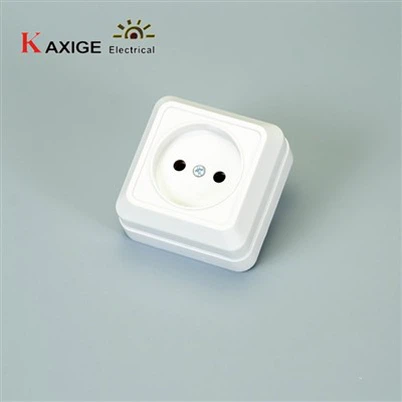
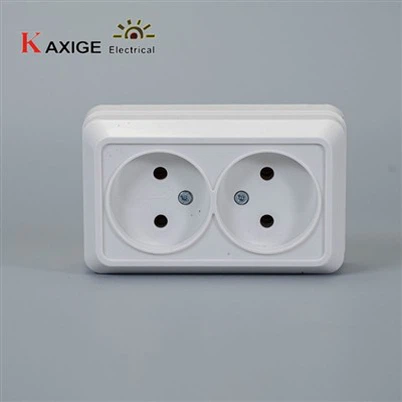
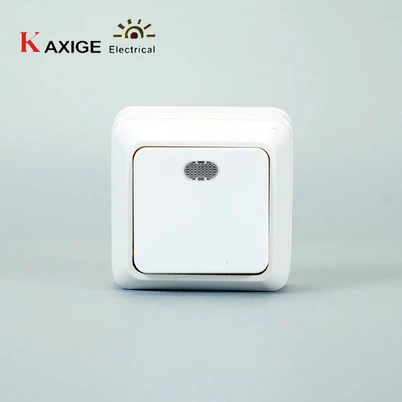
We offer a variety of products, such as the 73B 2 Gang Switch with Lamp Indicator, the 73B 1 Gang Socket Grounding, and the 73B 1 Gang Switch with Lamp Indicator. These products are built with high - quality materials and advanced electrical components to ensure reliable performance.


Our engineers follow strict quality control procedures during the manufacturing process. We test each switch to ensure that it can handle the specified load and that it provides a stable and consistent current to the bulbs. Our switches are also designed to be resistant to electrical interference, reducing the likelihood of flickering caused by external factors.
Tips to Prevent Bulb Flickering
- Choose the Right Switch for Your Bulbs
Before purchasing a variable light switch, make sure to check the compatibility with your bulbs. If you're using LED bulbs, look for a dimmer switch that is specifically labeled for LED use. For incandescent and halogen bulbs, a leading - edge dimmer should work well. - Professional Installation
It's important to have your variable light switch installed by a qualified electrician. A professional installer will ensure that the wiring is done correctly and that all connections are tight and secure. This can significantly reduce the risk of flickering due to poor electrical connections. - Monitor the Load
Keep track of the total wattage of the bulbs connected to the switch. Make sure it doesn't exceed the switch's maximum load capacity. If you need to control a large number of bulbs, consider using multiple switches or a switch with a higher load rating.
Conclusion
In conclusion, while variable light switches can potentially cause bulb flickering, this issue can be effectively managed by choosing the right switch - bulb combination, ensuring proper installation, and avoiding overloading. Our company is committed to providing high - quality variable light switches that offer reliable performance and minimize the risk of flickering.
If you're interested in purchasing our variable light switches or have any questions about our products, we encourage you to contact us for further discussion. We're here to help you find the best solutions for your lighting needs.
References
- "Electrical Wiring Handbook" by Mike Holt
- "LED Lighting Handbook" by EDN Editors