Do musical doorbell chimes have a self - diagnostic function?
Leave a message

In the world of home automation and smart living, musical doorbell chimes have emerged as a popular choice for homeowners seeking to add a touch of personality and charm to their residences. As a leading supplier of musical doorbell chimes, I often encounter inquiries from customers about the features and capabilities of these innovative devices. One question that frequently arises is whether musical doorbell chimes have a self-diagnostic function. In this blog post, I will explore this topic in detail, shedding light on the self-diagnostic capabilities of musical doorbell chimes and their importance in ensuring optimal performance.
Understanding Self-Diagnostic Functions
Before delving into the specifics of musical doorbell chimes, it is essential to understand what a self-diagnostic function entails. In the context of electronic devices, a self-diagnostic function refers to the ability of a device to monitor its own performance, detect potential issues, and provide feedback to the user. This feature is particularly valuable in ensuring the reliability and longevity of electronic devices, as it allows users to identify and address problems before they escalate into more significant issues.
Self-Diagnostic Functions in Musical Doorbell Chimes
Many modern musical doorbell chimes are equipped with self-diagnostic functions that help ensure their proper operation. These functions can vary depending on the specific model and manufacturer, but they generally serve to monitor various aspects of the doorbell chime's performance, such as power supply, signal reception, and speaker functionality.
Power Supply Monitoring
One of the primary functions of a self-diagnostic system in a musical doorbell chime is to monitor the power supply. A stable power supply is crucial for the proper operation of the doorbell chime, and any fluctuations or interruptions in the power can cause the device to malfunction. The self-diagnostic function can detect issues such as low voltage, overvoltage, or power outages and alert the user through visual or auditory signals.
Signal Reception Monitoring
Another important aspect of a musical doorbell chime's performance is its ability to receive signals from the doorbell button. The self-diagnostic function can monitor the signal strength and quality, ensuring that the doorbell chime receives the signal correctly and plays the selected melody without any issues. If the signal is weak or distorted, the self-diagnostic system can alert the user, allowing them to take steps to improve the signal reception, such as adjusting the position of the doorbell button or the chime unit.
Speaker Functionality Monitoring
The speaker is an essential component of a musical doorbell chime, as it is responsible for producing the sound. The self-diagnostic function can monitor the speaker's performance, checking for issues such as low volume, distorted sound, or speaker failure. If a problem is detected, the self-diagnostic system can alert the user, enabling them to replace the speaker or take other appropriate measures to restore the sound quality.
Benefits of Self-Diagnostic Functions
The inclusion of self-diagnostic functions in musical doorbell chimes offers several benefits to both homeowners and suppliers.
For Homeowners
- Peace of Mind: Knowing that their doorbell chime is equipped with a self-diagnostic function gives homeowners peace of mind, as they can be confident that the device will alert them if there are any issues. This allows them to address problems promptly, ensuring that their doorbell chime continues to function properly.
- Cost Savings: By detecting and alerting users to potential issues early on, self-diagnostic functions can help homeowners avoid costly repairs or replacements. This can save them money in the long run and ensure that their investment in a musical doorbell chime lasts for many years.
- Ease of Use: Self-diagnostic functions make it easier for homeowners to maintain their doorbell chimes, as they do not need to be technical experts to identify and address problems. The clear and straightforward alerts provided by the self-diagnostic system allow homeowners to take appropriate action quickly and easily.
For Suppliers
- Customer Satisfaction: Offering musical doorbell chimes with self-diagnostic functions can enhance customer satisfaction, as it demonstrates the supplier's commitment to providing high-quality and reliable products. Customers are more likely to be satisfied with a product that can detect and alert them to potential issues, as it shows that the supplier has taken steps to ensure the product's performance and durability.
- Reduced Support Requests: Self-diagnostic functions can help reduce the number of support requests received by suppliers, as homeowners are more likely to be able to identify and address problems on their own. This can save suppliers time and resources, allowing them to focus on other aspects of their business.
- Competitive Advantage: In a competitive market, offering musical doorbell chimes with self-diagnostic functions can give suppliers a competitive advantage. Customers are increasingly looking for products that offer advanced features and functionality, and self-diagnostic functions can set a supplier's products apart from the competition.
Related Products and Their Role
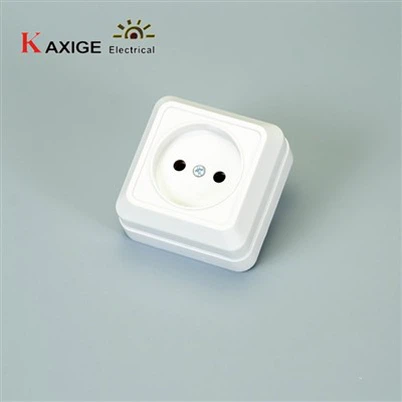
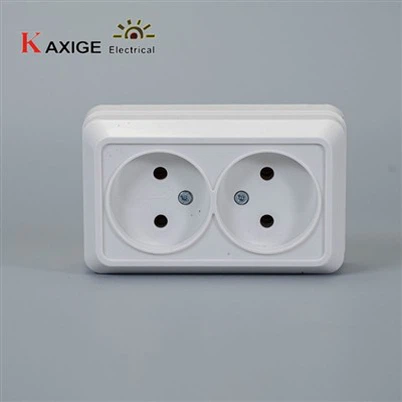
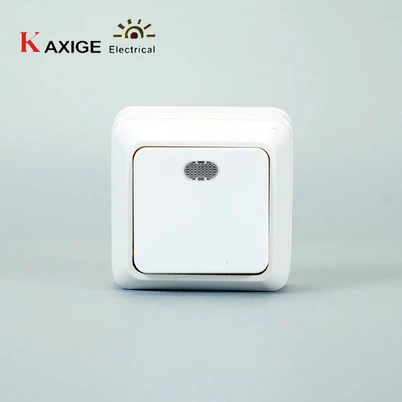
In addition to musical doorbell chimes, other products such as wall switches and sockets play an important role in the overall functionality of a home's electrical system. For example, the 73B 2 Gang Switch provides a convenient way to control multiple electrical devices from a single location, while the 73B 2 Gang Sockets offer additional power outlets for various appliances. The 73B 1 Gang Socket Grounding ensures the safety of electrical connections by providing a proper grounding path. These products work in conjunction with musical doorbell chimes to create a seamless and efficient home electrical system.
Conclusion
In conclusion, many modern musical doorbell chimes are equipped with self-diagnostic functions that play a crucial role in ensuring their proper operation. These functions monitor various aspects of the doorbell chime's performance, such as power supply, signal reception, and speaker functionality, and alert the user if any issues are detected. The inclusion of self-diagnostic functions offers several benefits to both homeowners and suppliers, including peace of mind, cost savings, and a competitive advantage. If you are in the market for a musical doorbell chime, I encourage you to consider a model that offers self-diagnostic capabilities.


As a supplier of high-quality musical doorbell chimes, I am committed to providing our customers with the best products and services. If you have any questions or would like to discuss your specific requirements, please feel free to reach out to us. We look forward to the opportunity to work with you and help you find the perfect musical doorbell chime for your home.
References
- Manufacturer's documentation for musical doorbell chimes
- Industry reports on home automation and smart living trends