Do illuminated switches have a touch - sensitive design?
Leave a message

Illuminated switches have become a popular choice in modern interior design, offering both functionality and aesthetic appeal. One question that often arises is whether illuminated switches have a touch - sensitive design. As a supplier of illuminated switches, I'm here to explore this topic in detail.
The Basics of Illuminated Switches
Illuminated switches are designed to provide a visual cue, making them easier to locate in the dark. This is particularly useful in areas such as hallways, bedrooms, and bathrooms. The illumination can be achieved through various means, including LED lights integrated into the switch mechanism. These lights can be either always on or activated when the switch is in use.
Traditional illuminated switches typically feature a mechanical design. When you press the switch, a physical contact is made or broken, which controls the flow of electricity to the connected device. This design has been around for a long time and is known for its reliability and durability. However, with the advancement of technology, touch - sensitive designs have emerged as an alternative.
Touch - Sensitive Design in Illuminated Switches
Touch - sensitive illuminated switches operate on a different principle. Instead of a physical button press, they use capacitive or resistive touch technology to detect the presence of a finger. When you touch the surface of the switch, it registers the change in electrical capacitance or resistance and activates the switch accordingly.
One of the main advantages of touch - sensitive illuminated switches is their sleek and modern appearance. They often have a smooth, flat surface that can blend seamlessly with contemporary interior designs. This minimalist look is highly sought after by architects and homeowners alike.
In addition to their aesthetic appeal, touch - sensitive switches offer enhanced functionality. They can be programmed to perform multiple functions, such as dimming lights or controlling different electrical devices with a single touch. Some models even support gesture control, allowing you to perform actions like swiping or double - tapping to achieve specific results.
However, touch - sensitive illuminated switches also have some drawbacks. They can be more expensive than traditional mechanical switches due to the advanced technology involved. Additionally, they may be more prone to false activations, especially if the surface is dirty or wet. Maintenance can also be more challenging, as any damage to the touch - sensitive surface may require professional repair.
Our Product Range
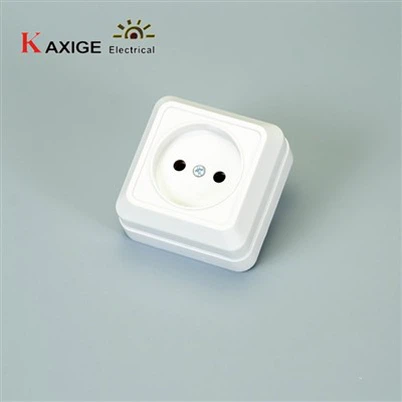
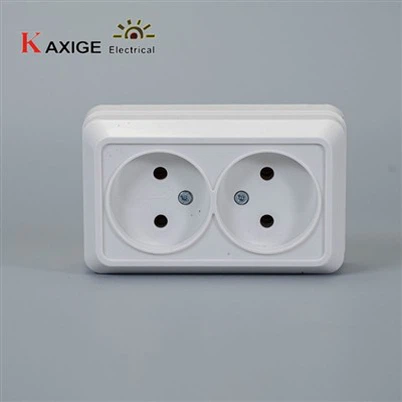
As a supplier of illuminated switches, we offer a diverse range of products to meet different customer needs. Our 73B 1 Gang Socket Grounding is a reliable option for those who require a basic illuminated socket with grounding protection. It features a traditional mechanical design that ensures long - term durability and stable performance.
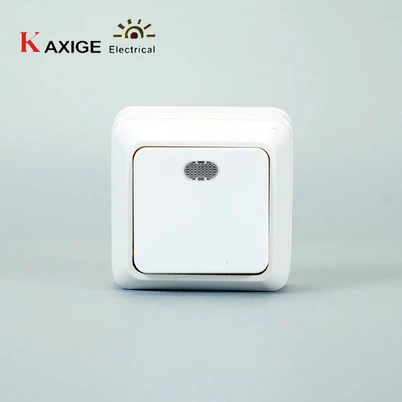
For customers looking for a more advanced option, our 73B 2 Gang Switch with Lamp Indicator combines the functionality of a two - gang switch with a built - in lamp indicator. This switch can be used to control two separate electrical circuits and provides a clear visual indication of its status.
We also offer the 73B 2 Gang Switch, which is available in both mechanical and touch - sensitive designs. The touch - sensitive version of this switch offers a modern and convenient way to control your lighting or other electrical devices. It has a high - quality capacitive touch surface that responds quickly and accurately to your touch.
Considerations When Choosing
When deciding whether to choose a touch - sensitive or traditional illuminated switch, there are several factors to consider. First, think about your budget. If cost is a major concern, a traditional mechanical switch may be the better option. However, if you are willing to invest in a more advanced and stylish solution, a touch - sensitive switch could be worth the extra expense.
Next, consider the environment in which the switch will be installed. If the area is prone to moisture or dirt, a traditional switch may be more suitable as it is less likely to be affected by these conditions. On the other hand, if you are looking for a switch in a clean and dry environment, such as a living room or office, a touch - sensitive switch can offer a more modern and convenient experience.
Finally, think about your personal preferences. Some people prefer the tactile feedback of a physical button press, while others enjoy the smooth and effortless operation of a touch - sensitive switch. Consider which type of interaction you find more comfortable and intuitive.


Conclusion
In conclusion, illuminated switches can have a touch - sensitive design, and this option offers both advantages and disadvantages. As a supplier, we understand the diverse needs of our customers and strive to provide a wide range of products to meet those needs. Whether you prefer the reliability of a traditional mechanical switch or the modern functionality of a touch - sensitive switch, we have the right solution for you.
If you are interested in learning more about our illuminated switches or would like to discuss your specific requirements, please feel free to reach out to us. We are always happy to assist you in finding the perfect switch for your project.
References
- "Capacitive Touch Sensing: Theory and Applications" by Texas Instruments
- "Illuminated Switches: Design and Technology" by Electrical Engineering Journal
- "Touch - Sensitive Technology in Home Automation" by Home Technology Magazine