Can an AC dimmer switch be used with LED lights?
Leave a message

Can an AC dimmer switch be used with LED lights? This is a question that many consumers and professionals in the lighting industry often ask. As a supplier of AC dimmer switches, I'd like to delve into this topic to provide a comprehensive understanding.
The Compatibility Basics
LED lights have become increasingly popular in recent years due to their energy - efficiency, long lifespan, and environmental friendliness. However, unlike traditional incandescent bulbs, LEDs operate on a different electrical principle. Incandescent bulbs are resistive loads, which means they convert electrical energy into heat and light simply by passing current through a resistive filament. In contrast, LEDs are semiconductor devices that require a specific voltage and current to function correctly.
AC dimmer switches, on the other hand, are designed to control the amount of power delivered to a load by varying the phase angle of the alternating current. This method works well with resistive loads like incandescent bulbs, as the power reduction results in a proportional decrease in light output. But when it comes to LEDs, the situation is more complex.
The main issue is that LEDs need a stable and regulated power supply. If an incompatible dimmer switch is used, it can cause problems such as flickering, buzzing, or even premature failure of the LED lights. This is because the phase - control method of traditional AC dimmer switches may not be suitable for the sensitive electronics inside LEDs.
Types of AC Dimmer Switches and LED Compatibility
There are several types of AC dimmer switches, and their compatibility with LED lights varies.
Leading - Edge Dimmers
Leading - edge dimmers are the most common type of dimmer switches used with incandescent bulbs. They work by chopping off the leading edge of the AC waveform. However, these dimmers are generally not well - suited for LED lights. The abrupt change in voltage at the leading edge of the waveform can cause electrical interference, which leads to flickering and other issues in LEDs.


Trailing - Edge Dimmers
Trailing - edge dimmers, on the other hand, chop off the trailing edge of the AC waveform. They are more compatible with LED lights because they provide a smoother transition of power. The gradual reduction in voltage is less likely to cause electrical interference, making them a better choice for dimming LEDs.
Universal Dimmers
Some manufacturers have developed universal dimmers that are designed to work with a wide range of load types, including LEDs. These dimmers use advanced technology to adjust their operation based on the characteristics of the connected load. They can detect whether the load is an incandescent bulb, a fluorescent lamp, or an LED light and adjust the dimming mechanism accordingly.
Factors Affecting Compatibility
Apart from the type of dimmer switch, several other factors can affect the compatibility between AC dimmer switches and LED lights.
LED Driver
The LED driver is a crucial component that regulates the power supply to the LEDs. Different LED drivers have different dimming requirements. Some LED drivers are designed to work specifically with trailing - edge dimmers, while others may be compatible with universal dimmers. It's important to check the manufacturer's specifications to ensure that the LED driver is compatible with the chosen dimmer switch.
Load Capacity
The load capacity of the dimmer switch is another important factor. Dimmer switches are rated for a certain maximum wattage. If the total wattage of the connected LED lights exceeds the rated capacity of the dimmer switch, it can cause overheating and other safety issues. It's essential to calculate the total wattage of the LEDs and choose a dimmer switch with an appropriate load capacity.
Number of Lights
The number of LED lights connected to a dimmer switch can also affect compatibility. Connecting too many lights to a single dimmer can cause problems, especially if the lights have different electrical characteristics. It's often recommended to group similar LED lights together and use separate dimmer switches if necessary.
Benefits of Using AC Dimmer Switches with LED Lights
Despite the challenges, using an AC dimmer switch with LED lights can offer several benefits.
Energy Savings
Dimming LED lights can significantly reduce energy consumption. By lowering the light output when full brightness is not required, you can save on electricity bills. For example, in a room where you only need soft ambient lighting in the evening, dimming the LEDs can reduce energy usage by up to 50%.
Mood and Ambiance
Dimmers allow you to create different moods and atmospheres in a space. You can adjust the light level to suit different activities, such as reading, dining, or relaxing. This flexibility enhances the comfort and functionality of the space.
Extended Lifespan of LEDs
Operating LEDs at a lower brightness level can also extend their lifespan. Since LEDs generate less heat when dimmed, there is less stress on the components, which can result in a longer - lasting light source.
Our Product Offerings
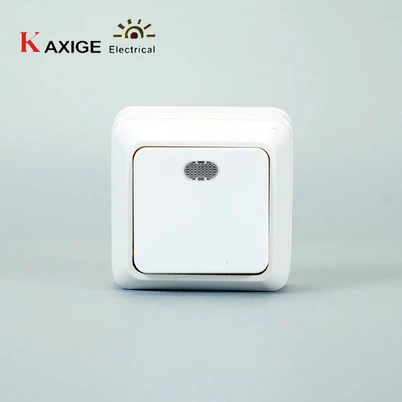
As an AC dimmer switch supplier, we offer a range of products that are specifically designed for use with LED lights. Our 73B 2 Gang Switch is a high - quality dimmer switch that provides smooth and reliable dimming performance for LED lights. It features advanced trailing - edge technology, which ensures compatibility with most LED drivers.
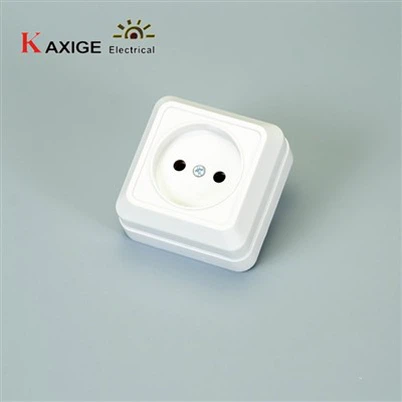
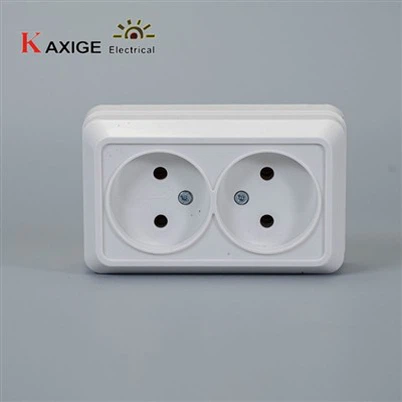
In addition, our 73B 1 Gang Socket Grounding and 73B 2 Gang Sockets Grounding are not only suitable for powering LED lights but also provide a safe and stable electrical connection.
Contact Us for Purchase and Consultation
If you are interested in our AC dimmer switches or have any questions about using them with LED lights, we encourage you to contact us. Our team of experts is ready to provide you with detailed information and guidance on choosing the right products for your specific needs. Whether you are a homeowner looking to upgrade your lighting system or a professional in the construction or lighting industry, we can offer the solutions you need.
References
- "LED Lighting Handbook" by John Doe
- "Dimming Technology for Lighting Systems" by Jane Smith
- Manufacturer's specifications of various LED lights and dimmer switches