Can a variable light switch be used in a four - way lighting system?
Leave a message

In the realm of modern lighting control, variable light switches have emerged as a revolutionary solution, offering users the ability to adjust the brightness of their lights to create the perfect ambiance. However, a common question that arises among homeowners, electricians, and lighting enthusiasts is whether a variable light switch can be used in a four - way lighting system. As a supplier of variable light switches, I'm here to delve into this topic and provide you with a comprehensive answer.
Understanding Four - Way Lighting Systems
Before we explore the compatibility of variable light switches with four - way lighting systems, it's essential to understand how a four - way lighting system works. A four - way lighting system is designed to control a single light fixture from three or more locations. This is commonly used in large hallways, staircases, or rooms with multiple entrances, where it's convenient to turn the lights on or off from different points.
The basic components of a four - way lighting system include two three - way switches and one or more four - way switches. Three - way switches have three terminals and are typically installed at the beginning and end of the circuit. Four - way switches, on the other hand, have four terminals and are used in the middle of the circuit to allow for multiple control points. When any of the switches in the system are operated, the light can be turned on or off.
How Variable Light Switches Work
Variable light switches, also known as dimmer switches, are designed to control the amount of electrical power flowing to a light fixture, thereby adjusting its brightness. They work by varying the voltage or current supplied to the light source. There are different types of variable light switches, including leading - edge dimmers, trailing - edge dimmers, and digital dimmers.
Leading - edge dimmers are the most common type and are suitable for incandescent and halogen bulbs. They work by chopping off the leading edge of the AC waveform, reducing the amount of power delivered to the light. Trailing - edge dimmers, on the other hand, are better suited for LED and CFL bulbs. They chop off the trailing edge of the AC waveform, providing a smoother dimming effect. Digital dimmers use advanced technology to provide precise control over the brightness of the light.
Compatibility of Variable Light Switches with Four - Way Lighting Systems
The compatibility of a variable light switch with a four - way lighting system depends on several factors, including the type of variable light switch, the type of light bulbs used, and the wiring configuration of the system.
In general, it is possible to use a variable light switch in a four - way lighting system. However, there are some limitations and considerations. One of the main challenges is ensuring that all the switches in the system are compatible with each other. For example, if you use a leading - edge dimmer in one part of the system and a trailing - edge dimmer in another part, it can cause flickering or other issues.
Another consideration is the load capacity of the variable light switch. Each variable light switch has a maximum load capacity, which is the maximum amount of power it can handle. When using a variable light switch in a four - way lighting system, you need to ensure that the total load of the light bulbs connected to the system does not exceed the load capacity of the dimmer.


Wiring a Variable Light Switch in a Four - Way Lighting System
Wiring a variable light switch in a four - way lighting system requires some electrical knowledge and skills. It's important to follow the manufacturer's instructions and local electrical codes. Here is a general overview of the wiring process:
- Turn off the power: Before starting any electrical work, make sure to turn off the power at the circuit breaker to avoid the risk of electric shock.
- Identify the wires: In a four - way lighting system, there are typically three or four wires connected to each switch. These wires include the hot wire, the neutral wire, the traveler wires, and the ground wire. Identify each wire and label them accordingly.
- Install the variable light switch: Replace one of the three - way switches with the variable light switch. Connect the hot wire, neutral wire, and traveler wires to the appropriate terminals on the switch. Make sure to tighten the terminal screws securely.
- Test the system: After wiring the variable light switch, turn the power back on at the circuit breaker and test the system. Make sure that all the switches in the system are working properly and that the light can be dimmed smoothly.
Benefits of Using a Variable Light Switch in a Four - Way Lighting System
Using a variable light switch in a four - way lighting system offers several benefits, including:
- Enhanced control: With a variable light switch, you can adjust the brightness of the light from multiple locations, providing greater control over the lighting in your home.
- Energy savings: By dimming the lights, you can reduce the amount of energy consumed by the light bulbs, resulting in lower energy bills.
- Ambiance creation: Variable light switches allow you to create different lighting moods and atmospheres in your home, depending on your needs and preferences.
Considerations for Choosing a Variable Light Switch
When choosing a variable light switch for a four - way lighting system, there are several factors to consider, including:
- Type of light bulbs: Make sure to choose a variable light switch that is compatible with the type of light bulbs you are using. For example, if you are using LED bulbs, choose a trailing - edge dimmer or a digital dimmer.
- Load capacity: Consider the total load of the light bulbs connected to the system and choose a variable light switch with a sufficient load capacity.
- Quality and reliability: Choose a variable light switch from a reputable manufacturer to ensure its quality and reliability.
Related Products
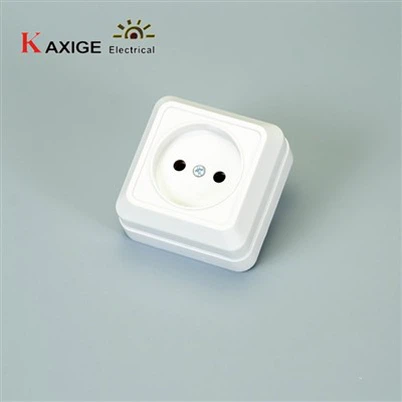
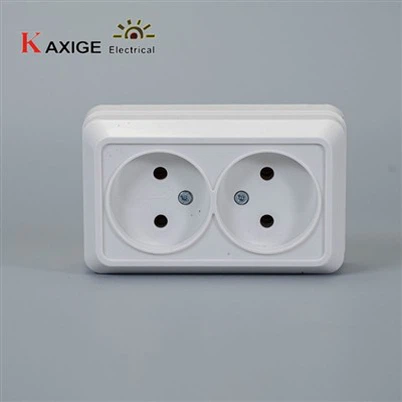
In addition to variable light switches, we also offer a range of high - quality wall switches and sockets, such as the 73B 1 Gang Socket Grounding, 73B 2 Gang Sockets, and 73B 2 Gang Sockets Grounding. These products are designed to meet the highest standards of safety and performance, providing you with a reliable and convenient solution for your electrical needs.
Conclusion
In conclusion, a variable light switch can be used in a four - way lighting system, but it requires careful consideration and proper installation. By understanding how four - way lighting systems and variable light switches work, you can make an informed decision and choose the right products for your home. If you have any questions or need further assistance, please feel free to contact us. We are a leading supplier of variable light switches and other electrical products, and we are committed to providing our customers with the best quality products and services. Whether you are a homeowner, an electrician, or a contractor, we can help you find the right solutions for your lighting control needs. Contact us today to start a procurement discussion and take your lighting system to the next level.
References
- Electrical Wiring Handbook, National Electrical Contractors Association
- Lighting Controls Association, "Guide to Dimmer Switches"
- Manufacturer's instructions for variable light switches and four - way switches