Are there any code requirements for installing an AC dimmer switch?
Leave a message

Are there any code requirements for installing an AC dimmer switch?
As a supplier of AC dimmer switches, I often encounter questions from customers regarding the code requirements for installing these devices. In this blog post, I'll delve into the various aspects of code requirements, providing you with a comprehensive understanding to ensure a safe and compliant installation.
Electrical Codes and Standards
Electrical codes are established to safeguard the public from electrical hazards such as fires, shocks, and electrocution. These codes are developed by national and local authorities and are regularly updated to reflect the latest safety practices and technological advancements. In the United States, the National Electrical Code (NEC) is the primary standard for electrical installations. It provides detailed guidelines on all aspects of electrical work, including the installation of dimmer switches.
When it comes to AC dimmer switches, the NEC has specific requirements that must be followed. For instance, dimmer switches must be installed in accordance with the manufacturer's instructions. This includes proper wiring, grounding, and mounting. The NEC also mandates that dimmer switches be rated for the specific type of load they will control, such as incandescent, LED, or fluorescent lights. Using a dimmer switch with an incompatible load can lead to overheating, premature failure, or even a fire hazard.
Local Regulations
In addition to national codes, local regulations may also impose specific requirements for the installation of AC dimmer switches. These regulations can vary widely from one jurisdiction to another, so it's crucial to check with your local building department or electrical inspector before beginning any installation work. Some local codes may require additional permits or inspections for electrical work, while others may have specific requirements for the type of dimmer switch that can be used in certain applications.
For example, in some areas, there may be restrictions on the use of dimmer switches in wet or damp locations, such as bathrooms or outdoor areas. In these cases, you'll need to use a dimmer switch that is specifically designed for use in these environments and is rated for moisture resistance. Failure to comply with local regulations can result in fines, delays in your project, or even the need to redo the installation.
Safety Considerations
Safety should always be the top priority when installing an AC dimmer switch. Before you start any work, make sure to turn off the power to the circuit at the breaker box. Use a voltage tester to confirm that the power is off before touching any wires. When wiring the dimmer switch, follow the color-coding conventions for electrical wires. Typically, black wires are hot, white wires are neutral, and green or bare copper wires are ground.
It's also important to ensure that the dimmer switch is properly grounded. Grounding helps to protect against electrical shocks by providing a path for electrical current to flow safely to the ground in the event of a fault. Make sure to connect the ground wire from the dimmer switch to the grounding system in your electrical panel.
Compatibility with Lighting Fixtures
One of the most critical factors to consider when installing an AC dimmer switch is its compatibility with your lighting fixtures. Different types of lighting fixtures have different electrical characteristics, and not all dimmer switches are suitable for all types of lights.
- Incandescent Lights: Incandescent lights are the most common type of light used with dimmer switches. They are relatively easy to dim because they operate on a simple resistive load. Most standard dimmer switches are designed to work with incandescent lights.
- LED Lights: LED lights are becoming increasingly popular due to their energy efficiency and long lifespan. However, not all LED lights are dimmable, and those that are require a special dimmer switch designed for LED loads. These dimmer switches are often referred to as "LED dimmers" and are specifically engineered to work with the low-voltage, high-frequency characteristics of LED lighting.
- Fluorescent Lights: Fluorescent lights are more complex to dim than incandescent or LED lights. They require a special type of dimmer switch called a "ballast dimmer" that is designed to work with the ballast in the fluorescent fixture.
Our Product Range
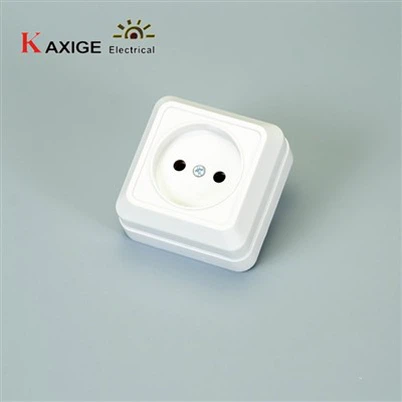
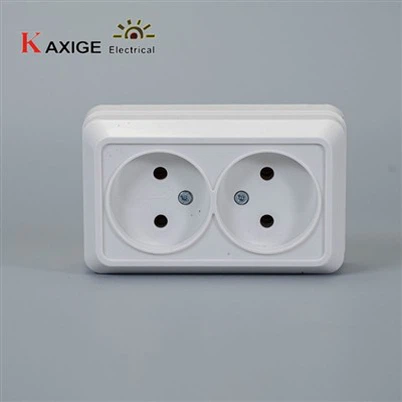
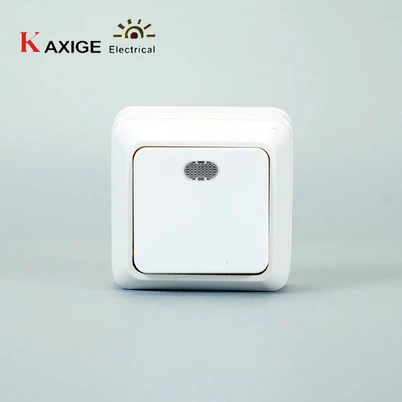
As a supplier of AC dimmer switches, we offer a wide range of products to meet the diverse needs of our customers. Our dimmer switches are designed to be easy to install, reliable, and compatible with a variety of lighting fixtures. In addition to our dimmer switches, we also offer a range of other electrical products, such as 73B 2 Gang Sockets, 73B 2 Gang Switch with Lamp Indicator, and 73B 1 Gang Switch with Lamp Indicator.
Our team of experts is always available to provide you with technical support and advice on the best products for your specific application. Whether you're a professional electrician or a DIY enthusiast, we can help you find the right dimmer switch for your needs.
Contact Us for Procurement
If you're interested in purchasing our AC dimmer switches or any of our other electrical products, we invite you to contact us for procurement. Our sales team will be happy to assist you with your order and answer any questions you may have. We offer competitive prices, high-quality products, and excellent customer service. Don't hesitate to reach out to us to discuss your requirements and explore the possibilities of working together.


References
- National Fire Protection Association. (2020). National Electrical Code (NEC).
- Local building codes and regulations.
- Manufacturer's installation instructions for AC dimmer switches.