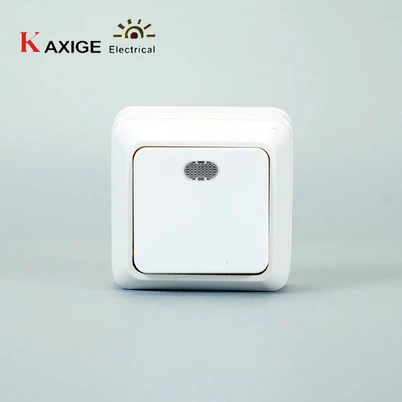
Unassuming Electric Plugs & Pin Plugs: Hidden Fire Hazards At Home!
Leave a message
Recently, a sudden fire broke out in the kitchen of a resident's home. When fire rescue personnel arrived quickly, the kitchen was already filled with thick smoke and the fire continued to spread. Investigation confirmed that the fire started from an electric plug on the kitchen wall, caused by a short circuit in the electrical wiring. Fortunately, the resident was not at home at the time, so no casualties were reported, but the property loss including kitchen cabinets and various electrical appliances exceeded 5,000 yuan.
Why do these small electric plugs and pin plugs frequently become the "fuse" of fires? There are five core reasons behind it:

Aging Wires: After long-term use, the insulation layer of the wires of sockets or electrical appliances is damaged, greatly increasing the risk of short circuits.

Improper Use: Illegal use of multi-plug adapters, poor contact between plugs and jacks, and other operations may cause circuit failures.

Environmental Impact: Using ordinary plugs in humid environments such as kitchens and bathrooms, water vapor intrusion is likely to cause short circuits.
Home Electrical Safety Guide: Small Details Protect Big Safety.
To avoid similar fire accidents, residents must keep the following safety guidelines in mind and eliminate hazards from the source:
Regular Inspection:Quarterly "Safety Checkup": Check if the jacks of the electric plug are blackened or ablated, and if the plug is loose when inserted; check if the power cord of the pin plug is cracked or damaged, and if the surface is abnormally hot during use; avoid using electrical appliances with damaged plugs or aging power cords.
Reasonable Allocation: Avoid "Clustering" of High-Power Appliances: Do not insert multiple high-power electrical appliances into one socket at the same time, and try to use them separately; use waterproof plugs in humid environments to prevent water vapor from entering and causing short circuits.
Standard Placement: Stay Away from "Dangerous Areas": Do not place plugs on or under combustible materials such as sofas, beds, and carpets; avoid placing power strips on the ground to prevent being soaked by water or covered by debris; when moving the power strip, hold the main body and move it gently to avoid damaging the internal wiring.
Choose Qualified Products: Reject Inferior Risks: When purchasing plugs, be sure to choose products with formal certifications such as 3C and CE, and do not choose low-quality products without safety guarantees for the sake of low prices.
Stay Calm in Case of Fire:Dispose Scientifically: If an electric plug or pin plug catches fire, turn off the main power switch immediately to prevent the fire from spreading; if the fire is small, use a dry powder fire extinguisher or carbon dioxide fire extinguisher to put it out; if the fire is uncontrollable, evacuate the scene immediately and call 119 to report the fire.